
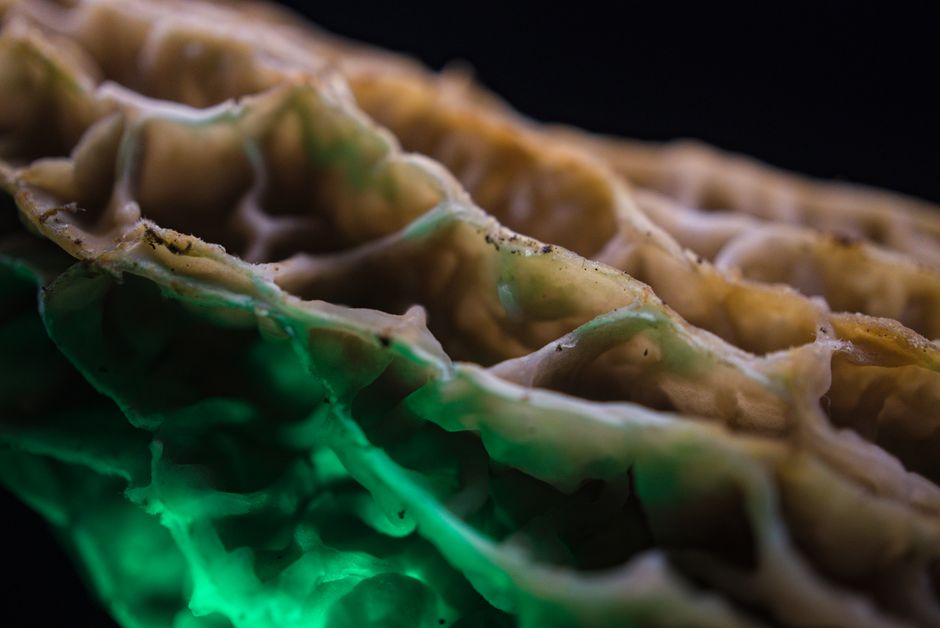
The landscape of luxury fashion is undergoing a radical metamorphosis. For decades, the gold standard for high-end accessories and garments was defined by traditional bovine leather—a material prized for its durability, tactile depth, and status. However, as the global fashion industry faces mounting pressure to address its environmental footprint, the narrative around prestige is shifting. Today, the most coveted material in the ateliers of Paris and Milan is no longer a product of animal agriculture or petroleum-based synthetics, but rather the result of sophisticated biotechnology: mycelium. This subterranean network of fungi is currently spearheading a quiet revolution, turning the concept of mushroom fashion from a niche, experimental curiosity into a cornerstone of sustainable luxury.
The Science of Subterranean Luxury
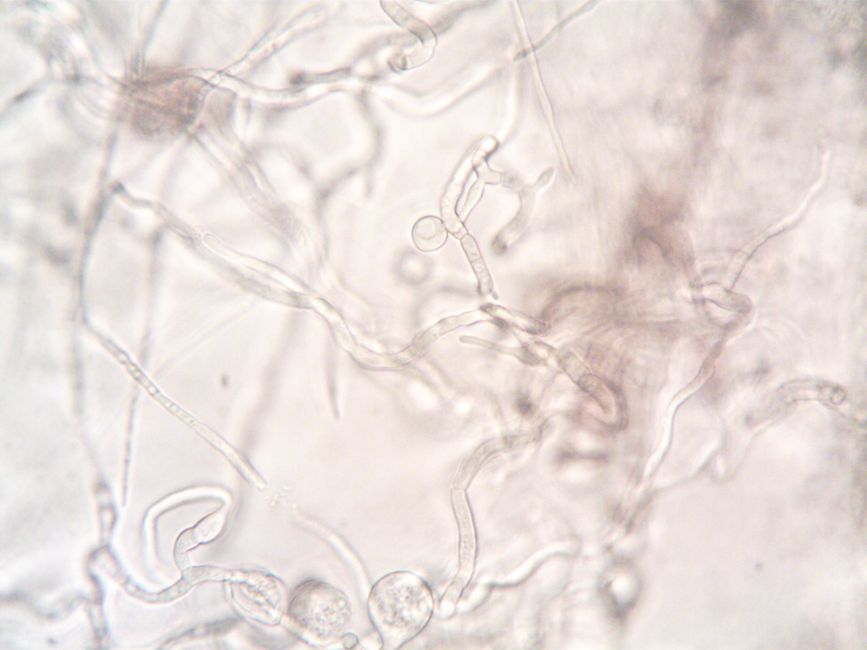
To understand the rise of mushroom leather, one must first appreciate the biological marvel that is mycelium. Mycelium is the vegetative part of a fungus, consisting of a mass of branching, thread-like hyphae. In nature, it acts as the earth’s primary decomposer, weaving through soil and organic matter to create complex, robust structures. Biotechnology companies have harnessed this natural growth process to create high-performance textiles.
How to make mycelium leather
The process of creating leather from mushroom roots is a masterclass in bio-fabrication. It begins by placing mycelium spores in a controlled environment, often fed by agricultural byproducts like sawdust or hemp stalks. As the fungi consume these nutrients, they grow into a thick, dense mat. Unlike animal husbandry, which requires vast amounts of water, land, and time, mycelium can be grown in vertical indoor farms, requiring no light and reaching maturity in a matter of days or weeks.
Once the desired thickness and density are achieved, the material is harvested and processed. Through specialized tanning techniques—often utilizing non-toxic, bio-based agents—the material gains the strength, suppleness, and aesthetic finish of calfskin. The result is a material that is not only vegan and biodegradable but also possesses a unique, sensory quality that designers are finding increasingly difficult to distinguish from traditional hides.
Disrupting the Luxury Supply Chain

The transition toward mushroom textiles is not merely a trend driven by eco-conscious consumers; it is a strategic shift by the world’s most prestigious fashion houses. Leading innovators such as MycoWorks, Bolt Threads, and Ecovative have successfully bridged the gap between lab-grown innovation and luxury craftsmanship. By partnering with major labels, these companies are proving that sustainability does not require a compromise in quality or aesthetic appeal.
The impact of this technology is best exemplified by high-profile collaborations. For instance, Hermès, the epitome of leather-goods luxury, collaborated with MycoWorks to introduce Sylvania, a proprietary material used in the Victoria Voyage travel bag. Similarly, Stella McCartney has been a pioneer in the space, showcasing the Frayme Mylo handbag, which utilizes Bolt Threads’ signature mycelium-based material. These partnerships signal a fundamental change: the luxury industry is moving away from the resource-intensive extraction of the past toward a regenerative, circular future.
Global Adoption and Regional Potential
While the center of mycelium innovation currently resides in Europe and North America, the potential for mycelium leather in South Africa and other emerging fashion markets is immense. South Africa, with its rich agricultural sector and a growing movement toward sustainable design, is uniquely positioned to benefit from this technology. By repurposing local agricultural waste—such as maize stalks or sugarcane bagasse—as a feedstock for mycelium, the region could cultivate a circular fashion economy that supports local artisans while reducing reliance on imported, carbon-heavy leather alternatives.
This localized approach to production could democratize access to high-quality, sustainable materials, allowing independent designers to integrate mycelium fabric clothing into their collections without the prohibitive costs associated with global logistics. As the technology scales, we are likely to see a decentralized production model where mycelium is grown close to the point of design and manufacturing, further minimizing the carbon footprint of each garment.
Comparing Materials: A Snapshot
| Material | Primary Source | Environmental Impact | Key Advantage |
|---|---|---|---|
| Traditional Leather | Animal Hide | High (Land, Water, Methane) | Established Durability |
| Polyurethane (PU) | Petroleum | High (Non-biodegradable) | Cost-effective |
| Mycelium Leather | Fungi | Low (Carbon-sequestering) | Biodegradable & Customizable |
| Pinatex | Pineapple Waste | Low | Upcycling focus |
Frequently Asked Questions
Is mushroom leather as durable as animal leather?
Yes. Through advanced bio-engineering, companies like MycoWorks and Ecovative have developed materials that mimic the tensile strength and fiber structure of traditional leather. Ongoing research into self-healing mycelium even suggests that future versions may be more resilient and longer-lasting than conventional options.
Is mycelium leather completely plastic-free?
Most premium mycelium leathers are developed to be biodegradable and plastic-free. However, consumers should always check the specific composition of a product, as some brands may use bio-based coatings to enhance water resistance or finish. As the industry matures, the focus remains firmly on 100% compostable, circular solutions.
How does the cost of mushroom leather compare to luxury animal hide?
Currently, mycelium leather is a premium material due to its artisanal production and the research-heavy nature of its development. As production scales and manufacturing processes are optimized, costs are expected to decrease, eventually making it accessible to a broader range of price points within the fashion market.
Conclusion
The rise of myco-materials marks a pivotal moment in the history of fashion. By looking to the forest floor for inspiration, the industry is finding solutions to some of its most persistent environmental challenges. Mushroom leather is more than just a temporary replacement for animal hide; it is a sophisticated, high-performance medium that challenges our definitions of luxury. As consumers, designers, and manufacturers continue to embrace this bio-based future, we are moving toward a reality where style and sustainability are no longer at odds, but are instead inextricably linked. The future of fashion is not just being designed; it is being grown, and it is undoubtedly rooted in the incredible potential of fungi.