

The fashion industry stands at a critical crossroads, balancing the allure of luxury with the urgent necessity for ecological responsibility. For decades, the leather trade has faced scrutiny over its environmental footprint, water consumption, and ethical implications. Enter the world of fungi: a biological powerhouse that is rapidly transforming from a culinary staple into the foundation of a material revolution. Mycelium, the root structure of mushrooms, has emerged as the most promising alternative to traditional animal hides, offering a versatile, scalable, and truly sustainable solution for designers and consumers alike.
The Science of Mycelium: From Spores to Style
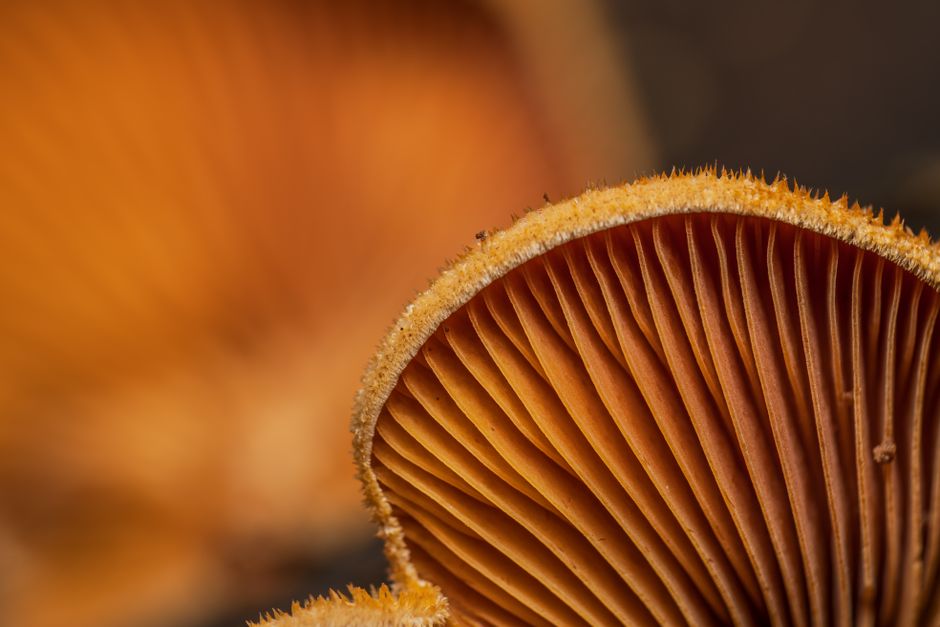
At its core, mycelium is a vast, subterranean network of thread-like filaments known as hyphae. In nature, these organisms act as the planet’s primary decomposers, breaking down organic matter and recycling nutrients back into the soil. In a controlled laboratory setting, this natural growth process is harnessed to create high-performance materials. By feeding agricultural byproducts to fungal cultures, manufacturers can “grow” dense, interlocking mats of mycelium. These mats are then harvested, processed, and tanned using green chemistry to produce a material that mimics the tactile qualities of leather.
The efficiency of this process is staggering. While traditional bovine leather requires years of raising livestock—involving immense land use, water consumption, and methane emissions—mycelium can be cultivated in a matter of days or weeks. Because the growth conditions are highly controlled, the resulting material is remarkably consistent in quality, allowing for precise design specifications without the natural irregularities often found in animal skins.
Beyond Apparel: The Mycelium Ecosystem
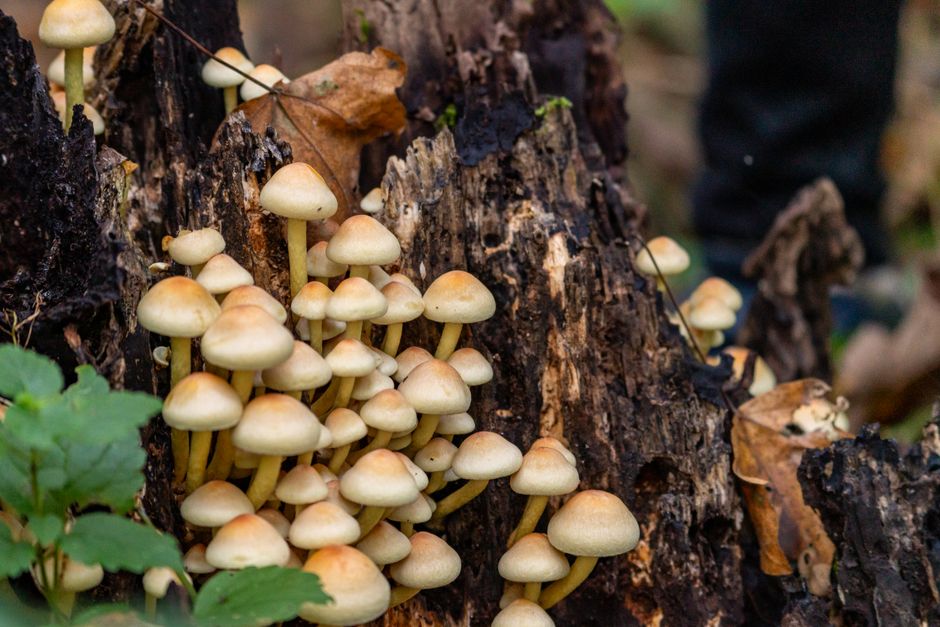
While the fashion industry has captured the spotlight, the reach of fungal innovation extends far beyond high-end handbags and footwear. The versatility of mycelium has led to a broader movement toward [circular](https://t10family.com/en/circular-fashion-transforming-textile-waste-into-luxury/) design. As we ask, is mycelium fungus the plastic of the future, the answer becomes increasingly clear: it possesses the structural integrity to replace many of our most persistent environmental pollutants.
Mycelium Furniture and Interior Design
In the realm of architecture and home decor, mycelium furniture is challenging the dominance of synthetic resins and particle boards. Designers are now growing lamps, chairs, and acoustic panels that are not only aesthetically unique—often resembling a refined, organic mushroom drawing brought to life—but also entirely compostable at the end of their lifecycle. These pieces prove that longevity and biodegradability are not mutually exclusive.
The Logistics Revolution
Perhaps the most immediate impact of fungal technology is found in shipping. Ecovative Mushroom Packaging has pioneered the use of mycelium to create protective, custom-molded shipping buffers that replace expanded polystyrene (Styrofoam). These mycelium packaging solutions offer the same shock absorption as plastic foams but break down in a garden compost bin within weeks. By integrating mycelium products into the supply chain, companies are drastically reducing the volume of non-recyclable waste entering landfills.
The Luxury Shift: Adopting Mushroom Leather
The transition toward mycelium in fashion is no longer a fringe experiment. Major luxury houses, including Hermès and Stella McCartney, have integrated these materials into their collections, signaling a paradigm shift in how we define “premium.” These brands are not merely substituting materials; they are redefining luxury to include environmental stewardship as a core value. Mushroom-derived textiles offer a luxury aesthetic—supple, durable, and capable of being embossed or dyed—without the ethical baggage of conventional leather.
| Feature | Traditional Leather | Mycelium Leather |
|---|---|---|
| Production Time | Years (Animal Growth) | Days/Weeks |
| Water Usage | Extremely High | Very Low |
| Carbon Footprint | High (Methane/Processing) | Carbon-Neutral Potential |
| Biodegradability | Low (Due to Tanning) | High |
Frequently Asked Questions
What are the downsides of mushroom leather?
While the technology is advancing rapidly, there are still challenges to overcome. Scaling production to meet the massive demand of global fashion brands requires significant investment in infrastructure. Furthermore, while the base material is sustainable, some early iterations of mycelium leather required thin coatings of polyurethane to ensure water resistance and durability, which can affect the overall biodegradability of the final product. Researchers are currently working on bio-based coatings to ensure the entire accessory remains circular.
Which brands are using mushroom leather?
The list of companies embracing this technology is growing monthly. Stella McCartney has been a vocal pioneer, debuting luxury bags made from Mylo, a mycelium-based material. Hermès partnered with MycoWorks to create a version of their iconic Victoria bag using Reishi, a high-quality mycelium. Additionally, forward-thinking brands like Adidas and various independent sustainable fashion labels are integrating these materials into their footwear and accessory lines.
What mushroom has 23,000 genders?
The fungus in question is Schizophyllum commune, commonly known as the split gill mushroom. It is famous in the biological community for its complex mating system. Unlike humans, who typically have two biological sexes, this species possesses over 23,000 different mating types. This immense genetic diversity allows the fungus to be highly adaptive, a trait that researchers find fascinating as they look for new ways to cultivate fungi for industrial applications.
Are there any shoes made from mushroom leather?
Yes, several footwear brands have successfully introduced shoes made from mycelium. Because the material is highly durable and can be engineered for breathability and flexibility, it is an ideal candidate for sneakers and dress shoes. Companies like Adidas have explored mycelium in their concept footwear, and smaller, eco-conscious brands are beginning to offer commercial lines of mushroom-based sneakers that prioritize both style and performance.
Conclusion: Cultivating a Greener Future
The rise of mycelium represents more than just a passing trend in the fashion world; it is a fundamental shift in how we interact with the natural world. By looking to the forest floor for inspiration, designers and engineers are proving that we do not need to exploit finite resources to create beautiful, functional, and durable goods. Whether through the structural complexity of mycelium furniture, the practicality of mycelium packaging, or the elegance of mushroom leather accessories, we are witnessing the dawn of a bio-fabricated era. As production scales and technology continues to refine, the question of whether mushrooms can replace traditional plastics and hides is being answered with a resounding yes. The future of fashion is not just sustainable—it is alive, growing, and waiting to be harvested.