
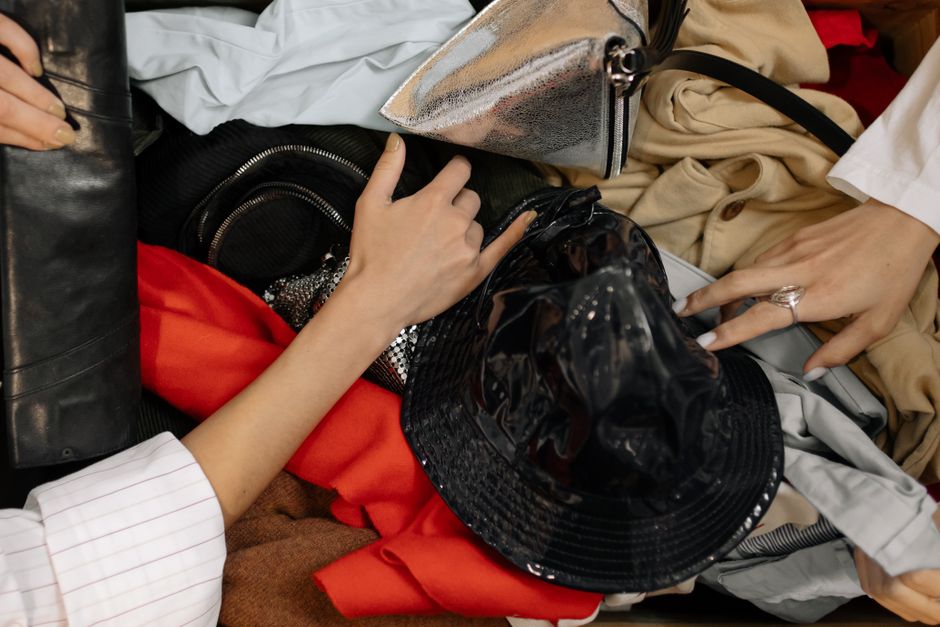
The luxury fashion industry is currently undergoing a radical metamorphosis. For centuries, the sector has relied on traditional, resource-intensive sourcing methods, often prioritizing heritage and scarcity over planetary health. However, a new wave of innovation is shifting the paradigm: bio-fabrication. By harnessing the power of microorganisms—including yeast, fungi, and bacteria—scientists and designers are now creating high-end textiles that are literally grown rather than manufactured. This move toward biological intelligence is not merely a trend; it is a fundamental disruption of how we conceive of luxury, quality, and the future of our wardrobes.
The Science Behind the Shift

At its core, bio-fabrication is the process of using living systems to manufacture commercial products. Unlike synthetic materials derived from fossil fuels, these biomaterials in fashion are cultivated in controlled environments. By feeding nutrients to specific microbes, manufacturers can program them to secrete proteins or structural fibers that mimic the performance and texture of traditional animal-based products.
From Lab to Luxury
The transition from experimental prototypes to luxury retail has been swift. Major fashion houses, recognizing that the future of their businesses depends on supply chain resilience, are forming strategic alliances with biotech innovators. Brands such as Hermès and Stella McCartney have already integrated grown materials into their collections, demonstrating that sustainability does not require a sacrifice in aesthetic or tactile quality. These partnerships are critical, as they provide the scale and investment necessary to move bio-materials from niche concepts to mainstream luxury staples.
Key Innovations in Bio-Fabrication
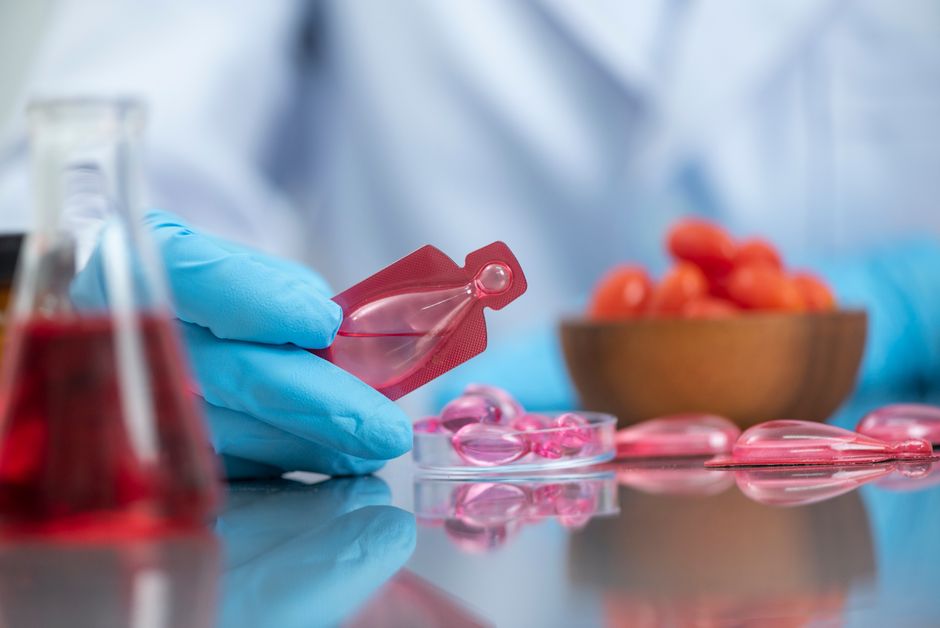
The current landscape of bio materials examples is diverse, ranging from mycelium-based skins to lab-grown spider silk. These materials are designed to address the environmental footprint of traditional livestock-based leather and fiber production, which are notorious for high water usage, land degradation, and carbon emissions.
| Material Type | Biological Source | Luxury Application |
|---|---|---|
| Mycelium | Fungal Root Structures | Handbags, Footwear, Upholstery |
| Lab-Grown Collagen | Yeast/Bacteria Fermentation | High-End Leather Alternatives |
| Algal Polymers | Seaweed/Microalgae | Biodegradable Coatings/Textiles |
| Cellulose Fiber | Bacterial Cellulose | Silk-like Apparel |
Environmental Advantages of Grown Fabrics
The primary driver for the adoption of these fabrics is the quantifiable reduction in environmental impact. Traditional leather production involves intensive animal husbandry, which requires vast tracts of land and significant water resources. In contrast, bio-fabrication utilizes fermentation processes that can be housed in vertical, urban facilities. This decentralized production model drastically cuts the carbon footprint associated with global supply chains. According to the latest Biofabricate report, the efficiency gains achieved through biological engineering represent the most viable path toward a circular fashion economy.
Challenges and the Path to Scalability
While the potential is immense, the industry faces significant hurdles. Scaling production to meet the demands of global luxury houses requires immense capital expenditure and process optimization. Furthermore, the based chemistry of these new materials must be rigorously tested for durability, breathability, and aging characteristics to ensure they meet the rigorous standards of luxury consumers who expect products to last for generations.
The Role of Design and Aesthetics
Luxury is defined by its sensory experience. The success of bio-materials hinges on their ability to replicate the “hand-feel” and patina of traditional leather. As researchers refine the molecular structure of these materials, they are discovering that they can actually improve upon natural fibers. By adjusting the growth conditions, scientists can create materials that are lighter, stronger, or more water-resistant than their animal-derived counterparts, providing designers with a new palette of performance capabilities.
Frequently Asked Questions
Is it true that 85% of all textiles go to dumps each year?
While industry estimates vary, reports from organizations like the UNEP suggest that a staggering percentage of textiles end up in landfills or are incinerated annually. This is largely due to the prevalence of fast fashion and the difficulty of recycling blended fibers. Bio-fabrication seeks to solve this by creating materials that are either inherently biodegradable or designed for easier disassembly and circularity.
What is the unhealthiest fabric to wear?
Many dermatologists and environmentalists point to synthetic, petroleum-based plastics like virgin polyester, nylon, and acrylic as potentially problematic. These materials are often treated with toxic chemicals during the dyeing and finishing processes. Furthermore, they are not breathable and can contribute to skin irritation, while also shedding microplastics into the water system every time they are laundered.
What are the 12 technologies that are changing the fashion industry?
The transformation of fashion is being driven by a convergence of technologies. These include 3D knitting, digital design software, blockchain for transparency, AI-driven demand forecasting, laser finishing for denim, chemical recycling, molecular fiber engineering, advanced fermentation (bio-fabrication), automated sewing robotics, carbon-capture fiber production, waterless dyeing technologies, and on-demand manufacturing platforms.
Which luxury brand is most ethical?
Ethical standing in the luxury sector is complex and often depends on the specific metrics used. Brands like Stella McCartney have long been leaders in animal welfare and sustainable material innovation. Others, like Patagonia in the outdoor space, set the gold standard for supply chain transparency. Many luxury conglomerates are now undergoing rigorous third-party audits to improve their scores, but “most ethical” remains a moving target as sustainability standards continue to evolve.
Conclusion
The rise of bio-fabrication represents a profound shift in the relationship between nature and high fashion. By moving away from extractive practices and embracing a model where materials are grown, the industry is entering a new frontier of innovation. This transition is not just about replacing one leather with another; it is about rethinking the entire lifecycle of a product. As we look toward the future, the convergence of biology and design will likely define the next century of luxury. Those brands that successfully integrate these sophisticated, lab-grown solutions will not only lead the market in sustainability but will also define the new aesthetic of a more conscious, high-performance era of fashion.