
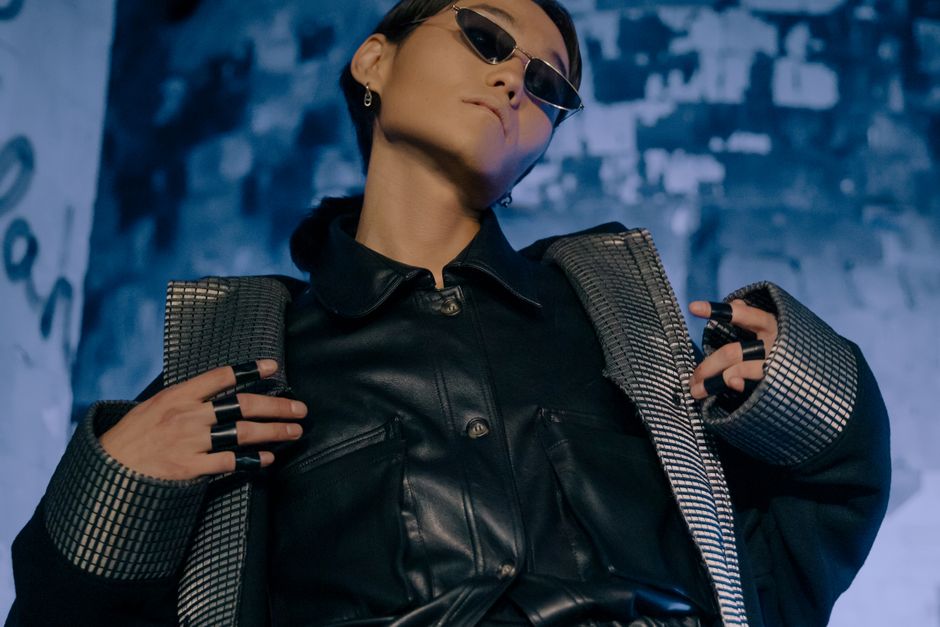
For centuries, the tactile elegance of leather has served as the bedrock of luxury fashion, symbolizing durability, status, and timeless craftsmanship. Yet, as the global fashion industry faces a reckoning regarding its environmental footprint and ethical transparency, the traditional supply chain is undergoing a radical transformation. We are entering an era where the material of the future is not harvested from the pasture, but cultivated in the laboratory. By merging biotechnology with high-end design, the industry is moving beyond mere synthetic alternatives toward a new paradigm of grown leather and bio-designed textiles, promising a future where luxury is as circular as it is sophisticated.
The Evolution of Materiality: Why Bio-Leather is Changing the Game

The traditional leather industry, valued at over 586 billion dollars, is currently navigating a period of intense pressure. Regulatory shifts, particularly within the European Union, are pushing brands toward radical circularity and supply chain accountability. Simultaneously, the inherent resource intensity of animal agriculture—including massive water consumption and carbon emissions—has prompted a search for high-performance alternatives that do not sacrifice the sensory qualities that luxury consumers demand.
Lab-grown leather represents a major evolution in this landscape. Unlike plastic-based “vegan” leathers that rely on polyurethane or PVC, true bio-leather is engineered at the cellular level or derived from biological structures like mycelium. This is not just a replacement; it is an upgrade. By utilizing proprietary, patented processes, companies like Faircraft are proving that it is possible to replicate the collagen structure of animal hides in a controlled environment. The results are striking: these materials can reduce carbon dioxide emissions by 90 percent, waste by 95 percent, and water usage by 80 percent compared to conventional leather production.
The Mycelium Revolution
Among the most promising innovations is [the rise of](https://t10family.com/en/the-rise-of-gender-neutral-grooming-a-new-era-of-beauty/) mycelium-based textiles. Grown from the root systems of fungi, mycelium offers a unique combination of versatility and sustainability. In 2026, these materials are finally reaching industrial scale, moving from experimental runway pieces to viable, high-quality components for luxury goods. Mycelium is inherently biodegradable, lightweight, and capable of being grown into specific shapes, which drastically reduces cutting waste—a perennial problem in traditional leather goods manufacturing.
Beyond Leather: The Convergence of Tech and Tactility
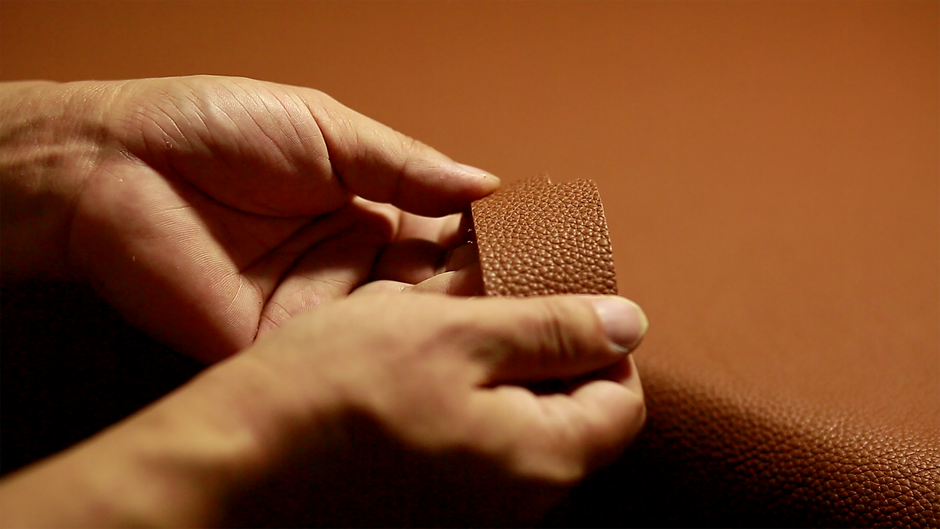
The future of luxury fashion is defined by a shift toward what researchers call “Ultra Smart” textiles. As the industry moves past the era of “quiet luxury,” consumer demand is gravitating toward tactile richness. We are seeing a surge in interest for complex textures—tulle, sequins, and heavy, structured fabrics—that pair perfectly with the new wave of engineered materials. The innovation does not stop at the surface; the underlying technology is becoming increasingly sophisticated.
The smart textile market, currently valued at approximately 9.61 billion dollars, is pioneering fabrics that transcend the limitations of natural fibers. We are now seeing materials capable of harvesting energy from human movement, actively regulating body temperature, and even self-healing small tears without human intervention. This intersection of biotech and smart-tech is creating a new category of luxury product: one that is not only ethically produced but functionally superior to anything that has come before it.
Strategic Pillars for the Modern Luxury Brand
For high-end fashion houses, adopting these technologies is no longer a marketing gimmick; it is a strategic necessity. Brands that integrate lab-grown and bio-based materials are positioning themselves to meet upcoming regulatory requirements while appealing to a demographic that equates sustainability with quality. The following table outlines the transition from traditional to next-generation material strategies:
| Feature | Traditional Leather | Bio-Engineered Leather | Smart Textiles |
|---|---|---|---|
| Production Source | Animal Agriculture | Cellular Cultivation/Fungi | Synthetic/Bio-hybrid |
| Environmental Impact | High (Water/CO2) | Low (Minimal waste) | Variable (Focus on circularity) |
| Scalability | Established/Limited | Scaling rapidly (2026+) | Growth stage |
| Primary Benefit | Heritage/Tradition | Ethical/Sustainable | Functional/Performance |
Addressing the Challenges of Scalability and Cost
While the potential for lab-grown leather and bio-fabrics is immense, the industry remains in a transition period. A primary hurdle for mass-market adoption has historically been the cost of production. However, as biotech companies scale their manufacturing processes, the goal of achieving price parity with industry-standard leather is rapidly becoming a reality. The luxury sector, with its higher price points and focus on innovation, serves as the perfect testing ground for these technologies.
Furthermore, the integration of AI-driven design and 3D sampling is allowing brands to iterate these new materials faster than ever. By simulating how bio-leather drapes and wears before a single meter is grown, designers can optimize production, minimize material waste, and ensure that the final product meets the exacting standards of luxury consumers. This digital-to-physical workflow is essential for ensuring that sustainability does not come at the expense of design excellence.
Frequently Asked Questions
Is lab-grown leather truly identical to animal leather?
Lab-grown leather is designed to replicate the collagen structure and performance characteristics of animal hide. By utilizing cellular agriculture, producers can create a material that possesses the same tactile richness, durability, and aging characteristics as traditional leather, while offering significantly better control over the consistency and quality of the final sheet.
How does the environmental footprint of bio-leather compare to synthetic alternatives?
While synthetic “vegan” leathers are often petroleum-based and can contribute to microplastic pollution, bio-based materials like mycelium are derived from natural, renewable resources. They are designed for circularity and biodegradability, meaning they significantly outperform both traditional animal leather and plastic-based synthetic substitutes in long-term environmental assessments.
Will these new textiles replace traditional craftsmanship?
On the contrary, these materials are empowering a new generation of artisans. Designers are finding that bio-engineered materials offer unique possibilities that traditional hides cannot match, such as custom-grown shapes and textures. The future of luxury lies in the marriage of high-tech material science and the human touch, where the artisan uses these innovative canvases to push the boundaries of what is possible in fashion design.
When can we expect these materials to be mainstream?
We are already seeing the early stages of adoption. As of 2026, bio-based materials are moving from pilot phases to industrial-scale production. While high-end luxury houses are currently the primary adopters, the projected growth of this sector suggests that bio-engineered textiles will become a standard offering in premium collections within the next few years.
Conclusion: The New Standard of Luxury
The shift toward lab-grown and bio-engineered textiles marks a defining moment for the fashion industry. By moving away from the resource-intensive practices of the past, designers and manufacturers are reclaiming the narrative of luxury, defining it not just by exclusivity, but by the intelligence and ethics of production. As we look toward the future, the integration of grown leather and smart textiles will continue to blur the lines between nature and technology. For the modern luxury consumer, the most desirable item will be the one that honors the magic of life while ensuring the health of the planet, proving that the most sophisticated fashion is ultimately the most responsible.