
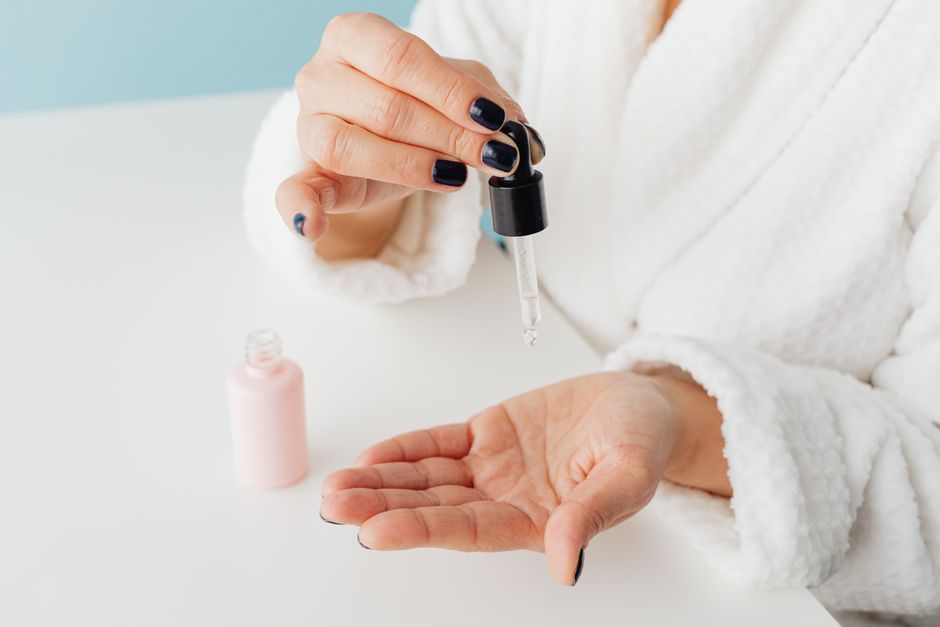
The beauty industry is currently undergoing a paradigm shift, moving away from the “more is more” philosophy toward a more calculated, strategic approach to topical application. At the forefront of this movement is the concept of micro-dosing skincare, a method that emphasizes the controlled, rhythmic application of potent actives to enhance efficacy while minimizing irritation. Among these methodologies, skin cycling has emerged as the gold standard for those looking to optimize their complexion without compromising their skin barrier. By treating your skincare routine like a structured fitness program, you can harness the power of high-performance ingredients while giving your skin the essential downtime it needs to thrive.
Understanding the Mechanics of Skin Cycling
At its core, skin cycling is a strategic, four-night rotation designed to maximize the benefits of active ingredients while preventing the inflammation often associated with over-exfoliation or aggressive retinoid use. The premise is simple: rather than bombarding your skin with multiple actives every single night, you alternate between potent treatments and periods of intentional recovery.
The standard 7 day skin cycling routine is built on a repeating four-night cadence. By breaking the cycle into specific phases, you allow the skin to reap the rewards of cellular turnover and collagen synthesis without the common side effects of redness, flaking, or stinging.
The Four-Night Framework
To master this rhythm, it is essential to understand the purpose of each phase in the cycle. Consistency is the key to success, as this system is designed to build long-term tolerance.
- Night 1: Exfoliation. This phase focuses on removing dead skin cells to reveal a brighter complexion. Using a chemical exfoliant—such as an AHA or BHA—prepares the surface for the treatments that follow.
- Night 2: Retinoid. This is the powerhouse night. Applying a retinoid or skin cycling with tretinoin helps accelerate cell turnover and stimulates collagen production.
- Nights 3 & 4: Recovery. These are the most critical nights. By skipping actives and focusing on hydration and barrier repair, you allow the skin to recover from the previous two nights of stimulation.
Micro-dosing and the Art of Ingredient Timing
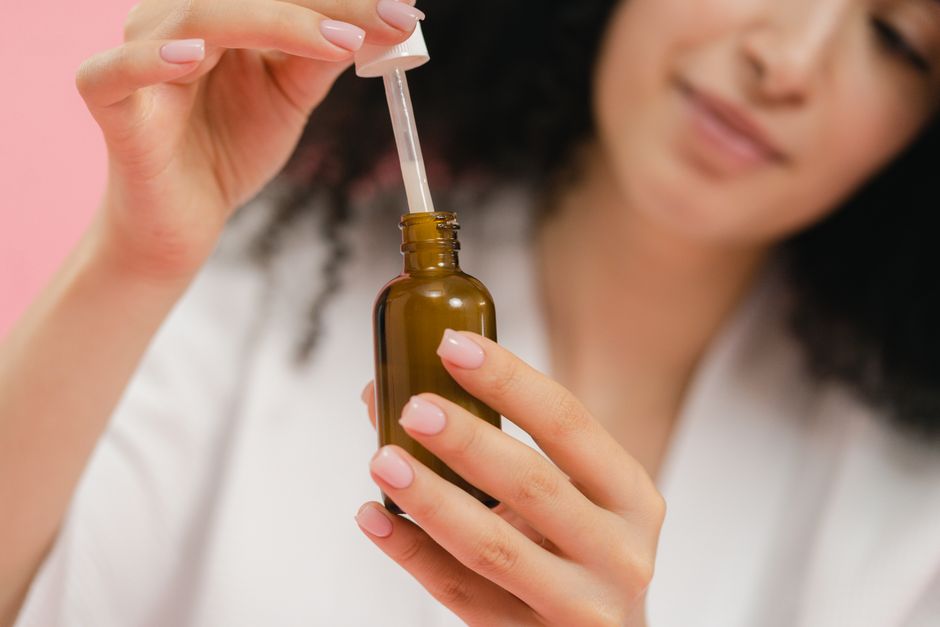
Micro-dosing in skincare is the practice of introducing potent ingredients in a measured, controlled manner. Much like a marathon runner who does not sprint the entire race, your skin requires a pacing strategy to avoid burnout. When you micro-dose, you are essentially teaching your skin to tolerate powerful actives by spacing them out, which is particularly effective for those new to high-concentration products.
Strategic Implementation for Beginners
If you are looking for skin cycling products for beginners, start by auditing your current shelf. You do not need an entirely new wardrobe of products; rather, you need to curate your existing ones. For an accessible entry point, many enthusiasts utilize The Ordinary skin cycling routine, as the brand offers single-ingredient serums that are perfect for this methodical approach. For example, using their Lactic Acid 5% for your exfoliation night and a Granactive Retinoid for your retinoid night provides a gentle introduction to the cycle.
| Night | Goal | Recommended Product Type |
|---|---|---|
| Night 1 | Exfoliate | Glycolic or Lactic Acid serum |
| Night 2 | Treat | Retinol, Retinal, or Tretinoin |
| Night 3 | Recover | Ceramide-rich moisturizer |
| Night 4 | Recover | Hyaluronic acid and occlusive balm |
Does Skin Cycling Work?
The short answer is yes. By implementing a cycling schedule, you are working with your skin’s natural biology rather than against it. When you over-apply actives, you risk damaging the lipid barrier, which can lead to transepidermal water loss and chronic sensitivity. Does skin cycling work for everyone? It is highly effective for those who have previously struggled with retinoid-induced dermatitis or those who feel their skin has hit a plateau with their current routine. By incorporating rest days, you ensure that the actives you do use are working at their peak efficiency rather than fighting against an inflamed, compromised barrier.
Selecting the Right Products
When shopping for skin cycling products, look for formulas that complement your specific skin type. If you have sensitive skin, opt for encapsulated retinol, which releases the active ingredient slowly throughout the night. For your recovery nights, prioritize humectants like glycerin, hyaluronic acid, and barrier-repairing ingredients like ceramides, squalane, and panthenol. The goal is to create a “cushion” of moisture that supports the skin while the actives do the heavy lifting.
Frequently Asked Questions
What works 11 times faster than retinol?
While marketing claims often highlight various “retinol alternatives,” clinical data suggests that bakuchiol is the most notable plant-based alternative. However, it does not technically work “faster” than gold-standard retinoids; rather, it offers similar benefits in terms of collagen production and texture improvement with significantly less irritation, making it an excellent bridge for those unable to tolerate traditional retinoids.
What is the 4-2-4 rule in skincare and what are its benefits?
The 4-2-4 rule is a cleansing method designed to deep-clean the pores. It involves four minutes of massaging with an oil-based cleanser, two minutes with a water-based foaming cleanser, and four minutes of rinsing with lukewarm water. The benefit is a thorough removal of makeup, SPF, and environmental pollutants, which creates a clean canvas for your skin cycling actives to penetrate effectively.
What is the holy grail of anti-aging?
Dermatologists universally agree that the gold standard for anti-aging remains topical retinoids. Whether you use over-the-counter retinol or prescription-strength tretinoin, retinoids are the only ingredients clinically proven to increase cell turnover, thicken the dermis, and stimulate collagen production, making them the cornerstone of any long-term anti-aging strategy.
Does skin cycling actually work?
Yes, skin cycling is highly effective because it prevents the “retinization” period—the phase of peeling and redness—that causes many people to give up on active ingredients. By respecting the skin’s barrier through recovery nights, you ensure that your skin stays healthy and resilient, allowing you to use stronger, more effective percentages of actives over time.
Conclusion
The rise of skin cycling represents a more mature, science-backed approach to beauty. By moving away from the chaotic layering of products and embracing a structured, intentional routine, you allow your skin the space it needs to repair and rejuvenate. Whether you are a skincare novice or a seasoned enthusiast, adopting a 7 day skin cycling routine can fundamentally change how your skin responds to active ingredients. Remember, the goal is not to force your skin into submission, but to guide it toward a healthier, more radiant state through patience, consistency, and the strategic application of the right products at the right time.