

The landscape of men’s grooming is undergoing a silent, structural revolution. For decades, the hallmark of a premium grooming kit was the tactile, rich finish of bovine leather. Today, however, the modern man is increasingly prioritizing the provenance of his goods as much as their utility. Enter the rise of mycelium-based accessories—commonly referred to as mushroom leather. This innovative material is effectively bridging the gap between high-end aesthetics and environmental stewardship, offering a sophisticated alternative to traditional hides without compromising on durability or style.
The Science Behind the Sustainable Shift
To understand why mushroom leather is disrupting the luxury grooming market, one must look at the biology of the fungi kingdom. Mycelium is the root structure of mushrooms, a vast, underground network of thread-like cells. When cultivated in a controlled environment—often using agricultural waste like sawdust or corn stalks—this network can be harvested and processed into a dense, flexible material that mimics the physical properties of animal leather.
Unlike traditional leather, which requires massive amounts of land, water, and chemical processing to treat hides, mycelium-based materials are grown in a matter of weeks. The result is a high-performance textile that is biodegradable, carbon-neutral, and incredibly resilient. For the grooming enthusiast, this means a travel kit that can withstand the rigors of a gym bag or a suitcase while maintaining a premium look and feel.
From Lab to Luxury
The transition from raw biomass to a refined grooming case is a testament to modern material science. Manufacturers can manipulate the density and texture of the mycelium during the growth phase, allowing for a bespoke finish that rivals top-grain leather. Designers are now crafting Dopp kits, razor holders, and toiletry organizers that feel substantial in the hand. This is not merely a synthetic substitute; it is a bio-fabricated material that offers a unique grain and patina, appealing to those who value the intersection of technology and nature.
Why Grooming Kits Are the Perfect Entry Point
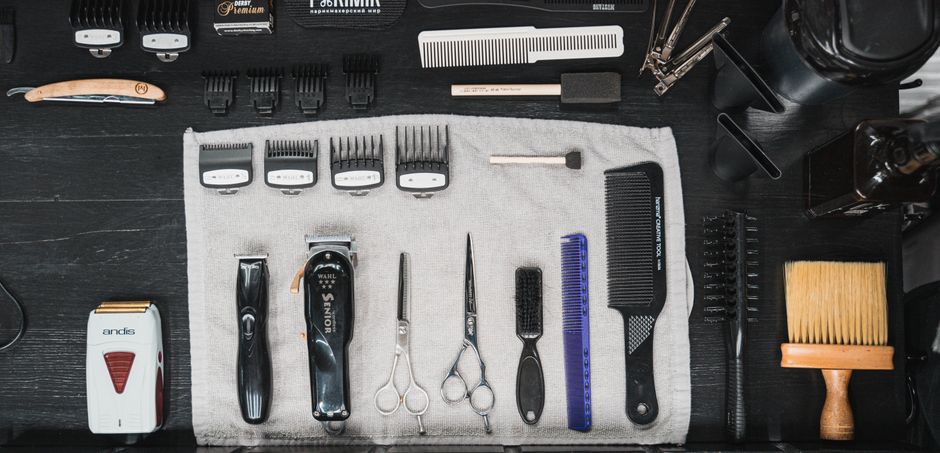
Grooming kits are the ideal application for mushroom leather for several practical reasons. These items are frequently handled, exposed to moisture in bathroom environments, and subjected to the wear and tear of travel. Mycelium materials offer inherent water resistance and are lighter than traditional leather, making them an ergonomic upgrade for the frequent flyer. Furthermore, the aesthetic of mushroom leather—often earthy, matte, and organic—aligns perfectly with the rise of clean, plant-based grooming products.
While the broader public might be more familiar with the viral nature of mushroom videos showcasing the growth process or the novelty of mushroom-based bacon, the material science behind grooming accessories is far more mature. Brands are moving past the experimental phase, delivering products that provide the longevity men expect from their investments.
The Economic and Ethical Landscape
One of the primary drivers of this trend is the consumer desire for transparency. The modern man is asking questions about the supply chain of his personal care items. Is the leather ethically sourced? What is the carbon footprint of the manufacturing process? By choosing mycelium, consumers are opting for a closed-loop system where the raw material is grown rather than raised.
While the initial mushroom price for these artisan-crafted kits may be higher than mass-produced synthetic alternatives, it reflects the high-tech, small-batch nature of the production. As the industry scales, we expect these costs to stabilize. For now, the premium cost is widely accepted as the price of admission for high-quality, eco-conscious luxury.
Comparing Materials: A Snapshot
| Feature | Traditional Leather | Mushroom Leather | Synthetic (PU) |
|---|---|---|---|
| Sustainability | Low (High water usage) | High (Carbon negative) | Low (Petroleum-based) |
| Durability | Very High | High | Moderate |
| Biodegradability | Slow/Treated | High | None |
| Luxury Feel | Excellent | Excellent | Variable |
FAQ: Understanding the Mycelium Revolution
Is mushroom leather a real thing?
Yes, mushroom leather is a very real, scientifically validated material. It is produced by harvesting the mycelium, or root structure, of fungi. Through specialized processing, this biomass is compressed and treated to create a material that possesses the tensile strength, flexibility, and texture of animal leather. It is currently being used by top-tier fashion houses and independent designers alike.
What are the downsides of mushroom leather?
As with any emerging technology, there are challenges. Currently, the primary downside is the availability and the price point. Because the manufacturing process is highly specialized and not yet as globalized as the traditional leather industry, these products can be more expensive. Additionally, while the material is durable, it may have different care requirements than traditional leather, meaning users should follow specific cleaning instructions provided by the manufacturer.
Which brands are using mushroom leather?
The list is expanding rapidly. Major luxury conglomerates have begun investing in or partnering with biotech firms that specialize in mycelium. While some brands keep their supplier partnerships proprietary, others have launched capsule collections featuring mycelium-based bags, wallets, and grooming accessories. You will often find these products in the premium, sustainable-focused sections of high-end department stores and specialized boutique retailers.
What is the new mushroom craze?
The current craze stems from a convergence of sustainability and innovation. It is not limited to fashion; it spans from the culinary world—where people are debating whether mushrooms are a viable protein source (the classic mushroom veg or non-veg discussion)—to home decor and packaging. The fascination lies in the versatility of fungi. Whether it is the curiosity surrounding a mushroom drawing in design blogs or the popularity of mushroom videos demonstrating its potential as a plastic-free alternative, society is rediscovering the power of the fungi kingdom to solve modern problems.
Conclusion
The rise of mushroom leather in the men’s grooming sector is a clear signal that the definition of luxury is evolving. It is no longer just about the brand name or the rarity of the material; it is about the intelligence behind the product. By choosing a grooming kit made from mycelium, the modern man is making a conscious decision to support a more sustainable future without sacrificing his personal style. As technology improves and production scales, these sustainable materials are poised to become the new standard for premium goods. The future of luxury is not just in what we own, but in how it is grown, and the humble mushroom is leading the way.