
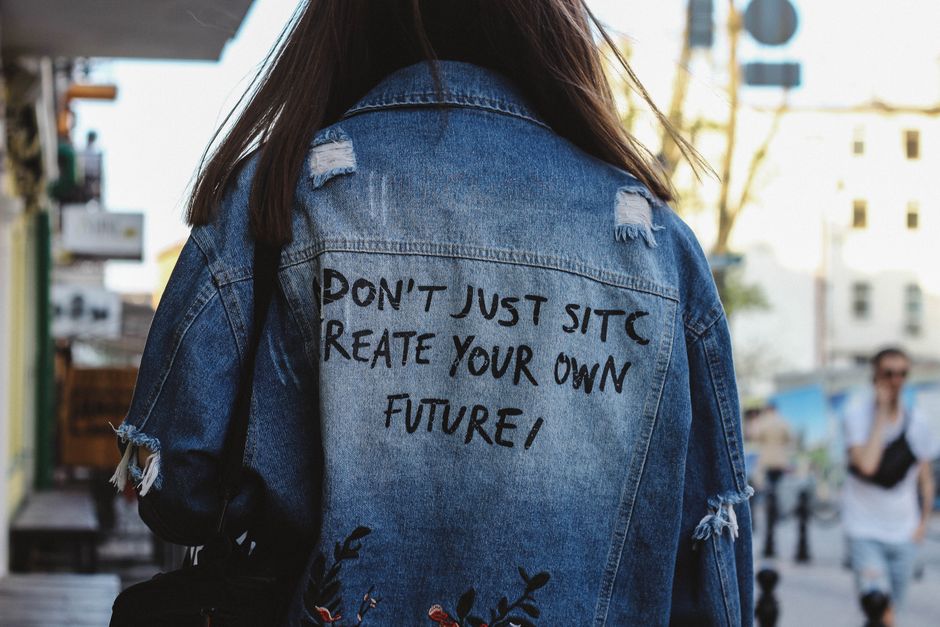
The morning ritual of getting dressed is often treated as a functional necessity, a box to be checked before the day’s work begins. However, a growing body of psychological research suggests that our sartorial choices serve as far more than mere protection from the elements. Enter dopamine dressing 2.0: an intentional, science-backed approach to fashion that prioritizes your internal emotional state over external trends. By leveraging color psychology, texture, and the concept of enclothed cognition, you can transform your wardrobe into a powerful tool for mood regulation, turning your daily outfit into a catalyst for confidence, comfort, or creative energy.
The Science Behind the Style
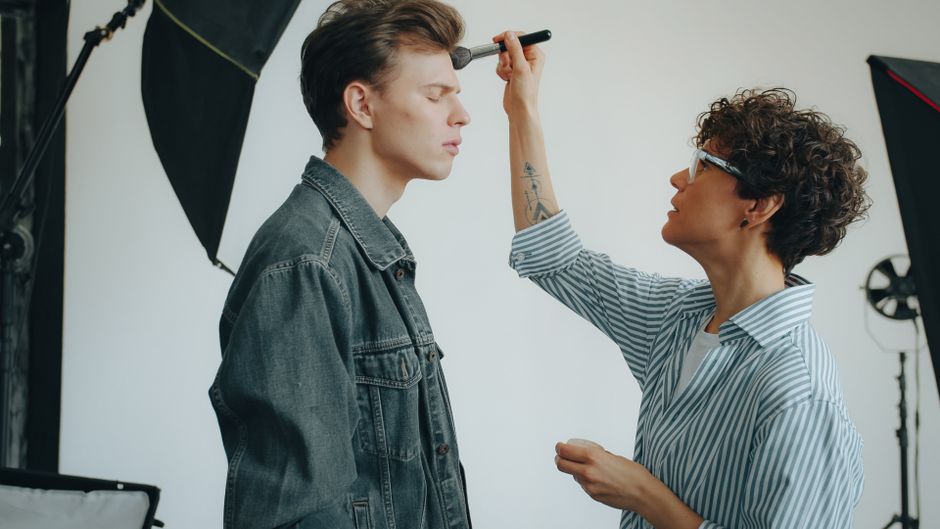
At its core, dopamine dressing is not about keeping up with the latest runway aesthetics; it is about the neurochemical response your brain has to sensory input. Dopamine, the neurotransmitter associated with reward and motivation, can be subtly influenced by the environment we curate for ourselves. When you put on an item of clothing that you associate with a positive memory or a specific feeling, your brain recognizes that sensory cue, which can lead to a tangible shift in your emotional baseline.
Enclothed Cognition: Why What You Wear Changes How You Think
Psychologists use the term enclothed cognition to describe the phenomenon where the clothes we wear influence our cognitive processes. The theory posits that our clothing has two components: the physical experience of the fabric and the symbolic meaning we attach to that garment. If you wear a blazer that you associate with professional success, your brain may unconsciously adopt a more focused, authoritative mindset. Conversely, wearing a soft, oversized cashmere sweater might signal to your nervous system that it is time to decompress and prioritize comfort. By understanding this connection, you can strategically select your attire to align with the mindset you wish to cultivate for the day ahead.
Strategic Color Selection: A Mood-Boosting Toolkit
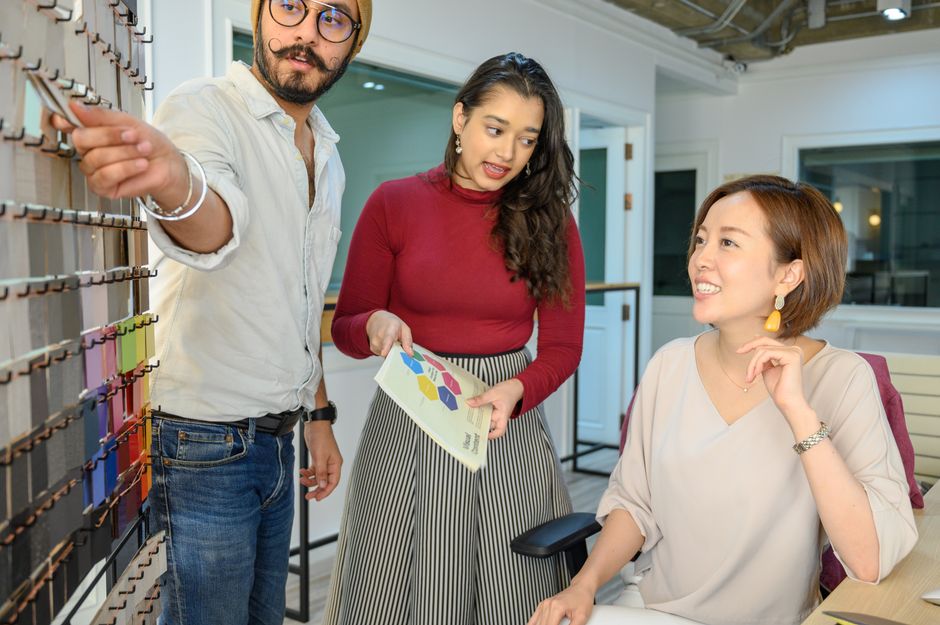
Color is one of the most immediate stimuli our brains process. Because we often respond to color on a subconscious level, choosing your palette is the most effective way to practice dopamine dressing. Different hues can trigger distinct physiological responses, ranging from increased heart rates to lowered cortisol levels.
Energizing Warm Tones
If you are struggling with low energy or need a boost to get through a demanding day, look to the warm side of the color wheel. Red, vibrant orange, and hot pink are high-arousal colors. They are visually stimulating and are often linked to feelings of passion, action, and alertness. Integrating these colors—even as an accessory like a scarf or a handbag—can act as a visual espresso shot, helping you feel more present and assertive.
Calming Cool Tones
On days when the world feels overwhelming or your stress levels are climbing, your clothing can serve as a sanctuary. Cool tones such as deep blues, serene teals, and soft greens are scientifically associated with calmness and emotional regulation. These colors can help lower the perceived “noise” of your surroundings, providing a sense of stability and grounding. When choosing these shades, opt for high-quality, tactile fabrics to deepen the soothing effect.
The Role of Texture and Fit
Dopamine dressing 2.0 expands beyond color to include the sensory experience of touch. Our skin is our largest organ, and the way fabric feels against it significantly impacts our mood. A structured, tailored piece can provide a sense of control and “armor” against a high-pressure environment, while fluid, soft textures can promote a sense of ease and freedom. To optimize your mood, consider how you want to feel physically: do you need the structure of a crisp cotton shirt to feel organized, or the weight of a heavy knit to feel secure?
| Desired Mood | Recommended Colors | Ideal Textures |
|---|---|---|
| Confidence & Energy | Crimson, Electric Yellow, Magenta | Structured wool, crisp poplin, leather |
| Calm & Focused | Navy, Sage Green, Sky Blue | Soft cashmere, organic cotton, silk |
| Creativity & Play | Turquoise, Violet, Tangerine | Velvet, corduroy, textured knits |
Practical Implementation: Building Your Dopamine Wardrobe
You do not need to overhaul your entire closet to benefit from these strategies. Start by identifying the garments you already own that make you smile when you see them. These are your “joy pieces.” Perhaps it is a neon yellow sweater you bought on a whim or a pair of bright turquoise sneakers. The goal is to move away from “functional” dressing and toward “intentional” dressing.
Try the 3-3-3 rule to simplify your approach: select three shirts, three bottoms, and three pairs of shoes that you love and that make you feel like your best self. Rotate these items for a set period. This practice limits “decision fatigue,” which is often a source of morning anxiety, and ensures that every item you reach for has been pre-vetted for its ability to boost your mood.
Frequently Asked Questions
Can you give me some examples of dopamine dressing?
Dopamine dressing looks different for everyone because it is based on personal association. For one person, it might be wearing a bright, canary yellow blazer to a meeting to feel bold and [visible](https://t10family.com/en/visible-mending-how-to-repair-clothes-with-creative-style/). For another, it might be wearing a pair of ultra-soft, sage green linen trousers on a stressful day to induce a sense of calm. The key is to wear items that make you feel good, regardless of whether they “match” or fit current fashion trends.
What is the best color to boost my mood?
There is no universal “best” color, as your personal history and cultural associations play a major role. However, research in color psychology generally suggests that bright, saturated warm colors like pink or orange are most effective for increasing energy and alertness. If your goal is to boost your mood by reducing anxiety, light blues and greens are typically the most effective choices.
What is the 3-3-3 rule for clothing?
The 3-3-3 rule is a minimalist styling strategy designed to help you curate a cohesive, mood-boosting wardrobe. You select three tops, three bottoms, and three pairs of shoes. You then experiment with different combinations using only these nine items for a set period. This limits the stress of choosing an outfit each morning and encourages you to focus on the pieces that truly bring you joy, rather than just filling your closet with clutter.
Where can I buy dopamine fashion?
Dopamine fashion is not a specific brand, but a mindset. You can practice it by shopping anywhere from high-end boutiques to local thrift stores. The secret is to ignore the “neutral basics” section and head straight for the colors and textures that personally resonate with you. Look for brands that prioritize bold prints, vibrant color palettes, and interesting, tactile fabrics. Second-hand shops are excellent for this, as they often house unique, vintage items that offer more character than mass-produced retail clothing.
Conclusion
Dopamine dressing 2.0 is an invitation to reclaim your morning routine as an act of self-care. By viewing your wardrobe through the lens of color psychology and enclothed cognition, you stop dressing for the gaze of others and start dressing for the benefit of your own mind. While a bright sweater or a textured scarf cannot solve the complex challenges of life, they can provide a subtle, consistent, and scientifically backed nudge toward a better day. Start small, pay attention to how your body and mood respond to different hues, and curate a collection of clothes that act as a reliable support system for your emotional well-being.