
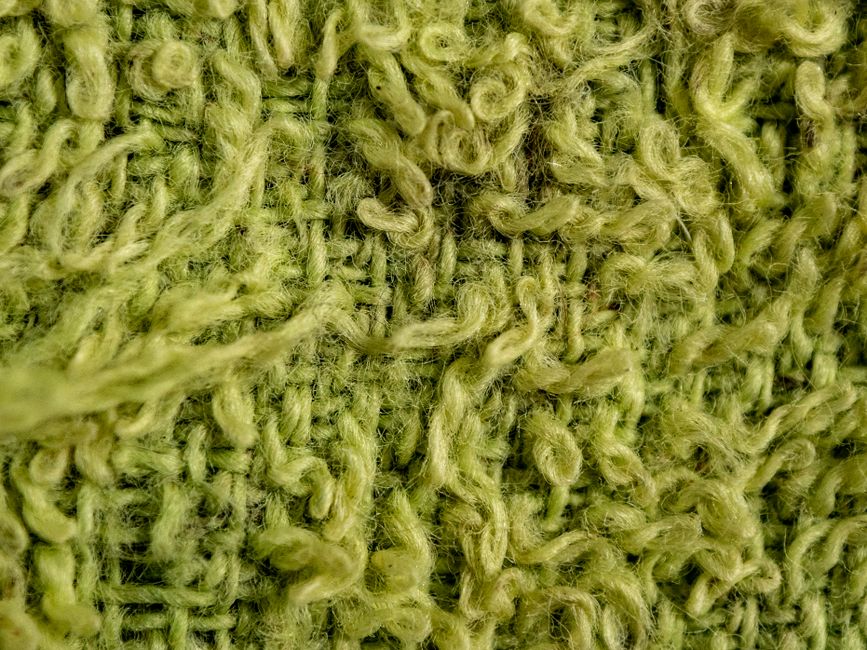
The fashion industry stands at a critical crossroads. With textile production accounting for nearly 10 percent of global carbon dioxide emissions and two-thirds of all fibers still derived from fossil fuels, the search for truly sustainable materials has never been more urgent. As we look toward the future of high-performance apparel, a remarkable solution is emerging from the depths of the ocean. Men algae based textiles the future of carbon negative sportswear represent a paradigm shift in how we conceive of performance gear, moving away from resource-heavy synthetic polymers and toward regenerative, ocean-grown solutions.
The Ecological Imperative: Why Algae?

To understand why seaweed fabric is gaining traction among top-tier performance brands, one must first examine the environmental cost of conventional manufacturing. Traditional cotton cultivation requires vast quantities of water, pesticides, and arable land, while synthetic fibers like polyester contribute significantly to the industry’s fossil fuel dependency. Furthermore, the conventional dyeing process is responsible for a staggering 25 percent of the total environmental impact of textile production, often involving toxic chemicals that pollute local water systems.
Algae presents a compelling alternative. Unlike land-based crops, seaweed cultivation does not compete for freshwater or agricultural land. Instead, it acts as a blue carbon sink. By sequestering carbon dioxide during its growth phase and actively mitigating eutrophication by absorbing excess nutrients in the water, seaweed farming provides a net ecosystem benefit. This makes the move toward algae based materials not just a reduction in harm, but a step toward a regenerative economy.
How to Make Algae Fabric: The Science of Extraction

The process of transforming marine biomass into high-performance textiles is a feat of modern bio-engineering. Projects like the ALLGAE initiative are currently pioneering methods to utilize seaweed side streams to create 100 percent algae-based textile fibers. The process is complex but highly efficient.
From Biomass to Fiber
The journey begins with the sustainable harvesting of seaweed, which is then processed to extract crude alginate fractions. Alginate, a natural polysaccharide found in the cell walls of brown algae, serves as the primary building block for these fibers. Through advanced manufacturing techniques, these fractions are refined and spun into a durable, versatile algae yarn. This yarn possesses the structural integrity required for athletic wear while maintaining a biodegradable end-of-life profile that synthetic fibers simply cannot match.
The One-Pot Dyeing Revolution
One of the most significant breakthroughs in algaeing technology is the integration of pigment during the spinning process. By utilizing a one-pot process, manufacturers can incorporate algae-based pigments directly into the fiber as it is being formed. This eliminates the need for water-intensive, chemical-heavy post-production dyeing. This method not only drastically reduces the water footprint of the garment but also ensures that the color is locked into the fiber, potentially increasing the garment’s longevity and resistance to fading.
The Performance Advantage: Why Sportswear is Leading the Way
Sportswear brands are uniquely positioned to spearhead the adoption of bio-based materials. Athletes demand high performance, moisture management, and durability, all of which are being engineered into modern seaweed clothing. Because algae-based fibers are inherently derived from natural polymers, they often possess excellent moisture-wicking properties and a soft, skin-friendly texture that rivals high-end synthetic blends.
Furthermore, the trend toward carbon-negative sportswear aligns with the values of the modern consumer. Athletes are increasingly conscious of their environmental footprint and are demanding transparency in the supply chain. By replacing petroleum-based polyester with algae yarn, brands can offer products that do not shed microplastics into our oceans—a frequent issue with traditional synthetic sportswear—instead offering a circular, compostable alternative.
The Value Chain of Algae-Based Innovation
The successful integration of algae into fashion relies on a collaborative ecosystem. The following table highlights the essential components of the value chain currently being developed by researchers and industry partners:
| Stage | Function | Environmental Impact |
|---|---|---|
| Harvesting | Collection of seaweed side streams | Carbon sequestration and nutrient uptake |
| Extraction | Isolation of crude alginate fractions | Low chemical input compared to cotton |
| Spinning | Formation of fiber with integrated pigment | Elimination of secondary dyeing processes |
| Manufacturing | Production of garment-ready textiles | Drastic reduction in fossil fuel reliance |
Frequently Asked Questions
Is seaweed clothing durable enough for intense physical activity?
Yes. Ongoing research and development in fiber technology have allowed manufacturers to blend or treat algae-derived fibers to meet the rigorous demands of sportswear. While early iterations of bio-based fabrics were fragile, modern algae yarn is being engineered for high-tensile strength and elasticity, making it suitable for high-performance apparel.
Does algae-based clothing smell like the ocean?
No. The manufacturing process involves the extraction and purification of specific polymers. By the time the algae is transformed into a textile fiber, all organic matter that could cause odors or decomposition is removed. The final fabric is neutral, clean, and structurally distinct from raw seaweed.
How does the cost of algae fabric compare to traditional materials?
Currently, the production of algae-based textiles is at a pilot or scaling stage, which makes it more expensive than mass-produced, fossil-fuel-derived synthetics. However, as infrastructure grows and the technology matures, economies of scale are expected to bring costs down, making it a competitive, high-value alternative to traditional materials.
Is algae-based clothing truly carbon-negative?
The carbon-negative potential of these textiles stems from the cultivation phase. Because seaweed absorbs carbon dioxide as it grows, the raw material itself is a carbon sink. When this is coupled with low-energy, water-efficient manufacturing processes, the total carbon footprint of the garment can be lower than the amount of carbon sequestered during the growth of the seaweed, resulting in a carbon-negative profile.
Conclusion
The transition toward algae-based textiles is more than a trend; it is a fundamental shift in the relationship between fashion and the environment. By leveraging the natural properties of seaweed, we are moving toward a future where our clothing cleans the air and water rather than polluting it. As research into algae yarn and efficient pigment integration continues to advance, we are witnessing the birth of a new era in apparel. Men algae based textiles the future of carbon negative sportswear represent a viable, scalable, and essential path forward for an industry seeking to reconcile its environmental impact with the growing global demand for high-quality, sustainable performance gear. The ocean has provided the raw materials for life on Earth, and it is now providing the blueprint for the next generation of sustainable style.