
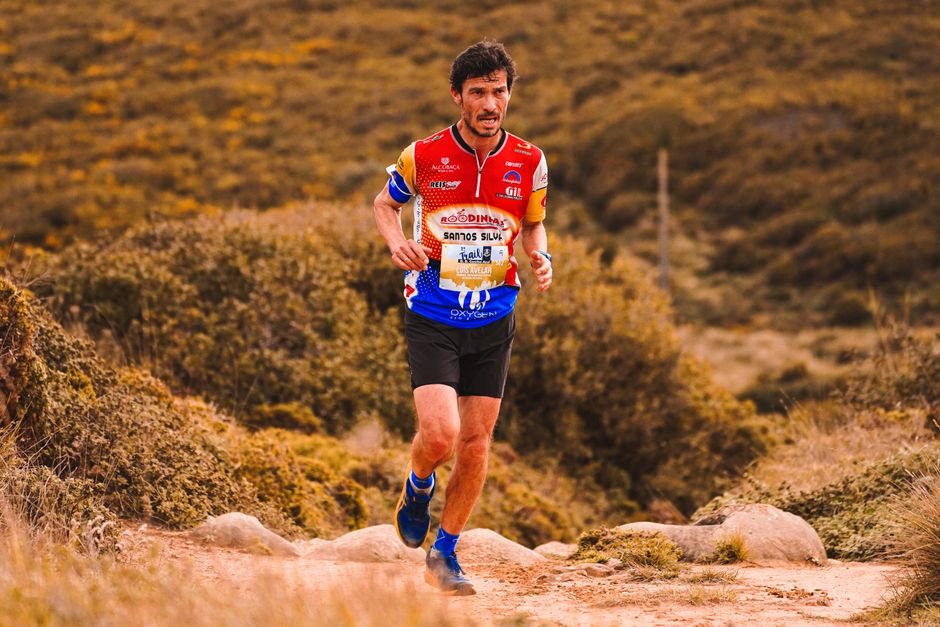
The Evolution of Human Performance: Beyond the Machine

For decades, the standard blueprint for physical training has been defined by the sterile environment of the commercial gym. We have spent years sequestered in climate-controlled rooms, isolating muscle groups on machines designed to dictate our range of motion. Yet, a significant shift is occurring. Today’s most elite performers—the modern hybrid athlete—are increasingly turning their backs on cable stacks and leg extensions in favor of a more raw, intuitive approach. They are rediscovering the ancestral roots of human performance, blending modern endurance and strength training with primal movement to build a body that is not just aesthetically muscular, but genuinely capable.
The Rise of the Hybrid Athlete
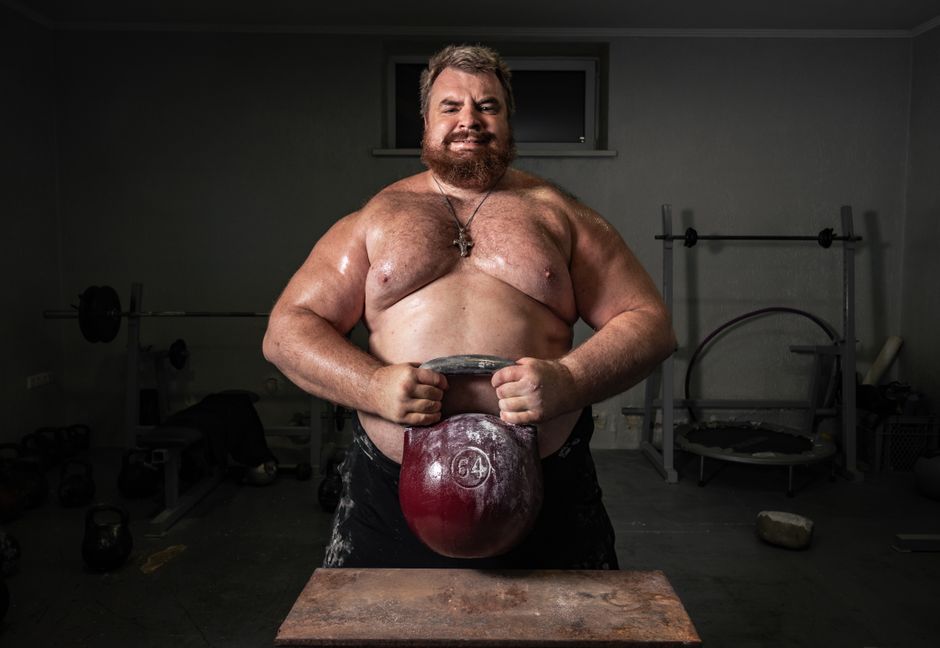
The term hybrid athlete refers to someone who refuses to specialize in just one discipline. They seek the cardiovascular engine of a marathon runner combined with the raw power of a powerlifter. However, as these athletes push their bodies to the limit, they are finding that machine-based training has a ceiling. When you sit on a leg press, you are training a muscle, not a movement. You are removing the need for stabilization, balance, and coordination—the very pillars of human survival.
By integrating primal movement, the hybrid athlete bridges the gap between looking fit and being capable. This philosophy suggests that our bodies were not designed to move in fixed, linear planes. They were built to climb, crawl, sprint, jump, and twist. When you incorporate these patterns into your weekly routine, you are training your nervous system to handle unpredictable stressors, which is the hallmark of true functional fitness.
Understanding Primal Movement
At its core, primal movement is a return to the fundamental mechanics that allowed our ancestors to thrive. It is the practice of training the body in the same ways it was designed to move throughout human history. Rather than focusing on bicep isolation, it focuses on human locomotion.
The Foundational Patterns
To understand the ancestral approach, look at the movements that defined our survival. These are the building blocks of a resilient body:
- Locomotion: Walking, running, and sprinting are the foundation of our cardiovascular health.
- Level Changes: Squatting and lunging are essential for navigating uneven terrain and lifting heavy objects from the ground.
- Upper Body Mechanics: Pushing and pulling—whether it is a push-up or a pull-up—replicate the mechanics of climbing and clearing obstacles.
- Rotation: Twisting the torso is critical for throwing, striking, and maintaining balance while in motion.
- Ground-Based Movement: Crawling, rolling, and getting up from the floor develop core stability and spatial awareness that machines simply cannot replicate.
The Case Against Machine-Based Training
The primary critique of modern gym culture is that it creates disconnected fitness. You might be able to bench press 300 pounds, but if you lack the mobility to reach behind you or the core stability to crawl over an obstacle, your strength is siloed. Primal movement patterns force the entire kinetic chain to work in harmony.
When you perform a bear crawl or a lizard crawl, you are engaging your shoulders, core, hips, and grip strength simultaneously. This creates a level of metabolic demand that is often higher than traditional cardio, while simultaneously building the kind of bulletproof joints that prevent injury. By stepping away from machines, you force your body to stabilize its own weight, which builds functional density and neural efficiency.
Integrating Ancestral Fitness
You do not have to abandon your heavy lifting or your long-distance running to embrace this fitness renaissance. In fact, these primal patterns are the perfect accessory work for the hybrid athlete. Incorporating a 15-minute primal movement flow as a warm-up or a cool-down can significantly improve your recovery and joint health.
Comparison: Traditional vs. Primal Methods
| Training Focus | Traditional Hybrid Method | Primal Integration |
|---|---|---|
| Strength | Barbell Squats | Deep Squat Holds and Lunges |
| Endurance | Treadmill Running | Hill Sprints and Barefoot Jogging |
| Mobility | Static Stretching | Spinal Rolls and Animal Crawls |
| Upper Body | Bench Press | Pull-ups and Pushing Variations |
Frequently Asked Questions
Is the hybrid athlete model effective?
Being a hybrid athlete is arguably the most complete way to train. By balancing strength and endurance, you avoid the pitfalls of over-specialization. It builds a body that is not only visually impressive but also highly durable and capable of performing in any athletic scenario, from a 5K race to a heavy lifting session.
What is the next big thing in the fitness industry?
The next big shift is the move toward holistic functionality. People are growing tired of aesthetic-only goals and are pivoting toward longevity and performance. Integrating ancestral wisdom with modern data-driven training is the trend that is currently dominating the high-performance space.
Who are the top hybrid athletes?
The most prominent figures in the space are those who document their transitions from powerlifting or endurance sports into multi-disciplinary training. Names like Nick Bare and Fergus Crawley have popularized the hybrid lifestyle, showing that it is possible to maintain high levels of strength while training for ultra-endurance events.
Final Thoughts
The renaissance of ancestral fitness is not about rejecting progress; it is about reclaiming the potential of the human machine. By ditching the restrictive nature of machines and embracing primal movement, you are not just getting a workout—you are re-learning how to inhabit your body effectively. For the hybrid athlete, this means creating a foundation of mobility and stability that allows you to train harder, run faster, and live longer. The gym is a tool, but your body is the ultimate technology. Use it the way it was designed to be used.