
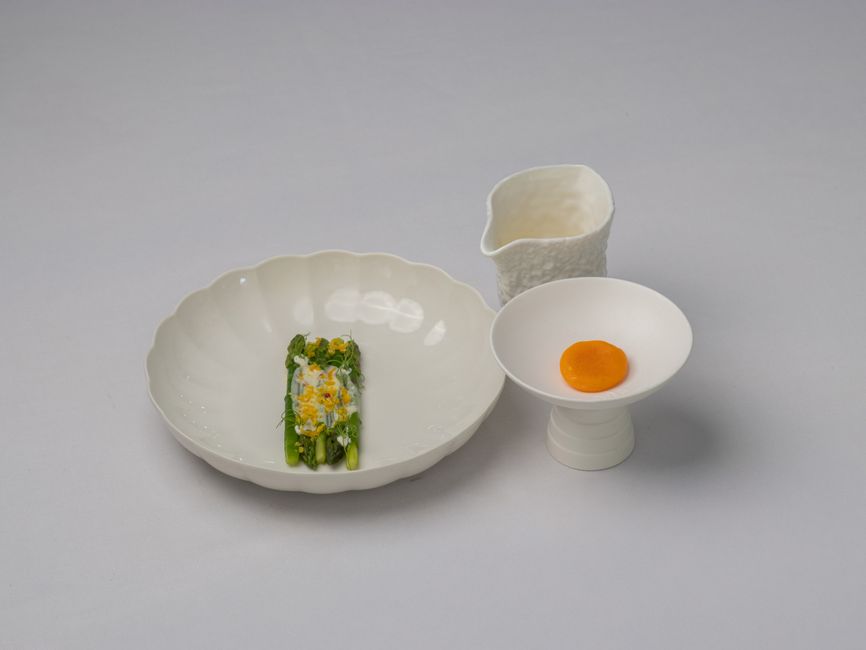
For decades, the term molecular gastronomy conjured images of Michelin-starred chefs wielding liquid nitrogen tanks and centrifuges in sterile, high-tech kitchens. However, a quiet revolution has brought these techniques into the domestic sphere. Today, the kitchen lab revolution for home cooks is more accessible than ever, allowing culinary enthusiasts to transform their everyday cooking into an exploration of texture, presentation, and food science. Whether you are looking to create popping flavor beads, stable foams, or heat-resistant gels, the barrier to entry has never been lower.
Understanding the Basics of Molecular Gastronomy
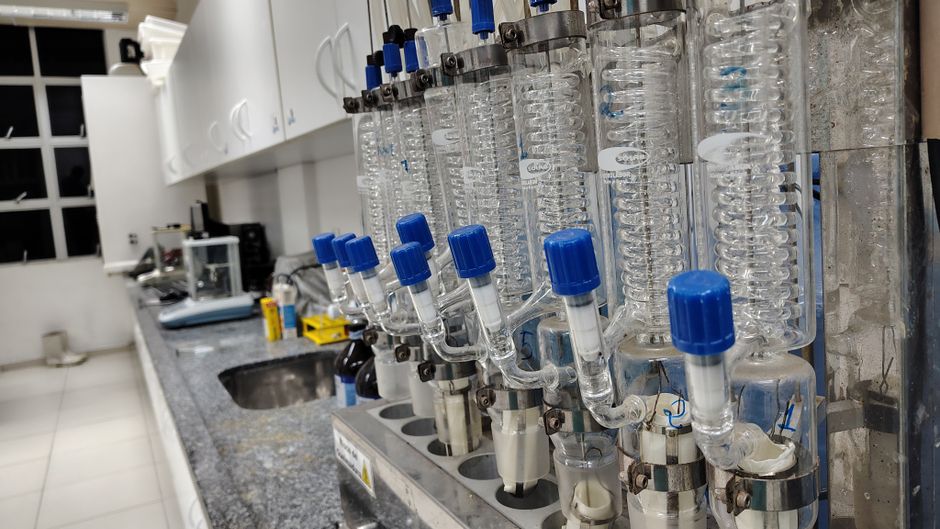
At its core, molecular gastronomy is simply the application of scientific principles to culinary practices. It is not about replacing traditional cooking; it is about expanding the toolkit of the home chef. Every time you whisk egg whites or caramelize an onion, you are performing food chemistry. Modernist techniques simply take this chemistry a step further, using specific, food-grade additives to manipulate the physical state of ingredients.
To get started, you do not need to overhaul your entire kitchen. Most successful experiments rely on a handful of key hydrocolloids and emulsifiers. These are plant-derived, food-safe substances that allow you to change the viscosity, texture, and stability of your favorite dishes. By mastering these ingredients, you can present familiar flavors in entirely new, surprising formats.
Essential Gear and the Molecular Gastronomy Starter Kit
The first step in your journey is acquiring the right equipment. You do not need expensive laboratory-grade hardware. Many companies offer a comprehensive Molecular Gastronomy Starter Kit that includes the essential tools: precision pipettes, silicone tubing, food-grade syringes, and a selection of chemical agents. When browsing for a Molecular Gastronomy Kit, ensure the supplier provides food-grade materials rather than industrial chemicals.
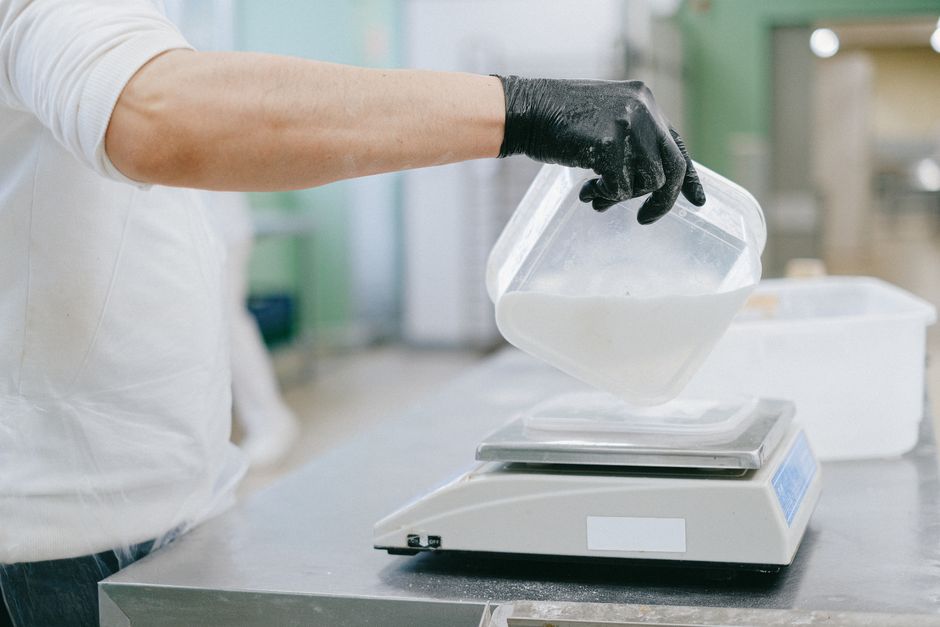
Beyond the kit, there is one non-negotiable tool: a digital scale accurate to 0.1 grams. Because molecular gastronomy recipes often rely on concentrations between 0.5% and 2%, eyeballing measurements will almost certainly lead to failure. Precision is the difference between a delicate, thin-walled sphere and a rubbery, inedible lump.
Must-Have Ingredients for Your Pantry
A well-stocked home lab requires a few foundational ingredients. Each serves a specific purpose in your molecular creations:
- Sodium Alginate: Extracted from seaweed, this is the backbone of spherification. It reacts with calcium ions to form a gel membrane.
- Calcium Chloride: Often used in conjunction with sodium alginate, this provides the calcium ions necessary to trigger the gelling reaction.
- Agar-Agar: A powerful, vegan-friendly gelling agent. Unlike gelatin, agar-agar is heat-stable up to 85 degrees Celsius, allowing you to serve warm gels or jellied soups.
- Soy Lecithin: An emulsifier that allows you to turn juices and broths into light, airy, and stable foams that dissolve on the palate.
- Sodium Citrate: A vital buffer that helps adjust the pH of acidic liquids, ensuring your spheres form properly even when working with citrus or wine.
Techniques to Master: From Spherification to Foams
Once you have your tools, the fun begins with molecular gastronomy recipes. Spherification is the most iconic technique. By dropping a flavored liquid mixed with sodium alginate into a calcium bath, you create “caviar” or large spheres that burst with liquid flavor. This is a fantastic way to elevate a cocktail or a dessert.
Another accessible technique is the creation of foams using soy lecithin. By adding a small amount to a liquid and using an immersion blender to incorporate air, you create a stable, airy foam that adds a sophisticated layer to soups or main courses. These foams are not just for show; they provide a concentrated burst of flavor that cleanses the palate without the heaviness of a sauce.
Troubleshooting Common Failure Modes
If you are reading a The kitchen lab revolution molecular gastronomy for home cooks review, you will likely notice that beginners often hit a few common snags. Understanding these failure modes is part of the learning process.
The most common issue in spherification is the failure of the sphere to form or hold its shape. This is frequently caused by high acidity. If your liquid has a pH below 3.6, the sodium alginate will struggle to hydrate and gel properly. The solution is to add a pinch of sodium citrate to buffer the acidity. Additionally, always ensure that your alginate mixture has been thoroughly blended and allowed to rest for at least 30 minutes to remove trapped air bubbles, which can cause the spheres to float or deform.
Frequently Asked Questions
Is molecular gastronomy safe for the home cook?
Yes, provided you use food-grade additives purchased from reputable culinary suppliers. The ingredients used in these kits, such as agar-agar and soy lecithin, are common in the food industry and are found in many everyday products like ice cream, jam, and chocolate. Always check that your ingredients are labeled as food-grade.
Do I need a science background to succeed?
Absolutely not. While the process is rooted in chemistry, the instructions provided in most kits are designed for home cooks. If you can follow a baking recipe, you can master these techniques. It is all about following ratios precisely and maintaining a clean, organized workspace.
Are these kits worth the investment?
According to most The Kitchen Lab reviews, the investment is well worth it for the creative freedom it provides. Most starter kits retail for under 80 dollars and contain enough chemicals to last for dozens of experiments. For anyone looking to push the boundaries of their cooking, the experience of creating professional-grade textures at home is highly rewarding.
How do I start integrating these techniques into my meals?
Do not try to overhaul an entire meal at once. Start by adding one molecular element to a dish you already cook perfectly. For example, add a small portion of balsamic caviar to a caprese salad or a light lemon foam to a piece of seared fish. Taste the new version against your original to ensure the addition improves the texture or flavor profile rather than just serving as a gimmick.
Conclusion
The kitchen lab revolution is not about turning your home into an industrial facility; it is about curiosity and the joy of culinary discovery. By adopting a few key tools and understanding the chemistry behind your ingredients, you can elevate your home-cooked meals into works of art. Whether you choose to invest in a comprehensive Kitchen Lab Co set or source individual ingredients, the path to mastering molecular gastronomy is open to everyone. Start small, maintain precision with your digital scale, and don’t be afraid to experiment. With a bit of practice, you will find that the most exciting place in the house is not the dining table, but the lab you have built right in your own kitchen.