
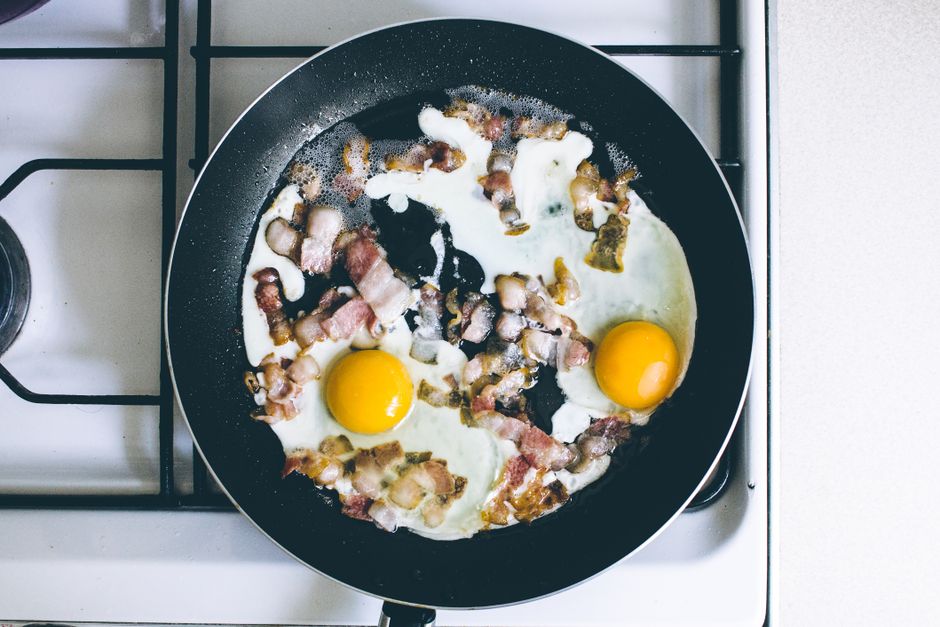
The landscape of home cooking is on the precipice of a significant transformation, driven by the emergence of cultivated proteins and fats. While plant-based alternatives have dominated the conversation for years, a new wave of innovation is focusing on the building blocks of flavor: animal-derived fats and proteins grown in bioreactors. By harvesting animal cells and cultivating them in controlled environments, scientists are creating products that aim to replicate the sensory profile—the specific mouthfeel, aroma, and savory depth—that many home cooks find lacking in traditional vegan substitutes. As these lab-grown meat products move from niche laboratory experiments to potential pantry staples, the way we source, cook, and consume food is set to evolve.
The Science Behind Cultivated Fats and Proteins

At its core, the technology behind cultured meat is a feat of cellular biology. Instead of raising, feeding, and slaughtering livestock, producers isolate specific cells from an animal and place them into a bioreactor. These bioreactors provide the ideal environment for cells to proliferate, mimicking the biological processes that occur within an animal’s body. This method allows for the production of pure proteins and fats that are biologically identical to those found in conventional meat.
Why Cultivated Fats Matter for Home Chefs
One of the primary challenges in the alternative protein space has been achieving the “buttery” or “savory” mouthfeel associated with animal fat. Plant-based oils, such as coconut or sunflower oil, often fail to provide the same smoke point or flavor release as beef tallow or pork lard. Cultivated fat changes this equation. By producing animal-derived fats without the animal, manufacturers can provide home cooks with ingredients that behave exactly like traditional fats during searing, sautéing, and baking. This is a game-changer for those looking to improve the texture and richness of their plant-forward dishes.
The Current State of the Industry

Several cultured meat companies are currently racing to scale production. While the initial focus was on ground products like burger patties or nuggets, the industry is now looking toward broader applications. This includes the development of cultivated fats that can be used as ingredients in cooking, rather than just standalone meat items. However, it is important to note that regulatory approval remains a significant hurdle. Currently, only a few global markets have authorized the sale of these products, and even then, they are often restricted to specific food service applications rather than direct-to-consumer pantry staples.
Navigating the Controversy: Is Lab-Grown Meat Bad?
As with any disruptive food technology, there is a vocal segment of the population questioning the safety and ethics of these products. When people search for reasons why lab-grown meat is bad, their concerns often fall into a few distinct categories. Understanding these arguments is essential for any home cook deciding whether to incorporate these products into their kitchen.
10 Reasons Why Lab-Grown Meat is Bad (Common Criticisms)
- Uncertain Long-Term Health Effects: Critics argue that we do not yet have enough longitudinal studies on the health impacts of consuming cultured cells over several decades.
- Processing Concerns: Some view these products as ultra-processed foods, preferring ingredients that are closer to their natural, whole-food state.
- Economic Disruption: There is significant concern regarding the impact this industry could have on traditional farmers and rural economies that rely on livestock.
- Energy Consumption: While land use is reduced, the energy required to maintain bioreactors at specific temperatures can be substantial.
- Transparency Issues: Consumers are often wary of the proprietary technologies used by cultured meat companies, leading to calls for more radical transparency.
- The “Yuck” Factor: For many, the idea of meat grown in a lab simply feels unnatural, creating a psychological barrier to adoption.
- Nutritional Differences: Some critics worry that lab-grown versions may lack the specific micronutrients found in free-range or grass-fed livestock.
- Regulatory Oversight: Skeptics question whether regulatory bodies can keep pace with the rapid innovation in the biotechnology sector.
- Antibiotic and Growth Media Reliance: Early production methods often relied on fetal bovine serum or antibiotics, which raised ethical and safety questions.
- Market Cost: Until production scales significantly, these products remain prohibitively expensive for the average household, potentially widening the gap between premium and budget food access.
Frequently Asked Questions
What 7 states banned lab-grown meat?
As of late 2024, several U.S. states have moved to restrict or ban the sale and production of cultivated meat to protect their traditional cattle industries. The states that have enacted such bans or stringent restrictions include Florida, Alabama, Tennessee, and several others that are currently drafting similar legislation to prevent the sale of lab-grown meat products within their borders.
Does McDonald’s use lab-grown beef?
No, McDonald’s does not currently use lab-grown beef in its products. The company has focused on plant-based partnerships in select markets, but it has not integrated cultivated meat into its global supply chain. Any claims to the contrary are typically misinformation or speculative content often found in a misleading lab grown meat video.
Does KFC use lab-grown chicken?
KFC has expressed interest in the future of food technology and has previously explored partnerships to develop “bioprinted” chicken nuggets in Russia. However, these were limited pilot projects. As of now, KFC does not serve lab-grown chicken as a standard menu item in its global restaurants.
What countries are using lab-grown meat?
Singapore was the first country to grant regulatory approval for the sale of cultivated meat in 2020. Since then, the United States has also granted approval for specific cultivated chicken products to be sold in high-end restaurants. Other countries, are actively working on regulatory frameworks to allow the commercialization of these products, though widespread availability remains limited.
Conclusion
The evolution of our kitchen pantry is inevitable, and cultivated fats and proteins represent one of the most intriguing frontiers in culinary history. While the industry faces significant hurdles—ranging from regulatory skepticism and valid consumer concerns about the definition of “natural” food to the challenge of scaling production—the potential to transform how we approach meat is undeniable. For the home cook, the rise of these products offers a future where the savory, rich qualities of animal-derived ingredients can be enjoyed with a different footprint on the planet. Whether these products eventually become a staple in every pantry or remain a niche specialty item depends largely on how effectively companies can address the 10 reasons why lab-grown meat is bad, while proving the long-term safety and quality of their innovations. For now, the best approach for the curious cook is to stay informed, prioritize transparent labeling, and continue exploring the diverse world of ingredients—both traditional and modern—that make home cooking a vibrant and ever-changing craft.