
In the modern culinary landscape, the definition of a gourmet ingredient is shifting. What was once relegated to the compost bin—broccoli stems, carrot peels, and herb stalks—is now being recognized as a reservoir of flavor and texture. Transitioning to a zero-waste kitchen is not merely an environmental imperative; it is a creative challenge that pushes home cooks to think like professional chefs. By adopting a mindset where every scrap is a potential building block, you can transform your cooking process into a sustainable, cost-effective, and highly flavorful practice. Embracing this philosophy allows you to elevate simple pantry staples into complex, restaurant-quality dishes while drastically reducing your household waste.
The Philosophy of Circular Cooking
At the heart of the zero waste movement is the realization that our current food system is fundamentally inefficient. We often discard the most nutrient-dense or flavorful parts of our produce simply because of culinary convention. To truly master zero waste meals, one must move beyond the habit of peeling and trimming away potential. When you experiment with using parts of ingredients that are often discarded, you may discover unique tastes and culinary possibilities you would not have considered. For instance, the woody ends of asparagus can be blended into a silky velouté, and beet greens can be sautéed with garlic for a vibrant side dish that rivals spinach.
Stockpiling Your Scraps: The Gourmet Kit
The secret to a zero waste kitchen lies in strategic ingredient management. Rather than viewing leftovers as trash, view them as components for future recipes. Professional chefs utilize a method of stockpiling that ensures nothing goes to waste.
Building a Scraps Freezer Stash
Designate a reusable container or a high-quality silicone bag in your freezer specifically for vegetable trimmings. Onion skins, leek ends, mushroom stems, and carrot peels are perfect for this. When the bag is full, simmer these with water, peppercorns, and bay leaves to create a rich, golden vegetable stock that far exceeds the quality of store-bought alternatives. This simple habit turns a week of preparation into a deeply flavored base for soups, risottos, and sauces.
Strategic Ingredient Management
If you have an abundance of one ingredient, consider how you might use it sparingly across several dishes. If you buy a large bunch of herbs, don’t let them wilt. Use the leaves for a garnish or a salad, and pulse the fibrous stems into a pesto or compound butter. By viewing your ingredients as a collection of parts rather than a singular item, you gain more utility and variety in your daily cooking.
Learning from the Experts
For those looking to deepen their expertise, professional guidance can be invaluable. Many enthusiasts look to The Zero-Waste Chef for inspiration on how to move away from processed convenience. Reading The Zero-Waste Chef book provides a foundational understanding of how to ferment, preserve, and cook without relying on single-use packaging. Furthermore, attending a zero waste cooking class can provide hands-on experience, teaching you how to handle ingredients with precision and care.
The Art of Zero-Waste Sourdough
One area where many home cooks excel is in the realm of zero-waste chef sourdough practices. A sourdough starter is the ultimate zero-waste tool; it thrives on basic flour and water and produces discard that can be transformed into crackers, pancakes, or flatbreads. Mastering this process is a gateway to understanding how to utilize every gram of flour that enters your pantry, ensuring that even your “discard” becomes a gourmet staple.
Handling Non-Edible Waste
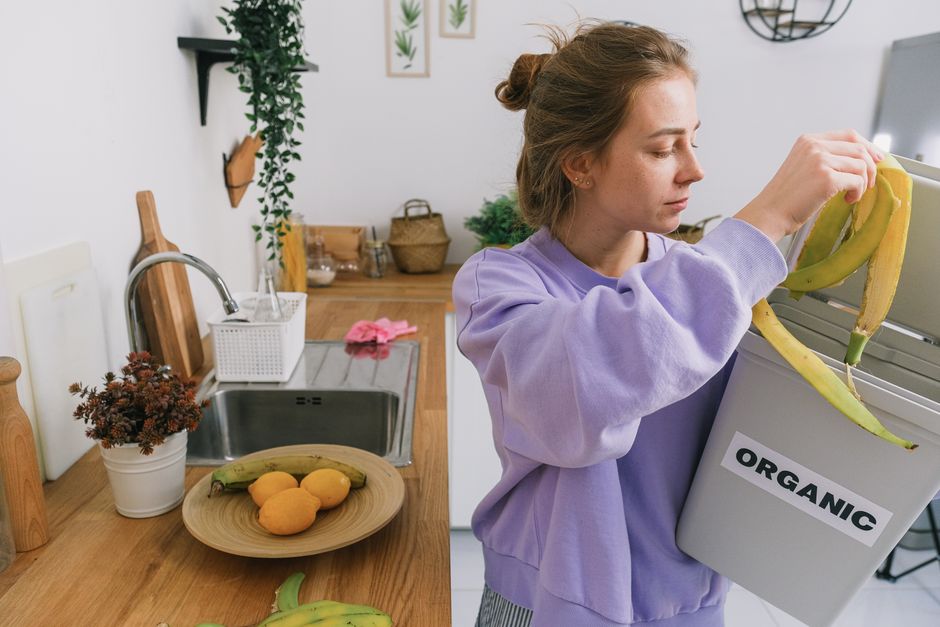
While the goal is to use as much as possible, it is essential to recognize that not all scraps are edible. Items like coffee grounds, eggshells, and fruit pits should not be tossed in the general trash. Instead, set up a compost bin to ensure that your wasted food scraps have a sustainable place to go, thereby contributing to reducing the load on landfills. Composting effectively closes the loop in your kitchen, turning the final, inedible remnants of your meals into nutrient-rich soil for your garden.
Frequently Asked Questions
What are some examples of zero-waste kitchen items?
Essential items include reusable glass jars for bulk storage, beeswax wraps to replace plastic film, silicone baking mats, and a high-quality compost bin. Additionally, investing in a durable vegetable brush and a sharp chef’s knife allows you to clean and utilize produce without needing to peel away nutrient-rich skins.
What does from scratch with Bob do for a living?
From Scratch with Bob is a popular content creator and educator known for teaching sustainable, traditional food preparation methods. He focuses on helping home cooks move away from industrial food systems by teaching techniques like bread baking, fermenting, and gardening, essentially showing people how to take control of their food supply through hands-on, traditional skills.
What are the 5 R’s of zero-waste living?
The 5 R’s are a framework for sustainable living: Refuse what you do not need, Reduce what you do need, Reuse everything you can, Recycle what you cannot refuse or reuse, and Rot (compost) the rest. This hierarchy helps prioritize actions that prevent waste from being created in the first place.
What are some good zero-waste cookbooks?
Beyond The Zero-Waste Chef book by Anne-Marie Bonneau, excellent resources include “Waste-Free Kitchen Handbook” by Dana Gunders, which offers practical tips on storage and usage. “The Art of Frugal Hedonism” also provides a great philosophical approach to enjoying high-quality food while consuming less, and many modern chefs are now releasing specialized guides on root-to-stalk cooking.
Conclusion
Transforming your kitchen into a zero waste environment is a journey of discovery. By intentionally stockpiling scraps, learning to manage your inventory with precision, and embracing the creative potential of every vegetable stem and peel, you do more than just save money—you become a more conscious, skilled cook. Whether you are perfecting your zero-waste chef sourdough or simply finding a new use for carrot tops, each small change contributes to a more sustainable culinary lifestyle. Start by making one small adjustment to your routine today, and watch as your kitchen transforms from a place of waste into a source of endless gourmet inspiration.