
The traditional suburban lawn—a sprawling, thirsty expanse of manicured grass—is rapidly losing its status as the pinnacle of domestic prestige. In its place, a more functional and resilient movement is taking root: edible landscaping. This design philosophy bridges the gap between ornamental beauty and agricultural utility, transforming sterile yards into vibrant, productive ecosystems. By integrating fruit trees, berry bushes, and perennial vegetables into your residential layout, you can create a backyard aesthetic that is as delicious as it is visually striking, all while embracing the principles of urban permaculture.
What is Edible Landscaping and Why Does It Matter?
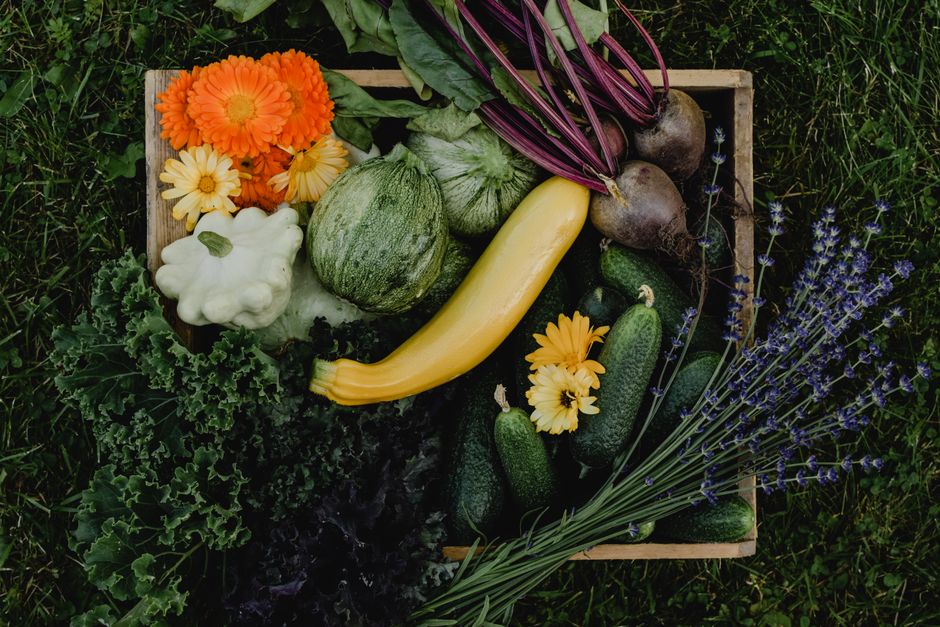
At its core, edible landscaping is the practice of designing residential spaces that provide food while maintaining the aesthetic appeal of a traditional garden. Rather than relegating vegetables to a hidden backyard plot, this approach treats kale, blueberries, and apple trees as central design elements. It moves away from the resource-heavy reliance on chemical fertilizers and excessive water consumption associated with monoculture grass, opting instead for a diverse, self-sustaining environment.
Urban permaculture takes this a step further by applying a systemic approach to your outdoor space. It is not just about planting food; it is about observing how sunlight, water, and soil interact within your property. When you design with permaculture in mind, you are creating a closed-loop system that minimizes waste and maximizes yield. This transition is essential for modern homeowners looking to reduce their grocery bills, lower their carbon footprint, and foster local biodiversity by providing much-needed habitats for pollinators.
Designing Your Permaculture Front Yard
A permaculture front yard is often the first thing neighbors notice, and it serves as a powerful statement that beauty and productivity are not mutually exclusive. The key to a successful edible landscape is careful planning. You must assess your site’s microclimates—the specific areas of shade, wind exposure, and moisture—to choose the best plants for edible landscaping that will thrive in your specific conditions.
The Zoning System
One of the most effective urban permaculture strategies is the use of zones. Zone 0 is the home itself, while Zone 1 consists of the areas you visit daily, such as the space right outside your kitchen or front door. In Zone 1, you should place high-maintenance, high-yield plants like culinary herbs, salad greens, and cherry tomatoes. As you move further away into the yard (Zones 2 and 3), you can transition to lower-maintenance crops like fruit trees, berry patches, and perennials that require less frequent attention.
Selecting Your Palette
When choosing plants, focus on multi-functional species. For instance, a blueberry bush offers beautiful white spring flowers, delicious fruit in the summer, and stunning fiery-red foliage in the fall, making it a perfect candidate for edible landscaping. Fruit trees such as espaliered apples or pears can be trained to grow flat against walls or fences, saving space while creating a sophisticated, architectural look.
| Plant Category | Visual Appeal | Culinary Use | Placement Strategy |
|---|---|---|---|
| Fruit Trees | Structural/Architectural | Fresh fruit, preserves | Background or focal point |
| Berry Bushes | Seasonal color/Texture | Snacking, baking | Mid-ground borders |
| Culinary Herbs | Fragrance/Greenery | Seasoning, teas | Near kitchen/pathways |
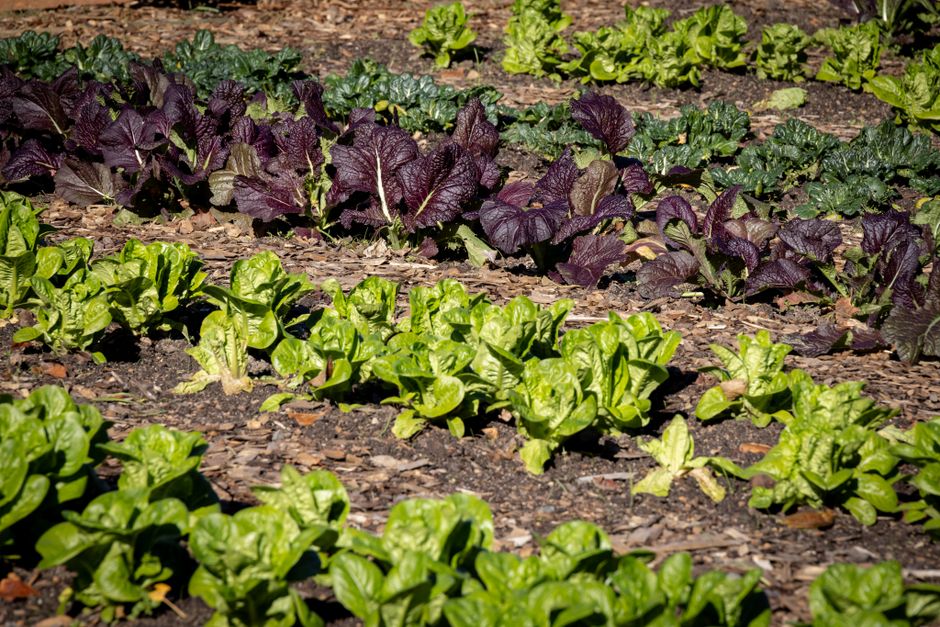
| Leafy Greens | Vibrant ground cover | Salads, cooking | Front-of-bed accents |
Edible Landscaping Ideas for Every Space
You do not need a sprawling estate to implement edible landscaping ideas. Whether you have a small balcony, a narrow side yard, or a large suburban lot, the principles remain the same. The goal is to layer your plantings to mimic the structure of a forest—a method known as food forest design. By planting in layers—from tall canopy trees down to ground-covering herbs—you can create a dense, highly productive system.
Vertical Gardening
If horizontal space is limited, look up. Vertical landscaping allows you to grow climbing beans, peas, and vining squashes on trellises, arbors, or wall-mounted planters. These structures add height and drama to the garden while keeping fruits off the ground, which can improve air circulation and reduce pest issues.
Incorporating Edibles into Existing Beds
You do not have to rip out your entire yard to start. Begin by interplanting. Replace a row of non-native boxwoods with rosemary or lavender. Use strawberries as a ground cover beneath rose bushes. By integrating edible landscaping plants into your existing ornamental beds, you can gradually transition your property into a food-producing paradise without the stress of a total overhaul.
Frequently Asked Questions
What does “edible landscape” mean?
An edible landscape is a residential garden design that integrates food-producing plants, such as vegetables, fruits, herbs, and edible flowers, into the aesthetic arrangement of the yard. It replaces or supplements traditional, non-productive ornamental plants with species that provide both visual beauty and a harvestable yield.
What are some ideas for edible landscape design?
Popular ideas include creating an espaliered fruit tree fence, using herb-filled containers on patios, incorporating berry bushes as privacy hedges, and using perennial vegetables like asparagus or rhubarb as structural elements in flower beds. The key is to treat the plants as design features first, ensuring they look intentional and organized.
What are the 7 principles of landscaping?
While design philosophies vary, the 7 fundamental principles of landscape design are unity, scale, balance, simplicity, variety, emphasis, and sequence. These principles help ensure that your edible garden feels cohesive and professional rather than cluttered or overgrown, providing a sense of order to the natural bounty.
What are the four types of landscapes?
In a general design context, landscapes are often categorized as formal (structured and symmetrical), informal (naturalistic and asymmetrical), xeriscape (water-wise and drought-tolerant), and functional (designed primarily for specific uses like vegetable gardening or recreation). Edible landscaping often blends these types, utilizing formal structure for accessibility and informal planting for productivity.
Conclusion
The shift toward edible landscapes is more than just a passing trend; it is a fundamental rethinking of our relationship with the land we inhabit. By embracing edible landscaping, homeowners can reclaim their yards from the cycle of high-maintenance, low-reward lawn care. Whether you are searching for edible landscaping near me to find local nurseries that stock perennial fruits, or you are ready to start designing your first permaculture zone, the journey toward a more sustainable lifestyle begins with a single plant. With thoughtful design and a focus on biodiversity, you can transform your property into a beautiful, functional, and deeply rewarding source of nourishment that benefits both your household and the local ecosystem.