
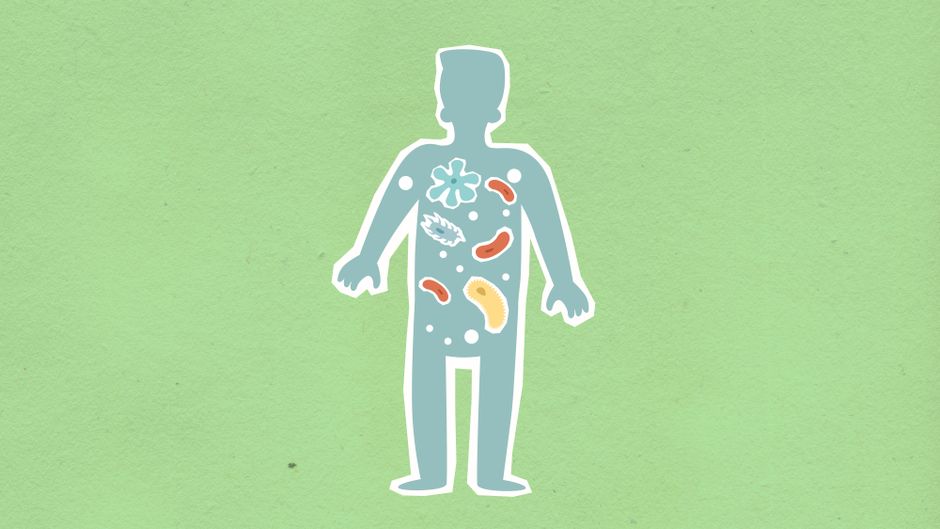
Have you ever experienced that fluttering sensation in your stomach when you are nervous, or felt a knot in your gut after a particularly stressful day? This is not merely a metaphor; it is the physical manifestation of the gut-brain axis at work. This bidirectional communication highway connects your digestive system to your brain, and emerging science suggests that what you put on your plate—specifically fermented foods—may be one of the most effective ways to influence your mental clarity and emotional resilience. By integrating fermented condiments into your weekly meal prep, you are doing more than just adding flavor; you are actively modulating a complex microbial ecosystem that governs everything from your mood to your immune response.
Understanding the Gut-Brain Axis
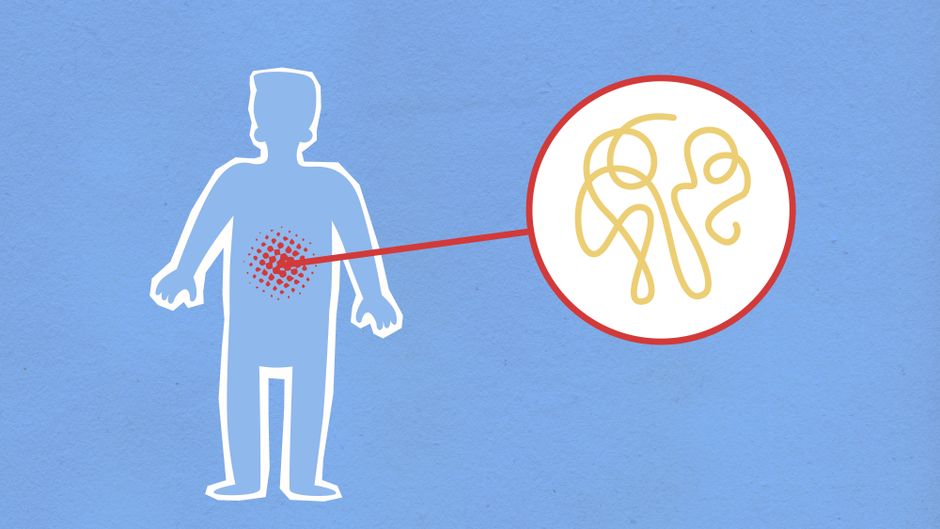
To appreciate why fermented foods are so vital, one must first understand the gut-brain axis. This network involves the vagus nerve, which acts as a superhighway of nerves running from your brainstem to your abdomen, the enteric nervous system, and the hypothalamic-pituitary-adrenal (HPA) axis. At the center of this network lies the gut microbiome, a vast community of trillions of bacteria, fungi, and other microbes living in your intestines.
These microbes do far more than assist with digestion. They are active metabolic factories that produce neurotransmitters such as serotonin, dopamine, and gamma-aminobutyric acid (GABA), all of which play critical roles in mood regulation, anxiety management, and cognitive function. Remarkably, approximately 90 percent of the body’s serotonin is produced in the gut. When the microbiome becomes imbalanced due to poor diet, chronic stress, or antibiotic use, it can send distress signals to the brain, manifesting as brain fog, irritability, or increased anxiety. Conversely, mental stress can disrupt the delicate balance of your gut flora, creating a feedback loop that underscores the importance of nourishing your inner ecosystem.
The Science of Lacto-Fermentation

Lacto-fermented vegetables (LFVs) are traditional foods produced through the microbial transformation of plant materials by lactic acid bacteria. Unlike commercial pickling, which often uses vinegar to acidify vegetables, true fermentation relies on the ecological succession of beneficial microorganisms. As these microbes consume the natural sugars in the vegetables, they produce a variety of bioactive metabolites, including organic acids, amino acids, and lipid derivatives.
This process transforms the nutritional profile of the food. Fermentation can increase the concentration of B vitamins, such as folate, riboflavin, and vitamin B12, while simultaneously enhancing the bioavailability of minerals. By reducing phytates—compounds that typically bind to minerals and prevent absorption—microbial phytase activity allows your body to better utilize the nutrients present in your meals. Furthermore, fermentation helps break down anti-nutrients, such as the goitrogens found in raw cabbage, making fermented vegetables easier to digest and safer for sensitive systems.
Integrating Fermented Condiments into Your Meal Prep
Incorporating these foods into your routine does not require elaborate cooking. The key is consistency. By treating fermented condiments as a staple rather than a garnish, you can ensure a steady supply of probiotics and microbial metabolites.
Sauerkraut
Traditional sauerkraut is made simply with cabbage and salt. It is an exceptional source of probiotic bacteria like Lactobacillus plantarum and Leuconostoc mesenteroides. A single serving provides billions of colony-forming units (CFUs) along with essential vitamin K2 and vitamin C. To get the most benefit, always choose raw, unpasteurized sauerkraut found in the refrigerated section of the grocery store, as heat processing kills the beneficial bacteria.
Kimchi
This traditional Korean staple is typically made with Napa cabbage seasoned with garlic, ginger, and gochugaru (red chili flakes). The inclusion of these spices provides anti-inflammatory benefits alongside the probiotic load. Kimchi is a versatile condiment that adds a complex, umami-rich punch to grain bowls, eggs, or even salads.
Kefir and Yogurt
While vegetables are excellent, fermented dairy or coconut-based kefir offers a different, highly diverse microbial profile. These beverages are packed with yeasts and bacteria that support the intestinal barrier, which is the early signaling interface where microbial metabolites interact with host physiology. Keeping a jar of kefir in the fridge makes for an easy morning addition to smoothies or overnight oats.
Dangers and Considerations
While fermented foods are generally health-promoting, there are legitimate concerns to address. The primary risk involves improper home fermentation, which can lead to the growth of harmful pathogens like Clostridium botulinum if the salt concentration or acidity levels are incorrect. Always use reliable, tested recipes and ensure that the vegetables remain fully submerged in the brine throughout the fermentation process. Additionally, individuals with histamine intolerance may find that aged or highly fermented foods trigger headaches or digestive distress. If you have specific medical conditions or are immunocompromised, it is prudent to consult with a healthcare professional before making significant changes to your diet.
Frequently Asked Questions
What are the top 5 fermented foods for gut health?
While individual needs vary, the most consistently recommended fermented foods include sauerkraut, kimchi, kefir, miso, and plain, unsweetened yogurt. Each of these provides a unique strain of beneficial bacteria and a distinct profile of bioactive compounds that support the gut-brain axis.
What gut bacteria are linked to dementia?
Research is still evolving in this field, but studies have identified that an imbalance in gut flora—often referred to as dysbiosis—can contribute to neuroinflammation. Specifically, the overgrowth of pro-inflammatory bacteria and a reduction in short-chain fatty acid-producing bacteria are often investigated in relation to cognitive decline. Maintaining a diverse microbiome through a diet rich in fiber and fermented foods is currently the best preventive strategy.
What are the super six gut foods?
While the list of gut-healthy foods is long, many nutritionists point to these six: sauerkraut, kimchi, kefir, garlic, onions, and legumes. This combination provides both probiotics (from the fermented options) and prebiotics (the fermentable fibers in garlic, onions, and legumes that feed your beneficial bacteria).
Does Greek yogurt count as fermented food?
Yes, Greek yogurt is a fermented food. During production, specific bacterial cultures are added to milk, which ferment the lactose into lactic acid. When choosing Greek yogurt, ensure it is labeled as containing “live and active cultures” and is free from added sugars, which can counteract the benefits of the probiotics.
Conclusion
The gut-brain axis is a testament to the intricate, interconnected nature of human biology. By prioritizing fermented foods in your meal-prep routine, you are doing more than simply following a culinary trend; you are providing your body with the tools it needs to maintain a healthy, resilient internal environment. Whether you start with a spoonful of raw sauerkraut on your lunch salad or a splash of kefir in your morning smoothie, the cumulative effect of these small, microbial-rich additions can have a profound impact on your physical and mental well-being. As you explore the world of ferments, remember that the goal is progress, not perfection. By consistently nourishing your microbiome, you are supporting the very foundation of your health, one bite at a time.