

The traditional narrative of fatherhood has long been anchored to two primary pillars: the home, often viewed as the sanctuary of family life, and the workplace, the domain of the provider. However, the modern landscape of parenting is undergoing a radical shift. As the role of the father in parenting evolves from a secondary support figure to an active, engaged co-parent, men are increasingly finding themselves in need of a third environment. This is where the concept of the third space dad comes into play—a movement toward reclaiming social identity and community connection outside of the rigid binaries of office and living room. By engaging in these neutral grounds, fathers are not just improving their own mental well-being; they are fundamentally reimagining what it means to be a present, influential force in their children’s lives.
The Evolution of the Modern Father
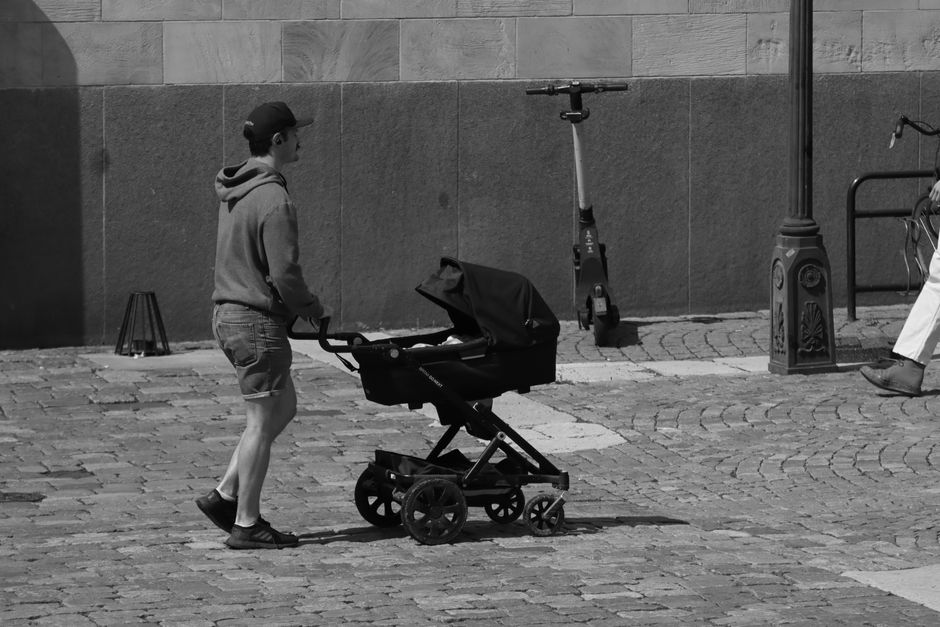
For decades, society operated on a clear division of labor. The father was the breadwinner, and the mother was the primary caregiver. While these roles provided a clear sense of duty, they also created a profound sense of isolation for many men. Studies on fatherhood indicate that when men are confined strictly to their professional and domestic roles, they often experience a deficit in social support. Today, we are witnessing a transition toward involved fathers who seek to participate in the emotional and logistical realities of child-rearing. This shift is not merely a social trend; it is a structural change in how families function.
The Neurobiology of Engaged Fatherhood
Recent research into how modern fatherhood is changing men’s brains suggests that active involvement in parenting triggers hormonal and neurological changes. Engaging in caregiving activities, such as play and emotional regulation, fosters the release of oxytocin, which strengthens the bond between parent and child. When a man steps into a third space—a community group, a park, or a hobby-based collective—he is often surrounded by other men who are undergoing similar biological and psychological shifts. This environment reinforces the behaviors associated with involved fatherhood, creating a positive feedback loop that helps men navigate the complexities of modern parenting with greater confidence.
Defining the Third Space for Dads

The term third space, coined by urban sociologist Ray Oldenburg, refers to social surroundings separate from the two primary spheres of home and work. For the third space dad, these locations act as the anchor of community life. They are places where people gather, converse, and build relationships on neutral ground. Unlike the home, which is often consumed by domestic chores, or the office, which is defined by hierarchy and productivity, the third space is egalitarian and restorative.
Physical vs. Digital Third Spaces
While physical locations like community centers, local sports clubs, or volunteer organizations are the gold standard for social interaction, the reality of modern life often imposes time constraints. This is where digital third spaces come into play. Online forums, parenting apps, and specialized brotherhood groups provide a vital lifeline for fathers who may not have a local hub nearby. These digital spaces allow for the rapid exchange of advice, support, and normalization of the struggles inherent in modern fatherhood. While they cannot replace the tactile experience of a face-to-face interaction, they bridge the gap for the time-poor father, ensuring that he remains connected to a broader network of peers.
The Impact of Community Involvement on Mental Health
Social isolation is a silent epidemic among men. When a father feels that his identity is limited to his paycheck or his ability to fix things around the house, he is at higher risk for stress, anxiety, and depression. Articles on fatherhood frequently highlight that community involvement is one of the most effective antidotes to this isolation. By stepping into a third space, a father gains access to a support system that understands the specific pressures of modern parenting.
| Space Type | Primary Benefit | Example |
|---|---|---|
| Physical Third Space | Tangible social connection and networking | Local park groups, hobby clubs, volunteer fire departments |
| Digital Third Space | Accessibility and immediate information sharing | Parenting forums, niche social media groups, fatherhood apps |
| Active Third Space | Physical health and shared goal setting | Running clubs, weekend sports leagues, community gardening |
When fathers engage in these spaces, they move from being solitary figures to members of a collective. This shift reduces the pressure to be perfect. In a community of other dads, one quickly realizes that the challenges of sleep deprivation, work-life balance, and child discipline are shared experiences. This realization is transformative, moving the father from a position of individual struggle to one of communal strength.
Overcoming Barriers to Entry
Despite the clear benefits, many men struggle to find or create their third space. The primary barrier is often the perception that leisure time is a luxury that parents cannot afford. However, reimagining community involvement requires a shift in perspective: viewing social connection not as “me time” but as an essential component of being a better parent. When a father is mentally healthier and socially connected, he returns home as a more patient, engaged, and present partner and parent.
Practical Steps for Dads
- Identify local hubs: Look for community centers or parks where other parents congregate.
- Leverage hobbies: Use existing interests like athletics, wood-working, or gaming as a vehicle for community building.
- Be the catalyst: If a space does not exist, consider starting a small group or a monthly meetup for local dads.
- Prioritize consistency: Treat your third space engagements with the same level of commitment as a work meeting or a family commitment.
Frequently Asked Questions
Why is the third space concept so critical for the modern father?
Modern fathers are balancing traditional expectations with a new, active role in emotional caregiving. Without a third space, fathers often lack a peer group to discuss these changes, leading to isolation. The third space provides a buffer that balances the pressures of work and home.
Can online groups really count as a third space?
Yes. While physical interaction is ideal, digital third spaces provide essential emotional validation and information. For many fathers with limited time or geographic barriers, these platforms are the only accessible way to maintain a sense of brotherhood and community.
How does community involvement improve the father-child relationship?
When fathers participate in community life, they develop better emotional regulation and social skills. These traits are directly transferred to the home environment. Furthermore, seeing a father interact with his community provides children with a model of healthy, balanced adult social behavior.
Are there downsides to seeking a third space?
The only significant risk is a lack of balance. The goal is to supplement the home and work spheres, not to use the third space as an escape from domestic responsibilities. When approached with intention, the third space should enhance, not detract from, family life.
Conclusion
Reimagining community involvement for modern fathers is not about adding another item to an already overflowing to-do list. It is about recognizing that the role of the father in parenting is multifaceted and requires a support structure that transcends the walls of the home and the office. By embracing the third space, fathers can break the cycle of isolation, nurture their own mental health, and become more intentional participants in their children’s development. As we move forward, the definition of the modern dad will continue to evolve, and those who prioritize community connection will find themselves better equipped to navigate the rewarding, complex journey of fatherhood.