
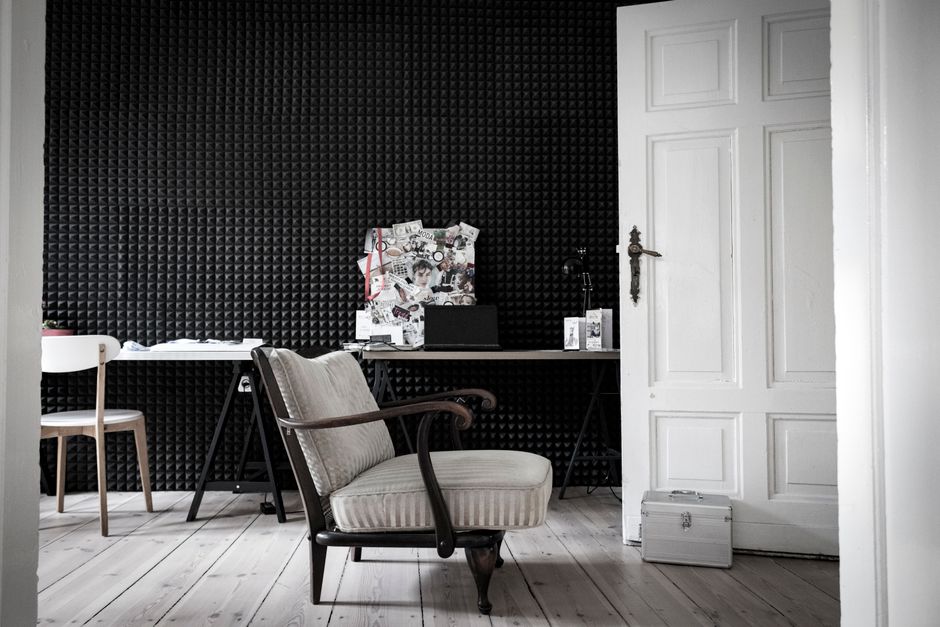
In the era of remote work, the home office has evolved from a simple desk in the corner to a vital center for productivity and professional focus. However, the domestic environment is rarely designed with the acoustic precision of a corporate boardroom. Achieving a quiet, distraction-free space requires a strategic approach that balances physical isolation with interior design. By implementing simple designing acoustic sanctuaries soundproofing tips for modern home offices, you can transform a noisy room into a professional environment that shields you from household chaos and external disturbances.
The Science of Sound: Isolation Versus Absorption
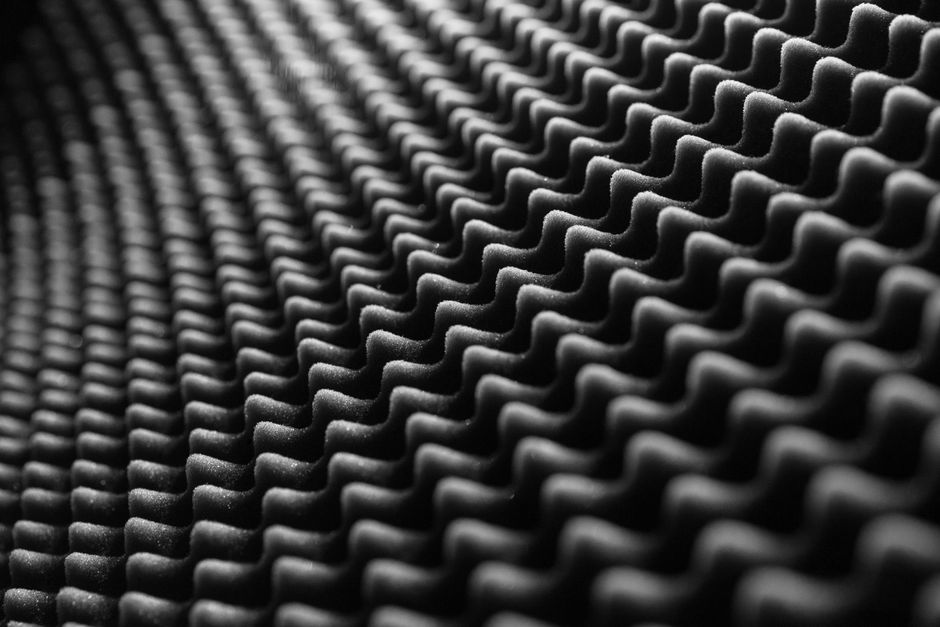
To master home office soundproofing, one must first understand the distinction between blocking sound and absorbing it. Sound behaves like water; it will find the smallest crack to travel through. Blocking sound, or isolation, requires mass and density to prevent airborne noise from entering your space. Absorbing sound, or acoustic treatment, involves using soft materials to reduce echoes and reverberation within the room, which improves speech clarity and reduces listener fatigue.
The Role of Mass and Density
Mass is the single most important factor in preventing sound transmission. If you are looking to soundproof office walls, adding mass is essential. Standard drywall is often thin and vibrates easily, allowing sound to pass through. Upgrading to acoustic-grade drywall, which is denser than standard gypsum, or adding a secondary layer of drywall with a damping compound in between, significantly reduces sound infiltration. For those unable to renovate, heavy furniture like floor-to-ceiling bookshelves filled with books acts as a high-density barrier that adds both mass and aesthetic character to the room.
Sealing the Air Gaps
Before investing in expensive materials, address the most common culprit of noise leakage: air gaps. Sound travels through air; if air can get through, noise can follow. Inspect the perimeter of your door, windows, and any electrical outlets. Installing weather stripping around the door frame is a highly effective, low-cost solution. For the bottom of the door, a heavy-duty automatic door bottom or a high-quality door sweep is a critical component of any soundproof home office door strategy. Even small gaps around windows can be sealed with acoustic caulk to ensure a tight, sound-resistant envelope.
Strategic Design for Acoustic Control
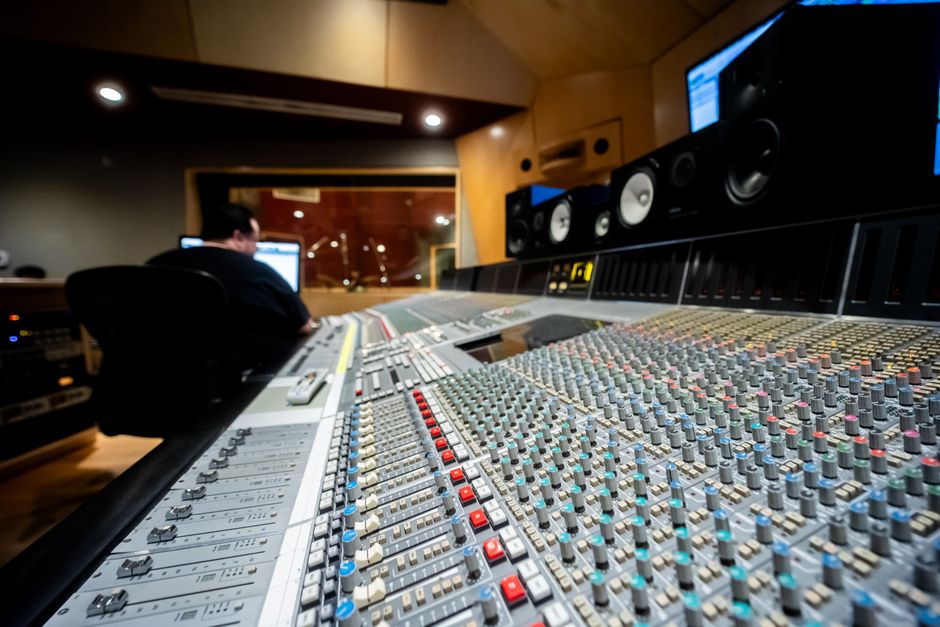
Once you have addressed the structural isolation, the focus shifts to internal acoustics. A room with hard, flat surfaces—such as hardwood floors, glass windows, and bare walls—creates a “bouncing” effect that makes every sound feel louder and sharper. This is where professional acoustic design principles come into play.
Optimizing the Office Layout
The placement of your furniture can act as a natural acoustic buffer. Position your desk away from shared walls or walls that border high-traffic areas of the home, such as the kitchen or living room. If you are working in an open-concept space, consider using room dividers or folding screens covered in heavy fabric. These act as temporary, movable partitions that break up sound waves and provide a sense of visual and auditory privacy.
Floors, Windows, and Soft Furnishings
Hard surfaces reflect sound, so the goal is to soften the room. Thick, high-pile area rugs are excellent for absorbing footfall noise and reducing the resonance of a room. For windows, heavy, multi-layered curtains or acoustic drapes can minimize external noise pollution. If your budget allows for renovations, double-paned windows are the gold standard for blocking external traffic or neighborhood noise, as the air pocket between the panes provides superior thermal and acoustic insulation compared to single-pane alternatives.
How to Soundproof an Office for Privacy
When the primary objective is preventing sound from leaving your office during confidential calls, the strategy must focus on containment. The door is almost always the weakest link in the chain. A hollow-core door offers virtually no resistance to sound transmission. Replacing it with a solid-core or solid-wood door is one of the most impactful changes you can make. Furthermore, ensure that the door frame is equipped with high-quality seals that compress when the door is closed, [creating](https://t10family.com/en/creating-lasting-family-memories-tips-activities/) an airtight barrier.
| Solution | Primary Function | Difficulty Level |
|---|---|---|
| Acoustic Caulk | Sealing air gaps | Low |
| Door Sweeps | Blocking sound under doors | Low |
| Acoustic Panels | Reducing echo/reverberation | Medium |
| Solid-Core Door | Blocking sound transmission | High |
| Double-Paned Windows | Blocking external noise | High |
Frequently Asked Questions
How do I make my home office more soundproof?
Start by identifying and sealing all air gaps around doors and windows using weather stripping and acoustic caulk. Next, increase the mass of your walls and doors; swap hollow-core doors for solid-core versions and consider adding acoustic mass-loaded vinyl or extra drywall to walls. Finally, introduce soft furnishings like rugs, curtains, and acoustic wall panels to absorb reflected sound.
What is the best soundproofing material for offices?
For blocking sound (isolation), high-density materials like mass-loaded vinyl, double-layered drywall, and solid wood are best. For absorbing sound (treatment), open-cell foams, mineral wool, and acoustic fiberglass panels are the industry standards. The best approach is a combination of both: mass to stop the noise from entering, and absorption to keep the environment quiet on the inside.
How to place acoustic panels in an office?
Acoustic panels should be placed at the primary reflection points, which are the areas on the walls where sound waves first hit before bouncing back to your ears. A common method is the mirror technique: have someone slide a mirror along the wall while you sit at your desk; wherever you see your speakers or your own voice-source reflected, that is the ideal spot to mount a panel. Distributing panels across multiple walls rather than clustering them on one side will yield the most balanced sound profile.
What material absorbs sound the most?
Porous, fibrous materials are the most effective at absorbing sound. Mineral wool, acoustic-grade fiberglass, and thick heavy fabrics are excellent for trapping sound waves and converting their energy into heat. Avoid thin, cheap egg-crate foam; while it looks like acoustic treatment, it lacks the density and thickness required to absorb anything other than the highest frequencies.
Conclusion
Creating a sanctuary for deep work is an investment in your mental clarity and professional output. While there are many free designing acoustic sanctuaries soundproofing tips for modern home offices—such as rearranging furniture, sealing air gaps, and utilizing existing soft textiles—the most effective results often come from a layered approach. By combining structural isolation to block external noise with acoustic treatments to refine the interior sound quality, you can build a workspace that feels detached from the rest of the home. Whether you are dealing with noisy neighbors or the natural bustle of family life, prioritizing these acoustic fundamentals will ensure that your home office remains a true place of focus, privacy, and professional excellence.