
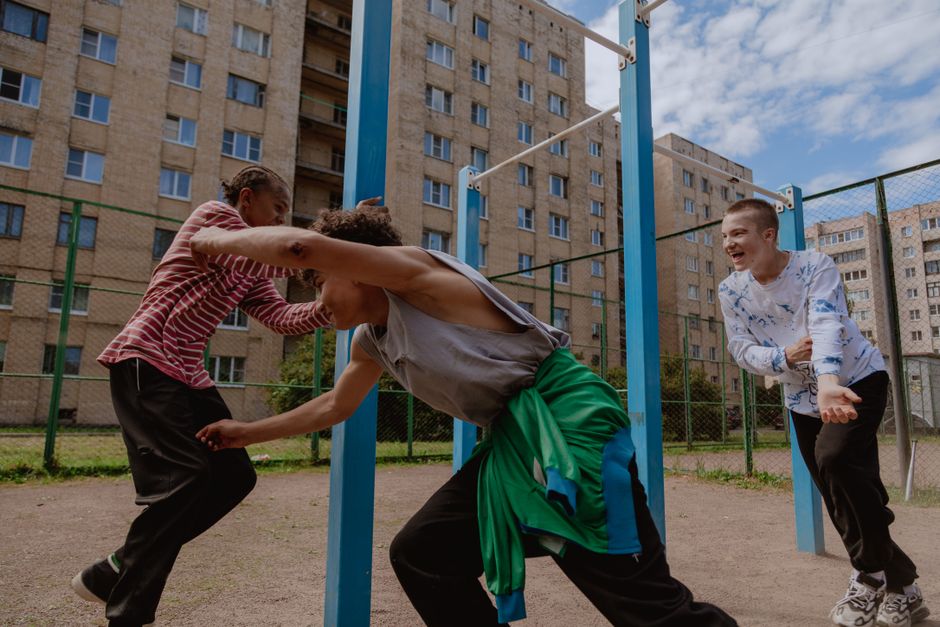
For many young people today, the rhythm of daily life is defined by a binary existence: the home and the classroom. While these first and second spaces are essential for rest and academic development, they often fail to provide the informal, low-pressure social environments required for emotional growth and community building. Sociologist Ray Oldenburg coined the term third spaces to describe these vital social environments that exist outside the home and the workplace. In recent years, however, we have witnessed a concerning trend—the death of third spaces—leaving a void that is increasingly filled by [digital](https://t10family.com/en/digital-literacy-for-gen-z-navigating-social-media-healthily/) platforms. As youth loneliness reaches epidemic levels, the revival of physical, community-centric hubs has become a necessity rather than a luxury.
The Architecture of Isolation
The lack of third spaces for teens is not merely an architectural oversight; it is a systemic issue that impacts the developmental trajectory of Gen Z. Historically, town squares, local parks, community centers, and even the corner diner served as the backdrop for adolescent exploration. These were places where one could exist without the pressure to perform, pay for a coffee, or meet a deadline. Today, the privatization of public land and the commercialization of social gathering spots have created a landscape where adolescents are often unwelcome unless they are purchasing something. This barrier to entry effectively pushes youth into the digital realm, where socialization is mediated by screens rather than shared physical experience.
The Digital Paradox
The rise of digital-first socialization has created a complex digital paradox. While Gen Z is arguably the most connected generation in history, they are simultaneously reporting unprecedented levels of isolation. Digital interaction lacks the sensory depth and spontaneous connection found in physical third places. When social interaction is entirely curated through apps, the nuance of body language, the comfort of presence, and the serendipity of meeting a neighbor are lost. This shift toward the virtual has contributed to the decline of local community bonds, making it harder for young people to establish a genuine sense of belonging.
Why We Need Third Spaces for Adolescent Development

The importance of third spaces and loneliness cannot be overstated. Research consistently shows that access to neutral ground—where individuals can gather on equal footing—is linked to improved mental health and higher levels of civic engagement. For a teenager, a third space acts as a laboratory for identity formation. In these spaces, youth can interact with peers from different backgrounds, navigate social hierarchies without the surveillance of parents or teachers, and develop a sense of autonomy.
Designing for Inclusion
Effective third spaces must be free from the pressure of consumption. When a place requires a transaction to enter, it inherently excludes those with limited financial resources. True third spaces Gen Z needs are those that prioritize accessibility and safety. Whether it is a renovated library, a youth-run community garden, or a public skate park, the environment must be designed to welcome young people as active participants in their community rather than passive consumers of space.
The Consequences of Disappearing Hubs
When we look at why we need third spaces, we must also consider the consequences of their absence. The death of third spaces has forced teenagers into “liminal” zones—parking lots, transit hubs, or private bedrooms—where they lack the support structures necessary to process the complexities of growing up. This isolation exacerbates the mental health crisis currently facing the youth population. Without a physical place to congregate, the “community” is fragmented, leaving the individual to feel like an island in a sea of digital noise.
| Feature | Commercial Space (Café/Mall) | True Third Space (Library/Park/Hub) |
|---|---|---|
| Cost of Entry | High (requires purchase) | Zero (public access) |
| Social Pressure | High (expectation to buy) | Low (spontaneous interaction) |
| Duration of Stay | Limited | Unlimited |
| Community Focus | Individualistic | Collective |
Frequently Asked Questions
Why are third spaces disappearing?
The disappearance of these spaces is largely driven by the privatization of public land, rising commercial rents, and a shift in urban planning that prioritizes commercial efficiency over communal well-being. Additionally, the rise of digital entertainment has reduced the perceived demand for physical gathering places, leading to the defunding of libraries, parks, and youth community centers.
Why are third spaces important for teens?
For adolescents, these spaces provide a vital break from the rigid structures of home and school. They offer a safe environment to practice social skills, build friendships outside of established cliques, and develop a sense of identity that is independent of their academic performance or family dynamics.
What happened to the third place?
Many traditional third places have been replaced by commercial enterprises that require payment for access, such as expensive coffee shops or subscription-based fitness centers. Others have simply been lost to urban development or have failed to adapt to the changing needs of the modern youth, remaining stagnant while the world around them becomes increasingly digital.
How do third places affect mental health?
Regular access to physical third places is linked to reduced feelings of loneliness and anxiety. These environments foster a sense of belonging and social support, which are critical protective factors against depression. By providing a low-pressure setting for interaction, they help youth build the social capital necessary to feel integrated into their local community.
The Path Forward: Reclaiming Community
Reviving the concept of the third space is an essential step in addressing the youth loneliness epidemic. This process requires a multi-faceted approach involving urban planners, local government, and community organizers. We must move beyond the idea that social interaction is something that happens exclusively online and recognize that the physical environment plays a fundamental role in how we perceive ourselves and our neighbors. By investing in affordable, accessible, and non-commercial hubs, we can create environments where young people feel seen, heard, and valued.
The goal is to create a culture that views the third space not as an optional amenity, but as a core component of public health. When we prioritize the creation of these hubs, we are not just building physical structures; we are building the foundation for a more resilient, connected, and mentally healthy generation. The revival of these places is an invitation for Gen Z to step out of the digital void and into the vibrant, messy, and rewarding reality of community life.