
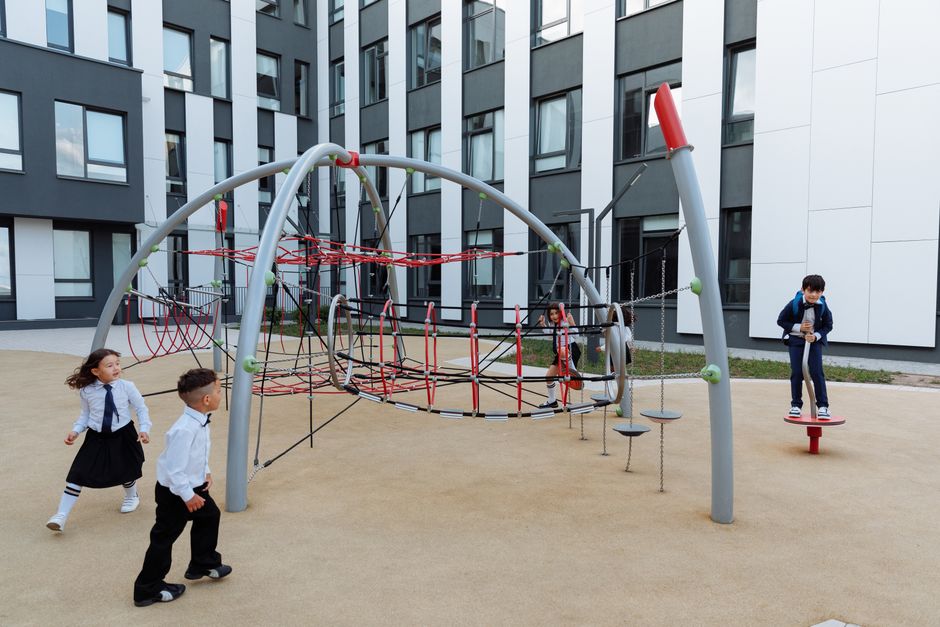
The modern landscape of childhood is evolving rapidly, with digital immersion often competing with traditional outdoor recreation. However, a new wave of innovation is transforming public spaces into kinetic playgrounds, where technology acts as a catalyst rather than a distraction. By blending the physical demands of traditional equipment with the engagement of digital interfaces, these spaces are successfully fostering physical literacy in children. This evolution in design ensures that playgrounds remain relevant, exciting, and essential for the holistic development of the next generation.
The Evolution of the Modern Playground
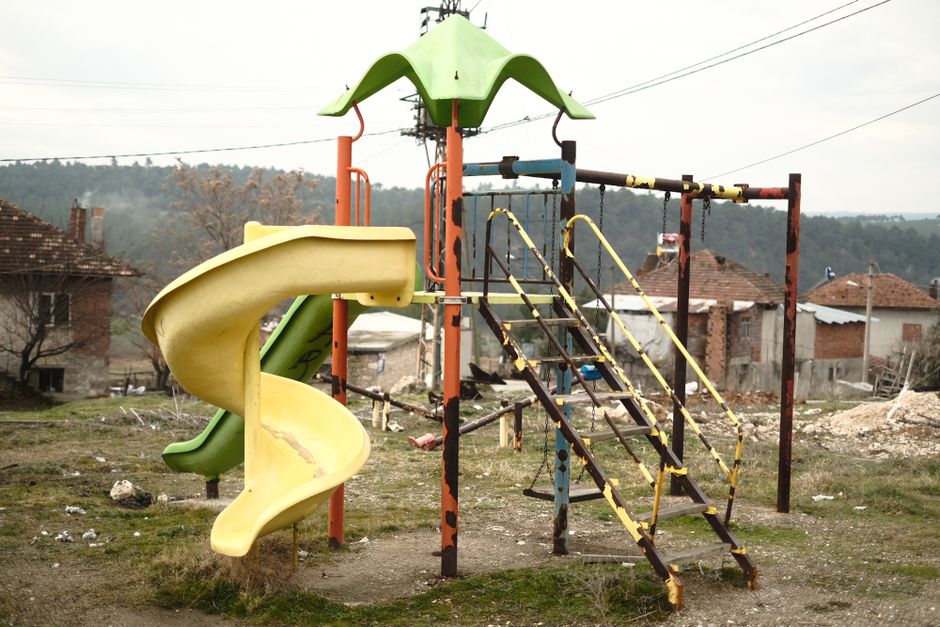
For decades, the standard playground relied on static structures: swings, slides, and climbing frames. While these remain foundational for motor skill development, the modern child is increasingly drawn to the dynamic, responsive world of screens. Kinetic playgrounds bridge this gap by integrating interactive technology directly into the play environment. This is not about replacing the physical act of running or jumping with a tablet, but rather using motion sensors, augmented reality, and light-based feedback to make movement feel like a rewarding game.
Technology as a Motivator
One of the primary challenges in promoting physical literacy is keeping children engaged long enough to reap the benefits of exercise. Interactive playground equipment solves this by providing immediate feedback. When a child touches a sensor or completes a movement-based challenge, they receive visual or auditory rewards. This gamification turns a simple sprint across the park into an adventurous quest, encouraging children who might otherwise prefer sedentary screen time to remain active for longer periods.
Building Physical Literacy Through Kinetic Play

Physical literacy is the motivation, confidence, physical competence, knowledge, and understanding to value and take responsibility for engagement in physical activities for life. Kinetic playgrounds support this by offering diverse challenges that cater to different skill levels and interests. Unlike static equipment, which often has a single intended use, interactive systems can be updated with new game modes, ensuring that children are constantly presented with new movement patterns that challenge their agility, coordination, and stamina.
The Role of Motion-Sensor Panels
Motion-sensor panels are perhaps the most common form of interactive technology found in contemporary playgrounds. These panels can track speed, reaction time, and precision. By requiring children to move between different points to activate lights or sounds, these systems force them to practice lateral movement, acceleration, and deceleration. This creates a high-intensity environment where children are so focused on the game objective that the physical exertion becomes secondary, allowing them to build endurance without the fatigue associated with repetitive exercise.
Augmented Reality and Scavenger Hunts
Augmented reality (AR) adds a layer of narrative to the playground. By using AR-enabled scavenger hunts, designers encourage children to explore the entire footprint of the play area. This movement is purposeful; it requires navigation, spatial awareness, and consistent motion. By turning the playground into a digital map, children are incentivized to climb, reach, and run to unlock the next part of the story, effectively turning the entire park into a kinetic, immersive experience.
Balancing Tech and Tradition
While the benefits of interactive playgrounds are clear, it is essential to maintain a balance. The goal is for technology to facilitate, not dominate, the experience. If the digital element requires too much standing still or staring at a screen, the core benefits of physical play—such as social interaction and gross motor development—can be lost. Designers and educators agree that the best play experiences are those where the technology is invisible or peripheral to the physical activity happening in the space.
Best Practices for Integration
To ensure that these spaces serve their intended purpose, planners should focus on a few key design principles. First, the technology should always require full-body movement. Second, it should encourage cooperative play, where children must work together to achieve a high score or complete a challenge. Finally, the equipment must remain durable enough to withstand the rigors of outdoor use, ensuring that the kinetic experience is always available to the community.
| Feature Type | Physical Benefit | Digital Engagement |
|---|---|---|
| Motion-Sensor Panels | Agility, reaction time, lateral movement | Visual/auditory feedback loops |
| AR Scavenger Hunts | Endurance, spatial awareness, exploration | Narrative-driven exploration |
| Kinetic Energy Tiles | Balance, core strength, coordination | Interactive light patterns |
Frequently Asked Questions
How does play help children’s physical development?
Play is the primary vehicle for physical development in children. It allows them to refine gross motor skills, such as running, jumping, and climbing, while also developing fine motor skills through manipulation of objects. Regular physical play helps build cardiovascular health, strengthens muscles and bones, and improves proprioception—the body’s ability to sense movement, action, and location. Furthermore, it establishes the foundation for a healthy lifestyle, helping children develop the coordination needed for organized sports and daily activities.
What are some interactive games for kids?
Interactive games for children often blend traditional movement with digital triggers. Examples include “Light Chasing,” where children run to tap illuminated sensors on different pieces of playground equipment; “Musical Movement,” where motion sensors play different notes based on how fast a child moves or swings; and “Digital Tag,” where a central hub tracks movement and signals participants to run to specific “safe zones” within the park. These games are designed to keep heart rates elevated while providing a sense of achievement through digital scoring.
What are some fun physical activities for kids?
Beyond traditional playground equipment, fun physical activities include obstacle courses that require crawling, balancing, and leaping. Scavenger hunts, whether digital or physical, are excellent for promoting sustained movement. Group activities like relay races, tag variations, and dance-based movement games are also effective. The key is to introduce variety so that children engage different muscle groups and develop a broad range of physical capabilities, ensuring they stay interested and motivated.
What are some fun physical games for kids?
Classic games that have been updated for modern settings include “Capture the Flag” using sensor-based flags, “Freeze Dance” using motion-sensing technology to detect movement, and relay races where teams must complete physical tasks at various stations to progress. These games are highly effective because they incorporate social competition, which naturally increases the intensity of physical effort. By adding a layer of technology, these traditional games become more engaging for children who are accustomed to interactive digital media.
Conclusion
The integration of interactive technology into playgrounds represents a significant step forward in the promotion of physical literacy. By meeting children where they are—in a world shaped by digital connectivity—we can entice them to step outside and engage their bodies in meaningful ways. When designed thoughtfully, kinetic playgrounds provide a seamless blend of fun and exercise, ensuring that children develop the skills, confidence, and motivation to remain active throughout their lives. As we continue to refine these spaces, the focus must remain on the child’s experience, using technology as a tool to inspire movement, foster social connection, and celebrate the pure joy of active play.