

For years, the narrative surrounding Gen Z and Alpha has been dominated by screens, algorithms, and the [digital](https://t10family.com/en/digital-literacy-for-gen-z-navigating-social-media-healthily/) isolation of the pandemic era. However, a quiet revolution is taking place in our cities and towns. Young people are increasingly rejecting the digital-only social experience, choosing instead to step outside and occupy the physical world. This movement, often referred to as the third space renaissance, represents a fundamental shift in how youth interact with their built environment. By reclaiming public squares, parks, and community centers, young people are not just looking for a place to hang out; they are actively rebuilding the social fabric that was frayed by years of isolation and hyper-commercialization.
Understanding the Concept of the Third Space
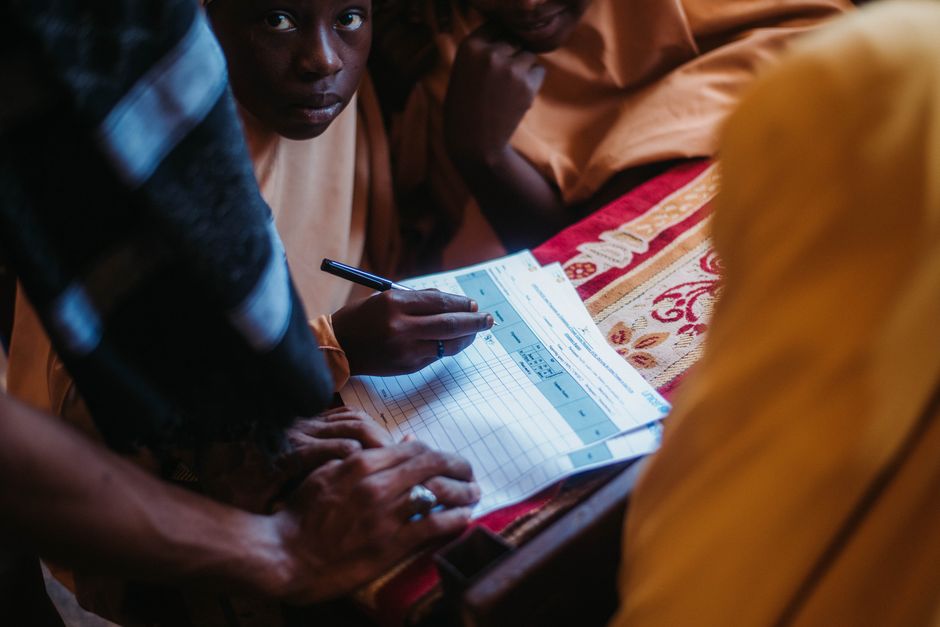
To understand why this movement is gaining momentum, we must first define what is a third space. Coined by urban sociologist Ray Oldenburg in 1989, the term refers to social environments that are distinct from the two primary environments of our lives: the home, which is our first space, and school or work, which serves as our second space. A true third space is a neutral ground where individuals can gather, engage in conversation, and exist without the pressure of productivity or the necessity of spending money.
The Pillars of a Third Space
Oldenburg identified several defining characteristics of these environments. They are typically accessible, welcoming, and characterized by a playful mood. Most importantly, they are non-transactional. In a world where every square foot of urban space seems designed to extract profit—from high-priced coffee shops to ticketed entertainment venues—the third space renaissance is defined by the demand for areas where youth do not need to pay for the privilege of existing.
The Lack of Third Spaces for Teens
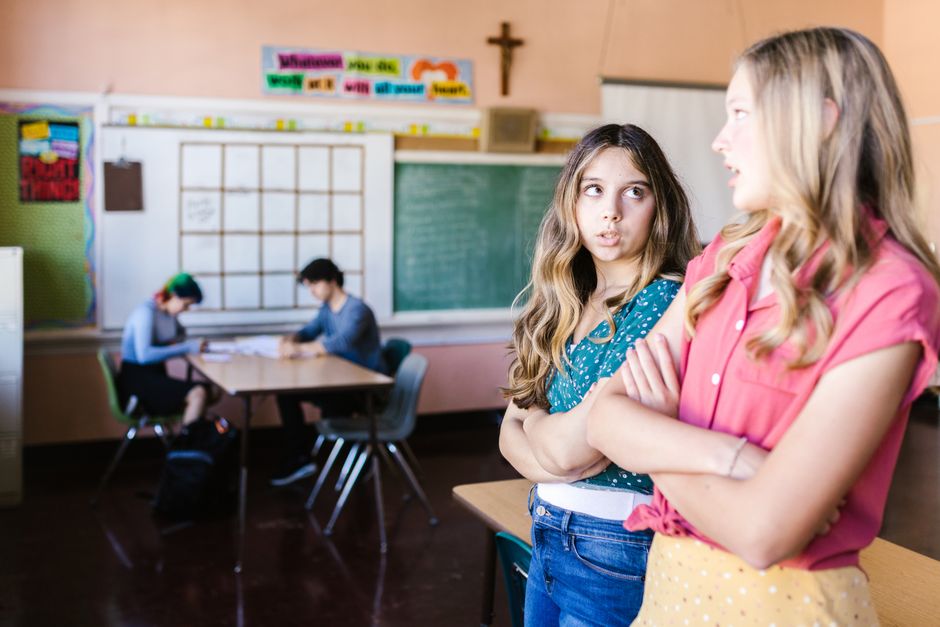
The current crisis of youth loneliness is deeply linked to the physical design of our neighborhoods. For decades, urban planning has favored private consumption over public accessibility. As a result, the lack of third spaces for teens has become a structural issue. Many suburban environments are designed for cars rather than pedestrians, and urban centers often implement hostile architecture—such as benches with dividers or anti-loitering policies—that explicitly discourages youth from gathering.
The Cost of Commercialization
When public spaces are privatized, young people are pushed into retail environments like malls. However, malls are transactional by nature; they require a purchase to justify one’s presence. When youth cannot afford to participate in this consumption-based social culture, they are effectively pushed out of the public sphere. This exclusion forces them back into the digital realm, creating a cycle of isolation that researchers are only now beginning to quantify.
Why Youth Are Reclaiming Public Squares
The third space renaissance, why youth are reclaiming public squares, is a direct response to these pressures. This is not merely about finding a place to sit; it is a form of civic engagement. By occupying public plazas, parks, and community gardens, youth are asserting their right to the city. This reclamation is often visible through spontaneous creative performance, political expression, and the formation of grassroots community hubs.
Bridging the Digital and Physical Divide
Interestingly, the internet has played a role in facilitating this physical return. Social media platforms are now being used to organize meetups in real-world locations. Youth are using digital tools to coordinate skate sessions, outdoor art collectives, or simply to find spots where they can exist without being surveilled or moved along by security. The third space renaissance why youth are reclaiming public squares quiet (or rather, the quiet determination behind it) suggests that the goal is to create authentic connections that digital platforms simply cannot replicate.
The Importance of Non-Transactional Environments
Why we need third spaces is a question of public health and social development. Adolescence is a formative period for identity, and this identity is shaped by the ability to interact with peers outside the structured hierarchy of a classroom or the private confines of a home. Third spaces for teens near me are often difficult to find, but their presence is essential for fostering independence and social skills.
A Table of Social Environments
| Space Type | Primary Function | Cost/Transaction | Youth Autonomy |
|---|---|---|---|
| First Space (Home) | Rest and Privacy | None | Limited by family |
| Second Space (School) | Productivity/Learning | Institutional | Controlled by authority |
| Third Space (Public) | Socializing/Expression | Free or Low Cost | High |
Frequently Asked Questions
Why are third spaces important for teens?
Third spaces provide the autonomy necessary for social development. They allow youth to practice interpersonal skills, build friendships, and develop a sense of community identity outside of the rigid structures of school and home. These environments act as a “pressure valve” for the stresses of academic life.
Why are third spaces declining?
The decline is primarily due to the rise of car-centric urban design, the privatization of public land, and the “retailization” of social life. Many areas that were once communal have been replaced by commercial interests that prioritize paying customers over public access, while security concerns have led to the implementation of restrictive policies in public parks and squares.
Why is everyone talking about third spaces?
The conversation has spiked because of the post-pandemic realization that digital connectivity cannot replace physical presence. As youth loneliness rates hit historic highs, society is beginning to recognize that our built environment is a key determinant of mental health. The discourse is now shifting from how we use screens to how we design our cities.
Do third spaces still exist?
Yes, but they are often hidden or under-resourced. They exist in the form of libraries, community-run youth centers, public parks, and even skate parks. The current trend is not about inventing them from scratch, but rather identifying and protecting the remaining spaces while advocating for more inclusive urban planning that welcomes youth as legitimate users of public land.
Conclusion
The third space renaissance is a powerful indicator that the next generation is not content with a life mediated entirely through digital interfaces. By reclaiming public squares and demanding access to physical communal areas, young people are effectively redesigning the social contract. To support this, urban planners, municipal leaders, and local communities must shift their focus. We must stop viewing youth as a nuisance in public spaces and start seeing them as essential participants in the life of our cities. Providing accessible, safe, and non-transactional environments is not just a favor to our youth; it is an investment in a more connected, resilient, and democratic future. When we create spaces where young people can thrive, we create a better society for everyone.