
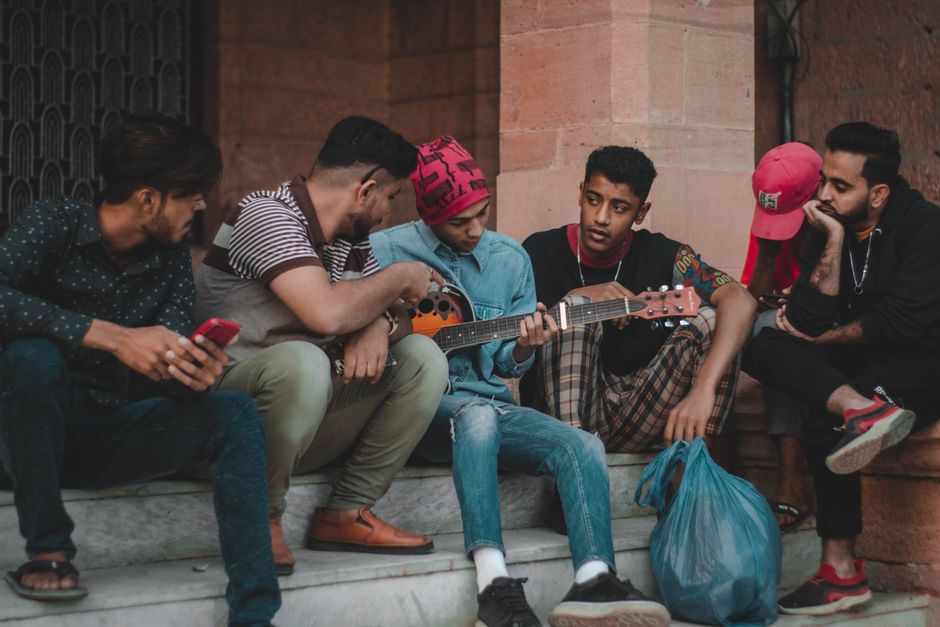
In an era defined by [digital](https://t10family.com/en/digital-detox-camps-for-teens-why-unplugging-is-essential/) hyper-connectivity, a paradoxical trend has emerged: young people are feeling more isolated than ever. As the physical landscape of our cities shifts toward commercialization and screen-based entertainment, the traditional hubs of social cohesion have begun to disappear. However, a quiet revolution is underway. Young adults and teenagers are reclaiming the concept of a third space, breathing new life into public libraries, community centers, and neglected urban corners. This renaissance is not merely about finding a place to sit; it is a fundamental reclamation of the social infrastructure required for healthy development, mental well-being, and community resilience.
Understanding The Third Space Theory

To grasp why this movement matters, we must first look at The Third Space theory, popularized by sociologist Ray Oldenburg. In his framework, the first space is the home, and the second space is the workplace or school. These are environments governed by obligations, hierarchies, and specific productivity expectations. A third space, by contrast, is a social environment separate from the two usual social environments of home and the workplace. These are the anchors of community life, characterized by accessibility, inclusivity, and a lack of pressure to perform or spend money.
For youth, these spaces are vital. They provide a neutral ground where social leveling occurs. When a teenager walks into a community center or a library, their status as a student or a child is secondary to their status as a community member. This autonomy is crucial for identity formation. Without these environments, the transition from adolescent dependence to adult independence becomes significantly more difficult, as there is no “middle ground” in which to practice social interaction, leadership, and spontaneous collaboration.
The Crisis of Disconnection
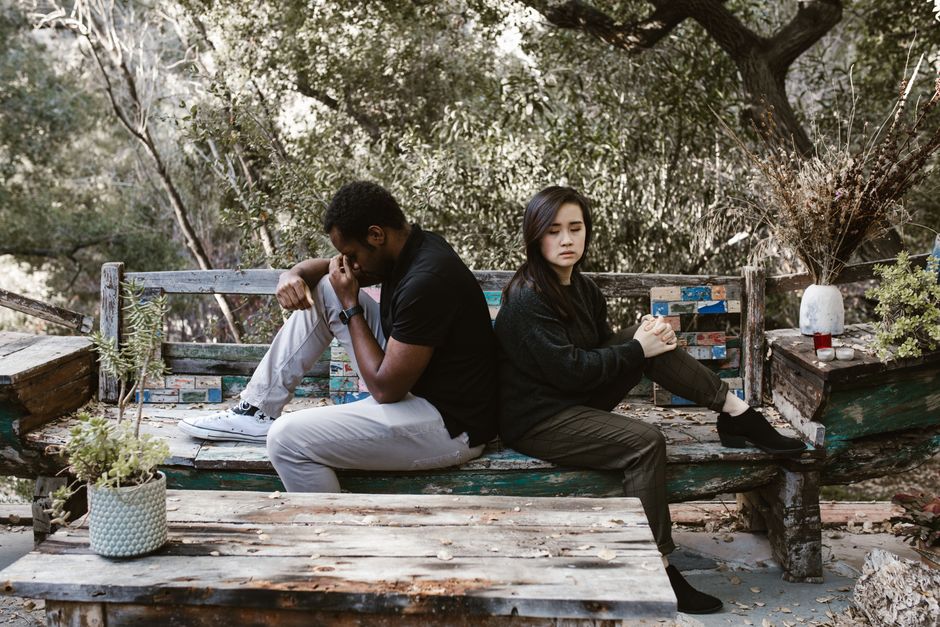
The urgency behind the current revival of third spaces is rooted in a growing public health crisis. The U.S. Surgeon General’s 2023 advisory regarding youth loneliness was a watershed moment, formally recognizing that social isolation is not just a personal struggle but a national concern. Data from the 2024 Pew Research Center report underscores the severity of this issue, revealing that one in three teens reports feeling lonely most or all of the time. This is not a coincidence; it is a direct consequence of the shrinking availability of public gathering spots.
Dr. Lisa Damour, a prominent clinical psychologist, has noted that teens are inherently social creatures. When they lose access to traditional gathering spots like malls, parks, or community centers, the resulting vacuum is often filled by digital platforms that provide the illusion of connection without the physiological benefits of physical presence. The lack of quality public places—as noted by 45% of Americans in recent surveys—means that youth are increasingly tethered to their bedrooms, leading to higher rates of anxiety and depression.
Libraries: The New Hub of Community Engagement
Perhaps the most significant development in this movement is the library third space. Historically viewed as quiet repositories for books, modern libraries are being reimagined as dynamic, multi-purpose community hubs. This shift is driven by a realization that libraries are among the last remaining indoor spaces where one is not expected to purchase anything to exist there.
Today’s forward-thinking libraries are integrating makerspaces, gaming lounges, and collaborative study rooms that cater specifically to the needs of young adults. By hosting workshops, open-mic nights, and community organizing meetings, these institutions are moving beyond their traditional mandate. They are providing the resources that third spaces for young adults need to thrive, such as high-speed internet, professional development tools, and, most importantly, a safe environment for unstructured play and interaction.
The Role of Education and Campus Life
The renaissance is not limited to municipal facilities. Third spaces on college campuses are also undergoing a radical transformation. Universities are realizing that academic success is inextricably linked to social integration. Students who find “third” zones outside of their dorms and lecture halls—such as student unions, repurposed common areas, or campus gardens—report significantly higher levels of satisfaction and retention.
These spaces on campus serve as a bridge between the rigid structure of the classroom and the outside world. By designing these areas to be flexible and welcoming, universities are creating environments that foster soft skills. Leadership, conflict resolution, and communication are rarely taught in a textbook; they are learned through the friction and flow of casual social interaction in these communal environments.
Comparing Traditional vs. Modern Third Spaces
| Feature | Traditional Third Space | Modern Third Space |
|---|---|---|
| Primary Purpose | Passive lingering | Active creation and collaboration |
| Accessibility | Limited by geography | Hybrid (physical and digital access) |
| Inclusivity | Often exclusionary/private | Publicly funded/open to all |
| Youth Focus | Minimal/Peripheral | Central to design and programming |
Why The Rise of Third Spaces is Non-Negotiable
The push for more and better third spaces is not just about nostalgia; it is about future-proofing our society. When we invest in these spaces, we are investing in the “soft infrastructure” of our communities. The benefits are measurable and profound:
- Mental Health Support: Unstructured play and social support networks are proven buffers against stress and anxiety.
- Skill Development: These spaces act as laboratories for leadership and collaboration, preparing youth for the complexities of the modern workforce.
- Social Cohesion: By bringing diverse groups of young people together, these spaces help break down socio-economic barriers and foster a sense of shared civic responsibility.
Frequently Asked Questions
What exactly qualifies as a third space?
A third space is any physical location that is not your home (first space) or your workplace/school (second space). It must be accessible, inclusive, and allow for regular, voluntary social interaction without the necessity of spending money.
Why are libraries becoming the primary choice for youth?
Libraries are uniquely positioned because they are public, neutral, and increasingly tech-forward. They offer the infrastructure (Wi-Fi, equipment) that youth need while maintaining a welcoming atmosphere that does not demand commercial patronage.
Can digital platforms serve as third spaces?
While digital platforms offer connection, they generally lack the “third place” criteria of physical presence and spontaneous, non-curated social interaction. Digital spaces are often filtered, whereas physical spaces allow for the messy, authentic human contact that is essential for social development.
How can youth advocate for more of these spaces in their own towns?
Youth can advocate by attending local city council or library board meetings to articulate the need for safe, accessible gathering spots. Participating in surveys, joining community committees, or even organizing youth-led events in existing public spaces can demonstrate the demand and encourage local government investment.
Conclusion
The rise of third spaces is a testament to the resilience and social intelligence of today’s youth. They are identifying a void in the modern landscape and actively working to fill it with meaning, connection, and community. Whether it is transforming a basement of a library into a creative studio or repurposing a vacant lot into a community garden, the youth-led revival of these spaces is a necessary corrective to the isolation of the digital age. By supporting and expanding these third spaces, we are not just providing a place for young people to hang out; we are building the foundation for a more connected, empathetic, and mentally healthy generation. The renaissance of these spaces is a reminder that while the world changes, the human need for a common ground—a place to simply be together—remains constant.