
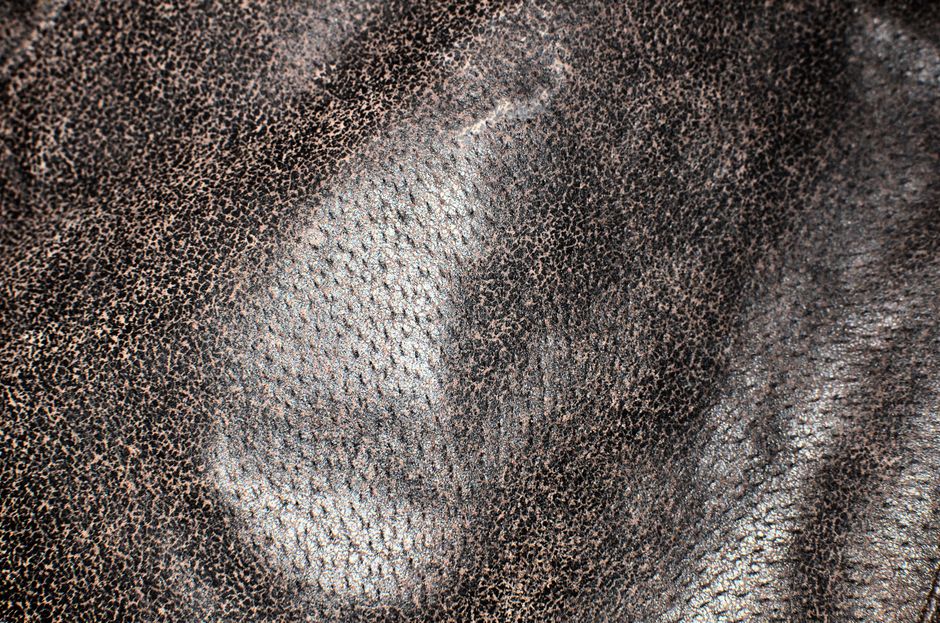
The fashion industry stands at a critical juncture regarding its reliance on traditional animal hides and synthetic, petroleum-based alternatives. Among the most promising innovations to emerge in recent years is mycelium leather, a bio-fabricated material derived from the root structure of fungi. While early prototypes captured the imagination of designers and sustainability advocates alike, the transition from laboratory curiosity to a viable industrial commodity has proven complex. As we evaluate the current landscape, it becomes clear that the challenge of integrating fungal mycelium as a leather alternative is not rooted in the chemistry of the material, but in the daunting economics of capital-intensive biological production.
The Science and Process Behind Mycelium Leather
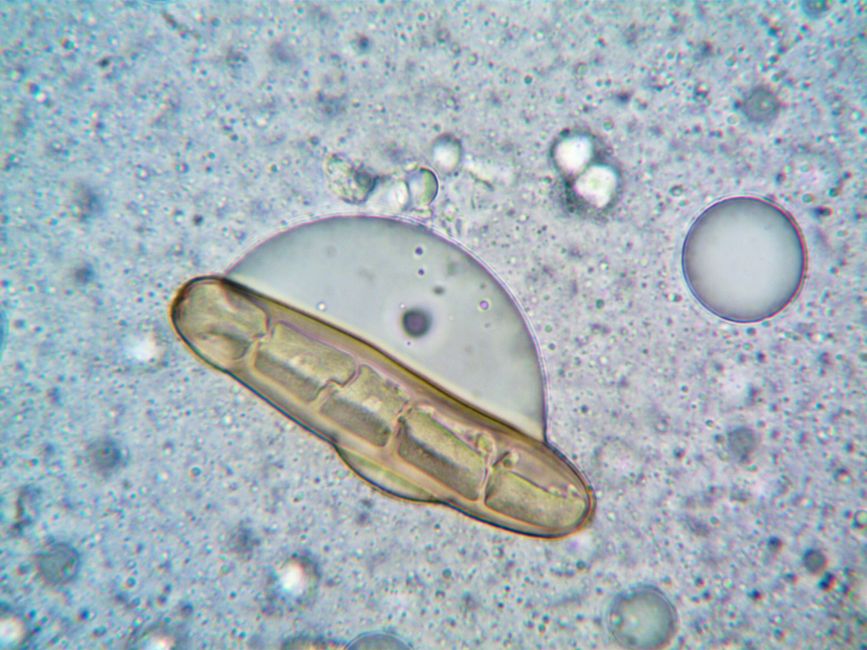
To understand why this material has become the focal point of sustainable fashion, one must first understand the mycelium leather process. Mycelium is the vegetative part of a fungus, consisting of a network of fine white filaments called hyphae. In a controlled laboratory or vertical farming environment, these organisms are grown on organic substrates—often agricultural byproducts like sawdust or hemp hurd. As the mycelium consumes the substrate, it forms a dense, interwoven mat.
Once the mycelium reaches a specific density, it is harvested. The subsequent steps involve specialized tanning and finishing processes, which are critical to transforming a raw biological mat into a material that mimics the hand-feel, durability, and aesthetic of traditional leather. This process is inherently circular, often utilizing waste streams to create a high-value textile. Unlike synthetic alternatives that rely on plastic polymers, mycelium-based materials offer a unique promise: a low-carbon, biodegradable mushroom material that performs under the rigorous demands of modern fashion.
Commercial Viability and the Scale-Up Reality
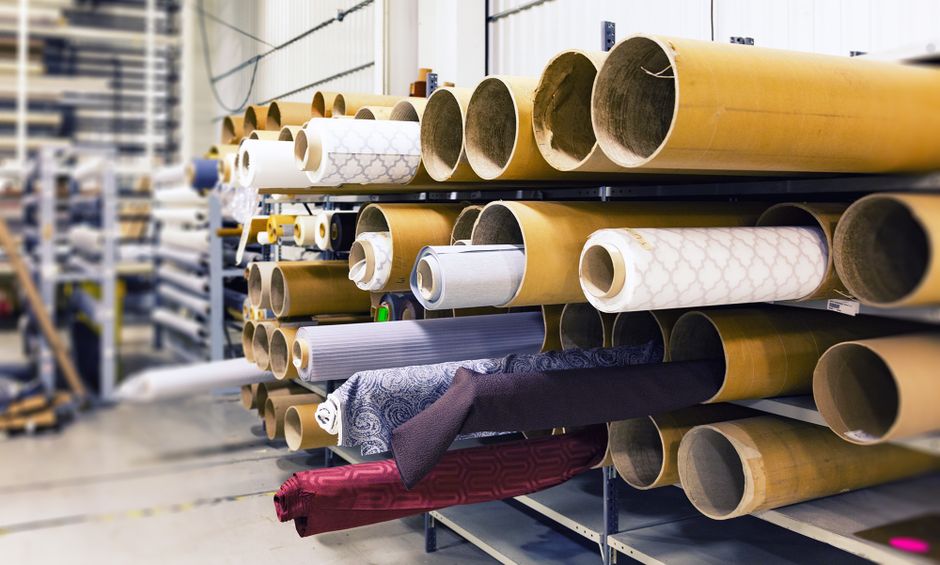
The narrative surrounding mycelium leather has shifted significantly between 2023 and 2025. While many industry observers initially viewed this material as the immediate successor to cowhide, the reality of market economics has forced a more nuanced perspective. The primary hurdle for the industry is not the scientific efficacy of the material, but the high capital intensity required to own and operate biological growing capacity.
Recent industry shifts demonstrate this tension clearly. For instance, in October 2025, MycoWorks announced the closure of its 136,000-square-foot production plant in South Carolina. This was not a failure of the product itself, but a strategic pivot. By moving away from owning massive, capital-heavy growing facilities and instead focusing on external sourcing of mycelium while retaining control over proprietary tanning and finishing technologies, the company is attempting to de-risk its balance sheet. This follows the 2023 closure of Bolt Threads’ production line for its Mylo material. These events serve as a masterclass in the difference between technical success and commercial scalability.
The Economics of Production
The mycelium leather price remains high compared to conventional leather or synthetic counterparts, largely because the cost per square foot is inflated by the overhead of specialized growing environments. Luxury fashion houses have successfully absorbed these costs, integrating mycelium leather products into high-end collections where the unique brand story and sustainability credentials justify a premium price point. However, for mycelium to move into the mass market, the industry must solve the volume-economics gap. The path forward likely involves a hybrid model: decentralized growing where mycelium is cultivated closer to feedstock sources, combined with centralized, high-tech finishing facilities.
| Material Family | Production Method | Primary Constraint |
|---|---|---|
| Mycelium leather | Fungal growth on substrate followed by tanning | Capital intensity of growing capacity |
| Precision-fermented proteins | Microbial fermentation of sugars into fiber | Output scale vs. global demand |
| Regenerated cellulose | Chemical dissolution of textile waste | Feedstock purity and sorting |
Fungal Mycelium as a Sustainable Biogenic Material
When analyzing fungal mycelium as a leather alternative: a sustainable biogenic material for the fashion industry, it is essential to look beyond the hype. The material offers significant environmental advantages, including a reduced carbon footprint and the potential for a circular life cycle. However, a mushroom leather research paper published in recent years often highlights that the sustainability of the material is contingent upon the energy used in the growing environment. If the heating, lighting, and humidity control systems for these bio-factories are not powered by renewable energy, the environmental benefits diminish.
Furthermore, the fashion industry requires consistency. Traditional leather is a commodity with established grading systems, whereas lab-grown materials are still establishing their quality control standards. As the technology matures, we can expect to see more diverse iterations of these materials—some focused on the extreme durability required for footwear, others on the soft, supple textures required for luxury handbags.
Frequently Asked Questions
What is mushroom leather?
Mushroom leather is a sustainable, bio-fabricated material grown from the root structure of fungi, known as mycelium. Through controlled growth cycles, the mycelium forms a dense, fibrous mat that, when tanned and finished, replicates the physical and aesthetic properties of animal-derived leather.
Does mushroom leather last?
Yes, modern mycelium leather is engineered for durability. Because it is a structural network of fungal cells, it possesses inherent tensile strength. However, its longevity depends on the specific finishing and tanning processes applied during manufacturing. When maintained properly, high-quality mycelium products are designed to withstand the wear and tear expected of luxury fashion accessories.
Which brands are using mushroom leather?
Several high-end luxury fashion houses have experimented with or launched collections featuring mycelium-based materials. Brands such as Hermès, Stella McCartney, and Adidas have been at the forefront of this movement, utilizing these materials to create limited-edition accessories and footwear to test consumer appetite and material performance.
Where can I find mycelium leather for sale?
Currently, you can find mycelium leather primarily through high-end luxury retailers and specialized sustainable fashion platforms. Because production volumes are currently limited and the material is often reserved for exclusive, limited-run collections, it is not yet a common feature in high-street or mass-market retail environments.
Conclusion
The journey of mycelium leather from the petri dish to the runway is a testament to the ingenuity of modern material science. While the industry has faced significant headwinds regarding the capital requirements of scaling biological production, these challenges are not insurmountable. They are simply the growing pains of a sector shifting from experimental innovation to industrial reality. Managers and designers who recognize that the future of mycelium lies in efficient supply chain partnerships—rather than the ownership of massive, energy-intensive growing plants—will likely define the next chapter of sustainable fashion. As the technology continues to evolve, mycelium leather is poised to transition from an exclusive luxury novelty into a standard, responsible choice for a fashion industry seeking to decouple its growth from environmental degradation.