

The landscape of haute couture is undergoing a radical metamorphosis. For decades, the industry relied on extraction—mining the earth for minerals, harvesting forests for cellulose, and drilling for petroleum-based synthetics. Today, the most forward-thinking ateliers are shifting toward a regenerative model where the garment is not manufactured, but cultivated. At the heart of this revolution lies mycelium, the root structure of fungi. By harnessing biofabrication, designers are transforming these microscopic networks into high-performance, luxurious materials that challenge the very definition of fashion. This transition represents a critical pivot point where mycelium sustainability moves from a niche experimental concept to the cornerstone of a new, circular luxury economy.
The Biology of Luxury: Why Mycelium Matters
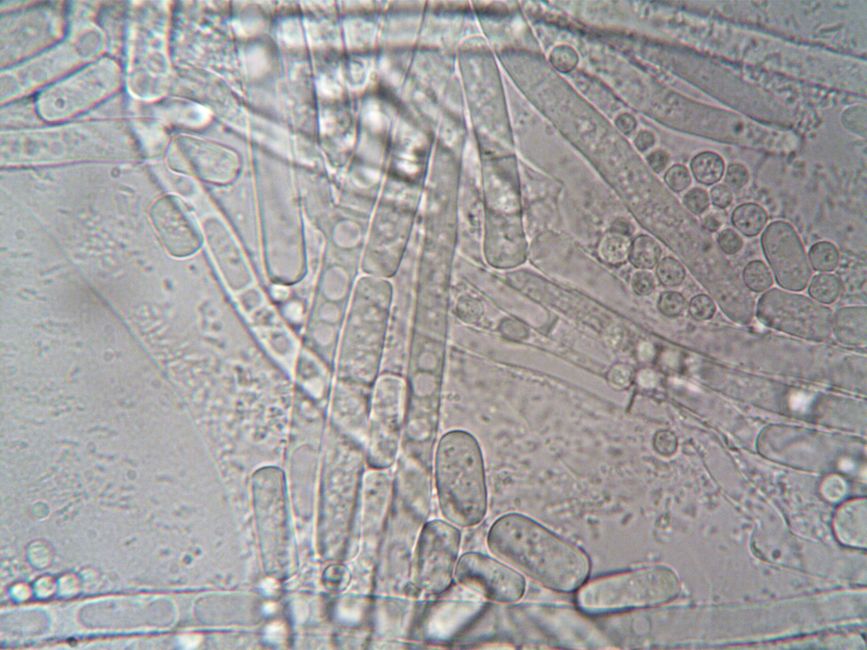
To understand the rise of mycelium-based materials, one must first appreciate the biological efficiency of fungi. Mycelium grows by consuming organic waste—such as sawdust, agricultural byproducts, or husks—and binding them into dense, fibrous mats. When controlled in a laboratory environment, this process allows designers to “grow” textiles into specific shapes, thicknesses, and textures. Unlike traditional animal leather, which requires years of land use and resource consumption, mycelium can be harvested in a matter of weeks with minimal water and zero toxic tanning chemicals.
From Lab to Runway: The Mechanics of Bio Textiles
The integration of bio textiles into high fashion is not merely about replacing leather; it is about expanding the creative palette. Through mycelium composites, designers can engineer materials that possess the supple hand-feel of calfskin or the structural rigidity of architectural foam. These materials are inherently carbon-negative, as they sequester carbon throughout their growth cycle. By utilizing mycelium as a construction material, fashion houses are effectively turning their supply chains into carbon sinks, aligning the aesthetic desires of the runway with the environmental imperatives of the planet.
Bio-Fabricated Character Dressing: The New Avant-Garde
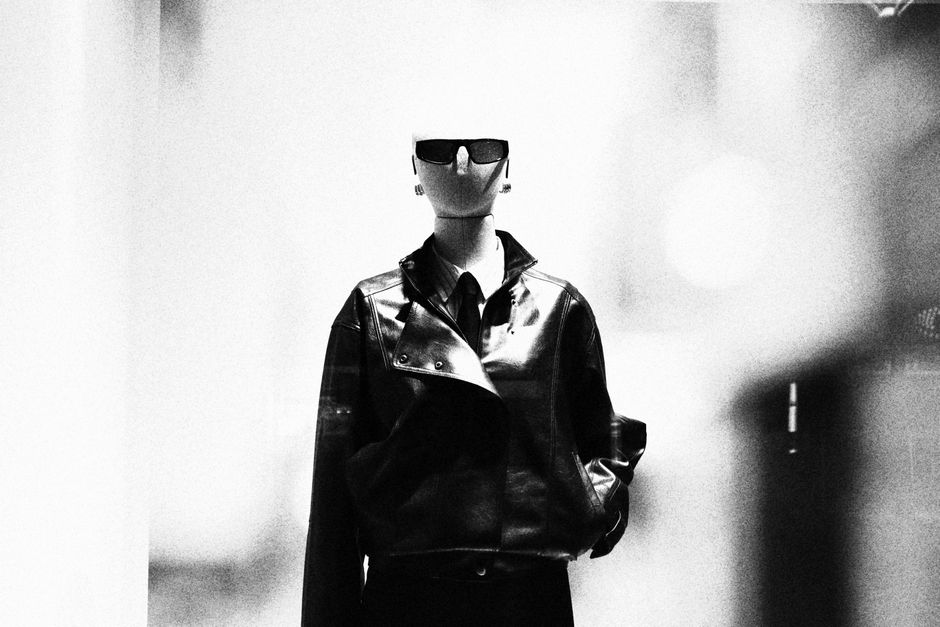
The aesthetic output of these materials has birthed a phenomenon known as Bio-Fabricated Character Dressing. This movement bridges the gap between deep-tech material science and the psychological human need for theatrical self-expression. In an era where “quiet luxury” has dominated the discourse, consumers are increasingly seeking garments that tell a story—not just through a logo, but through the very substance of the fabric.
The Convergence of Tech and Metaphor
We are witnessing a departure from the bland, mass-produced organic cottons of the past. Today’s fashion innovators are using mycelium to create custom-grown silhouettes that eliminate cutting-room waste entirely. This process is complemented by other breakthroughs in material science:
- Seaweed-based biopolymers: These are being spun into threads that provide a fully biodegradable alternative to synthetic microfibers.
- Captured Carbon Yarns: Emerging tech-apparel brands are capturing industrial CO2 emissions and chemically transforming them into high-performance textiles.
- Liquid 3D-Printing: By applying flexible, fluid polymers onto sheer bases, designers are creating holographic, water-like effects that were previously impossible to achieve with traditional weaving.
The Scalability of Mycelium Packaging and Beyond
While haute couture captures the headlines, the impact of fungi extends to the entire retail ecosystem. Mycelium packaging is rapidly becoming the gold standard for luxury goods. Brands that pride themselves on exclusivity are finding that the “unboxing” experience is significantly enhanced when the protective materials are as thoughtfully engineered as the product inside. By replacing expanded polystyrene and plastic film with compostable mycelium, luxury houses are reducing their downstream ecological footprint while maintaining a premium tactile experience.
Frequently Asked Questions
Is it true that 85% of all textiles go to dumps each year?
Yes, global reports consistently indicate that a staggering majority of produced textiles end up in landfills or are incinerated annually. This linear “take-make-waste” model is exactly what mycelium sustainability seeks to disrupt. By introducing biofabrication, the industry aims to move toward a circular model where clothing is designed to be composted or repurposed rather than discarded.
Are there any clothes made from mycelium?
Yes, several luxury fashion houses and innovative startups have already debuted garments made from mycelium. These range from high-end handbags and footwear to structured jackets and accessories. As the technology matures, these items are moving from runway prototypes to commercial collections, proving that mycelium-based materials can meet the rigorous quality standards of the luxury market.
What are the major trends in sustainable fashion expected to emerge in 2026?
The year 2026 is expected to see a shift toward “Bio-Fabricated Character Dressing,” where the origin of the material becomes a primary design feature. We anticipate a surge in “grown-to-order” garments that minimize inventory waste, as well as a greater emphasis on regenerative materials that actively clean the environment during their production. Expect to see more transparency regarding the “carbon history” of garments, with labels providing data on how their bio-synthetic components were sourced.
What is the most sustainable luxury brand?
Sustainability in luxury is a spectrum rather than a single destination. Rather than identifying one brand, it is more useful to look for houses that are investing heavily in biofabrication and circularity. Brands that are leading the charge are those actively integrating mycelium and lab-grown materials into their core collections, rather than using them solely for one-off PR stunts. Look for transparency in supply chain reporting and a commitment to moving away from virgin plastics.
Conclusion: The Future is Grown
The rise of mycelium in haute couture signifies more than just a passing trend; it is a fundamental recalibration of how we value the items we wear. As mycelium-based materials continue to evolve, they offer a path toward a fashion industry that is not only less destructive but actively regenerative. By merging the precision of biofabrication with the artistic ambition of high fashion, we are entering an era where the most luxurious items in our wardrobe are those that work in harmony with the natural world. The future of fashion is not just about what we wear, but how we grow it, and in this new paradigm, fungi are leading the way.