

The global fashion industry stands at a critical juncture. Valued at nearly one trillion USD as of 2021, the sector is a titan of commerce, yet its traditional linear model—take, make, and dispose—has created an environmental crisis. With the rise of fast fashion, which often introduces up to 52 micro-seasons per year, the volume of textile waste has reached unprecedented levels. However, a transformative shift is underway. By moving toward a circular economy, forward-thinking brands and independent designers are discovering that what was once considered “waste” can be transformed into high-end, luxury accessories. This transition not only addresses the urgent need for textile waste management but also unlocks significant economic potential by turning discarded materials into premium market offerings.
The Evolution of Fashion Waste: From Landfill to Luxury
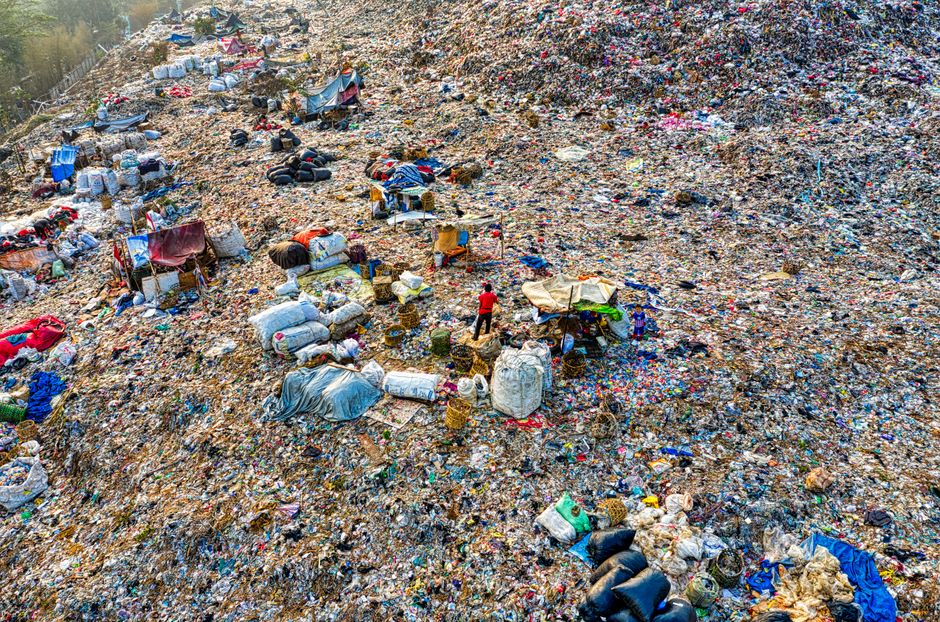
For decades, fabric waste in the garment industry was viewed as an inevitable byproduct of production. Whether it is pre-consumer waste (offcuts from factory floors) or post-consumer waste (discarded garments), the industry has historically relied on landfills for disposal. Global textile waste statistics paint a sobering picture: a staggering amount of fabric is discarded annually, often because fast fashion garments are designed for rapid turnover rather than longevity. This linear approach is increasingly incompatible with both environmental regulations and evolving consumer values.
Upcycling offers a sophisticated solution to this inefficiency. Unlike traditional recycling, which often breaks down fibers into lower-quality materials, upcycling maintains or enhances the value of the original textile. By repurposing high-quality offcuts or vintage fabrics into handbags, wallets, and intricate accessories, designers are successfully decoupling fashion growth from raw material extraction. This approach effectively creates a new value chain where “waste” becomes a premium raw material, providing a unique narrative that resonates with the modern, sustainability-conscious consumer.
The Economic Drivers of the Upcycled Accessories Market
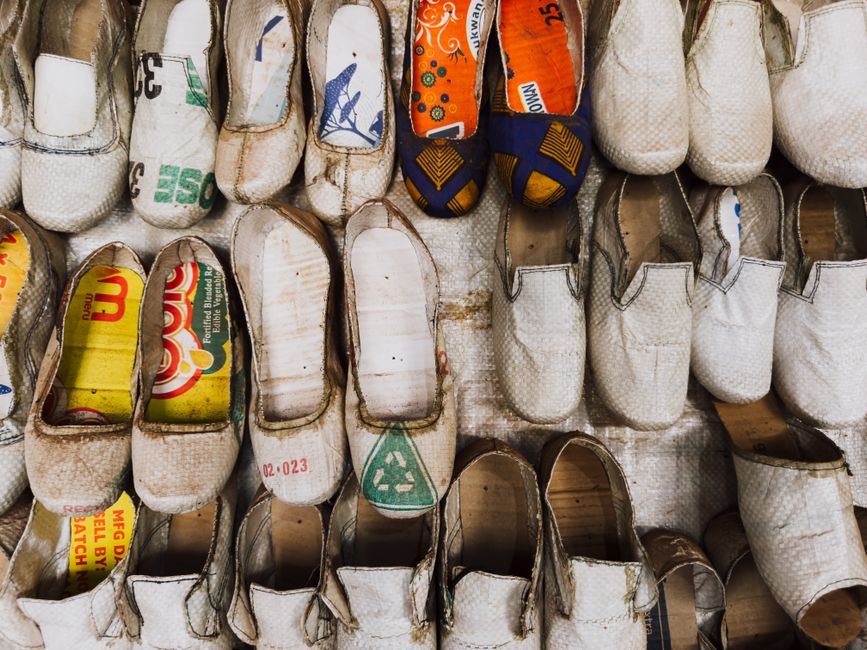
While apparel currently holds the largest share of the fashion market, the accessories segment is forecasted to record the fastest compound annual growth rate (CAGR). This is not a coincidence; accessories are often less constrained by sizing and fit, making them the perfect canvas for creative upcycling. High-end brands are beginning to recognize this potential. For instance, luxury houses like Ferragamo have experimented with capsule collections, such as “Icon-up,” which repurposed existing inventory into limited-edition shoes and belts. These initiatives prove that circular design is not just an ethical choice but a strategic business move.
The Advantages of Pre-Consumer Waste
One of the primary challenges in upcycling is material consistency. Post-consumer waste can be unpredictable in quality and volume, making it difficult to scale for mainstream retail. Conversely, post-industrial or pre-consumer waste—the scraps generated during the manufacturing of new garments—offers a more reliable supply chain. By integrating these scraps into the design process, brands can maintain the high quality expected of luxury goods while simultaneously reducing their environmental footprint. This synergy between industrial efficiency and creative reuse is the cornerstone of a successful circular economy.
Economic Localization and Innovation
Upcycling also fosters economic localization. Because the sourcing of raw materials often occurs near the point of production, it reduces the carbon footprint associated with global logistics. Furthermore, the labor-intensive nature of upcycling creates a demand for specialized craftsmanship. This allows smaller, artisan-led enterprises to thrive by offering unique, high-quality products that cannot be mass-produced by automated machinery. By filling skills gaps and supporting local manufacturing, upcycling serves as a catalyst for local economic development.
Overcoming Barriers to Industry Adoption
Despite the promise of upcycled fashion, the transition is not without obstacles. The industry must grapple with the stigma that repurposed goods are somehow inferior. Marketing these items as “high-end” or “luxury” is essential to shifting consumer perception. Furthermore, designers are often constrained by the availability of materials, which limits the ability to produce large, uniform collections. Addressing these challenges requires a fundamental change in how fashion companies view their supply chains: moving away from a “trend-driven” model toward a “material-driven” model.
Five Ways to Reduce Waste in the Fashion Industry
- Design for Circularity: Prioritize mono-materials and durable construction that allows for easier disassembly and future repurposing.
- Adopt Zero-Waste Pattern Cutting: Use advanced software to minimize fabric offcuts during the garment production phase.
- Implement Take-Back Programs: Create systems where consumers return used items, ensuring they enter a secondary market rather than a landfill.
- Invest in Pre-Consumer Upcycling: Partner with manufacturing facilities to reclaim textile scraps for use in accessories and smaller goods.
- Educate the Consumer: Use transparency to explain the value of upcycled materials, helping to remove the stigma associated with recycled items.
Frequently Asked Questions
Can you legally sell upcycled clothes?
Yes, you can legally sell upcycled clothes, but you must be careful regarding intellectual property. While you can repurpose a branded item, you generally cannot market the item in a way that implies it is an official product of the original brand. It is best practice to label the item as “upcycled” or “reworked” and clearly state that you are an independent creator, not affiliated with the original manufacturer.
Is it true that 85% of all textiles go to dumps each year?
While exact figures fluctuate based on the region and the source of the data, it is widely accepted that a massive percentage of textiles are discarded into landfills or incinerated. The 85% figure is often cited to highlight the catastrophic failure of current textile waste management systems and the urgent need for a shift toward a circular model.
What is the economic impact of the fashion industry?
The fashion industry is a global economic powerhouse, valued at nearly one trillion USD. However, this economic impact is shadowed by significant environmental costs, including high water usage, carbon emissions, and massive volumes of waste. The industry is currently working to reconcile its profitability with the necessity of sustainable, long-term viability.
Is it true that only 1% of used clothes are recycled into new clothes?
Yes, current estimates suggest that only a very small fraction—often cited as around 1%—of used clothing is recycled back into new clothing fibers. Most “recycled” textiles are currently downcycled into lower-value products like insulation, carpet padding, or cleaning rags. Achieving a true circular economy requires significant technological investment to make fiber-to-fiber recycling more efficient and scalable.
Conclusion
The transformation of fashion waste into high-end accessories represents more than just a creative trend; it is a vital evolution for an industry facing the consequences of its own rapid expansion. By embracing upcycling, brands can mitigate the environmental impact of fast fashion and textile waste while tapping into a growing market of consumers who prioritize sustainability and uniqueness. While the path to a fully circular industry requires overcoming significant hurdles in scalability and consumer perception, the economic and environmental rewards are clear. As we look toward the future, the integration of circular principles will likely become the standard for any brand that wishes to remain relevant, profitable, and responsible in the modern era.