
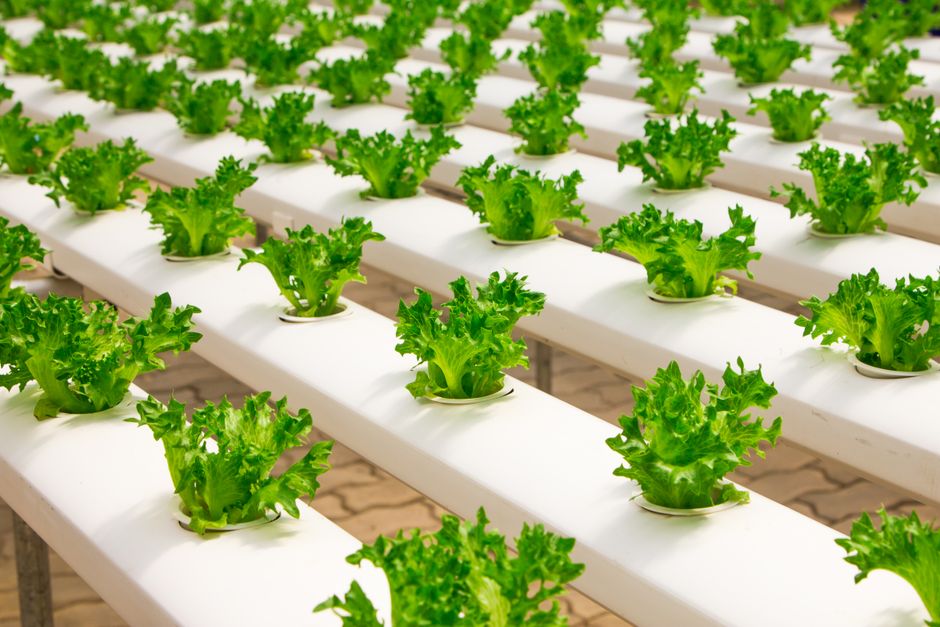
The modern kitchen is evolving from a mere space for food preparation into a hub of self-sufficiency. As urban living spaces shrink, the desire for fresh, pesticide-free produce continues to climb. Integrating a vertical hydroponic garden into your culinary layout is no longer just a trend for hobbyists; it is a sophisticated design choice that maximizes yield in minimal square footage. By leveraging the principles of hydroponic gardening—growing plants without soil using nutrient-rich water—you can transform an unused wall or a neglected corner into a lush, productive micro-garden that serves as both a kitchen feature and a constant source of fresh ingredients.
Understanding Hydroponic Gardening
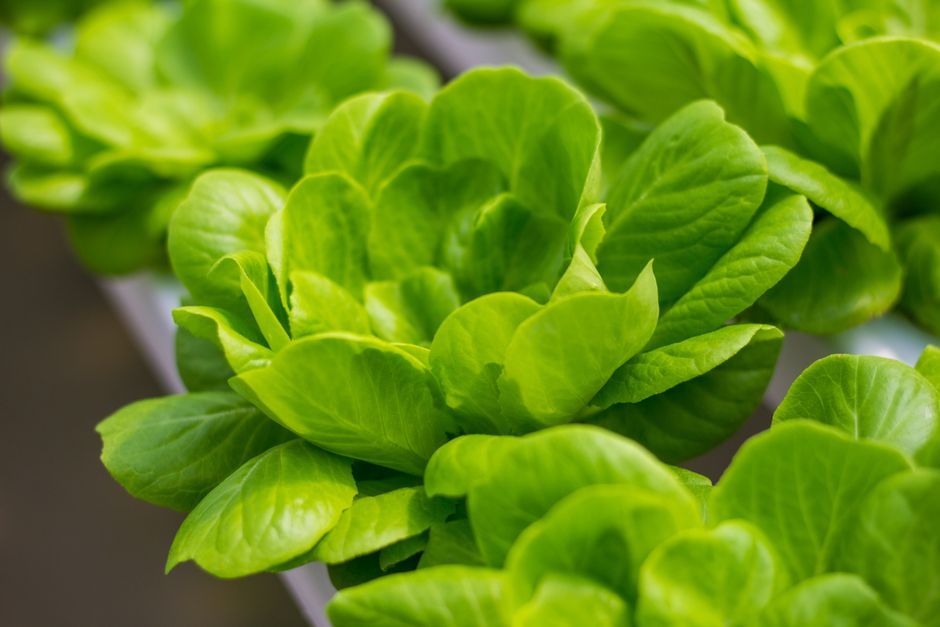
Before selecting your equipment, it is essential to grasp the core of hydroponic systems. At its heart, hydroponics replaces soil with a nutrient-rich water solution. This method is highly efficient because plants do not need to expend energy growing massive root systems to search for nutrients; instead, the nutrition is delivered directly to them. This leads to faster growth rates and higher yields, which is critical when you are working with limited space. Whether you choose a simple static system or a high-tech active circulation setup, the goal remains the same: providing the optimal environment for your plants to thrive indoors.
Choosing the Right Hydroponic System for Your Layout
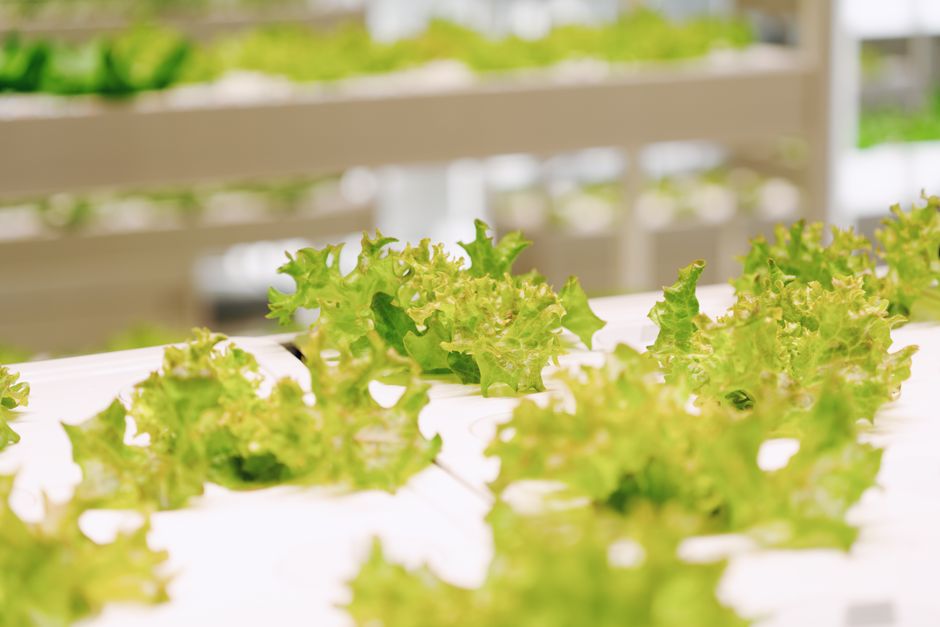
Selecting the correct system depends largely on your kitchen’s architecture and your commitment to maintenance. Here are the primary systems suited for domestic integration:
- Nutrient Film Technique (NFT): This involves a continuous, thin flow of nutrient solution moving through a sloped channel. Because it is lightweight and narrow, it is ideal for mounting under cabinets or along backsplashes.
- Deep Water Culture (DWC): Plants are suspended in net pots with their roots submerged in a reservoir. This is incredibly simple to set up and very quiet, making it perfect for an open-concept kitchen.
- Ebb and Flow (Flood and Drain): This system uses a timer to periodically flood the plant roots with nutrients before draining back into a reservoir. It is highly versatile for various container sizes.
- Aeroponics: This method mists the roots with a nutrient solution while they are suspended in air. It is the most water-efficient system and offers the fastest growth rates, though it requires more precision in pump maintenance.
- Vertical Hydroponics: Utilizing stacked columns or towers, this is the gold standard for small spaces, allowing you to grow dozens of plants in the footprint of a single potted plant.
Key Considerations for Kitchen Integration
When designing your vertical hydroponic layout, you must balance aesthetics with biology. First, consider the proximity to water sources. While hydroponic systems are self-contained, you will need to refill reservoirs periodically. Second, lighting is non-negotiable. Even in a bright kitchen, natural sunlight is rarely sufficient for year-round production. Integrating high-quality LED grow lights directly into your shelving or wall units is the most effective way to ensure consistent food production. Finally, consider humidity and ventilation. A small fan can help prevent mold and ensure that air circulates around the leaves, promoting robust growth.
Layout Ideas for Your Small Kitchen
Compact Tabletop Systems
For those just starting, a tabletop system is the perfect entry point. These kits are designed to fit on standard counters, often featuring built-in LED lights. By placing these near your prep area, you have immediate access to fresh herbs while cooking. Pros: Extremely easy to install, low maintenance, and aesthetically pleasing. Cons: Limited yield due to size constraints; requires frequent water checks.
Vertical Wall Installations
To truly maximize your space, look to your walls. Installing a vertical hydroponic tower or a wall-mounted NFT rack creates a living wall of greens. This is ideal for lettuce, kale, and strawberries. Pros: Maximizes vertical real estate, turns produce into home decor, and provides high yields. Cons: Requires structural wall mounting and potentially more complex plumbing to handle water flow across multiple tiers.
Bookshelf Hydroponics
If you have an empty bookshelf, you have a vertical farm. By installing LED strips under each shelf and placing trays for your hydroponic systems on the tiers, you can create a multi-level garden. This is perfect for microgreens and herbs. Pros: Modular and customizable; easy to reach all levels. Cons: Requires careful management of electrical cords and light distribution.
What Can You Grow in a Vertical Hydroponic System?
Vertical systems are incredibly versatile. You can successfully grow a wide array of leafy greens, including butterhead lettuce, arugula, spinach, and bok choy. Herbs are also excellent candidates; basil, mint, cilantro, and parsley thrive in these setups. For those with larger towers, fruiting plants like strawberries or small cherry tomatoes can be very successful, provided you have the vertical height and adequate light intensity to support the fruit development.
FAQ: Common Questions About Vertical Hydroponic Gardening
What are the downsides of vertical gardening?
The primary downside is the initial setup complexity and cost. Vertical systems often require pumps, timers, and specialized plumbing to ensure water reaches the top tiers. Additionally, there is the risk of water leaks or pump failure, which can be catastrophic for the plants if not monitored. Maintenance can also be more physically demanding as you may need a step stool to access top levels for harvesting or cleaning.
What are three plants that are not recommended for hydroponics?
While most plants can grow in water, some are not practical for small kitchen systems. First, large root vegetables like potatoes or carrots are difficult to manage because they require significant space and media support that standard hydroponic setups do not provide. Second, large vining plants like pumpkins or watermelons are generally too heavy and space-consuming for a vertical indoor setup. Third, woody perennials like fruit trees are not suitable due to their size, root structure, and long maturation periods.
What are the disadvantages of hydroponic gardening?
The biggest disadvantage is the reliance on electricity; if the power goes out, the pumps stop, and the roots can dry out quickly. Furthermore, hydroponic systems require diligent monitoring of pH and nutrient levels. If the water chemistry is off, plants can suffer from nutrient deficiencies or root rot very rapidly, unlike soil, which acts as a buffer. It is a system that requires a higher level of technical engagement than traditional container gardening.
What can you grow in a vertical hydroponic system?
You can grow almost any leafy green or herb. Lettuce, spinach, Swiss chard, kale, and microgreens are the most popular choices due to their fast growth cycles. Herbs like basil, chives, oregano, and mint are also highly productive in these systems. If you have a high-capacity system with strong lighting, you can branch out into strawberries and dwarf varieties of peppers or tomatoes.
Conclusion
Integrating a vertical hydroponic system into your kitchen is a rewarding way to bridge the gap between gardening and culinary art. By moving beyond traditional soil-based methods, you gain the ability to produce nutrient-dense, fresh ingredients right where you need them most. While these systems do require a degree of initial planning and ongoing maintenance, the result is a beautiful, efficient, and highly productive kitchen space. Whether you start with a simple countertop herb garden or commit to a full-scale wall installation, the move toward indoor hydroponics is a sustainable step toward a more connected and delicious lifestyle.