
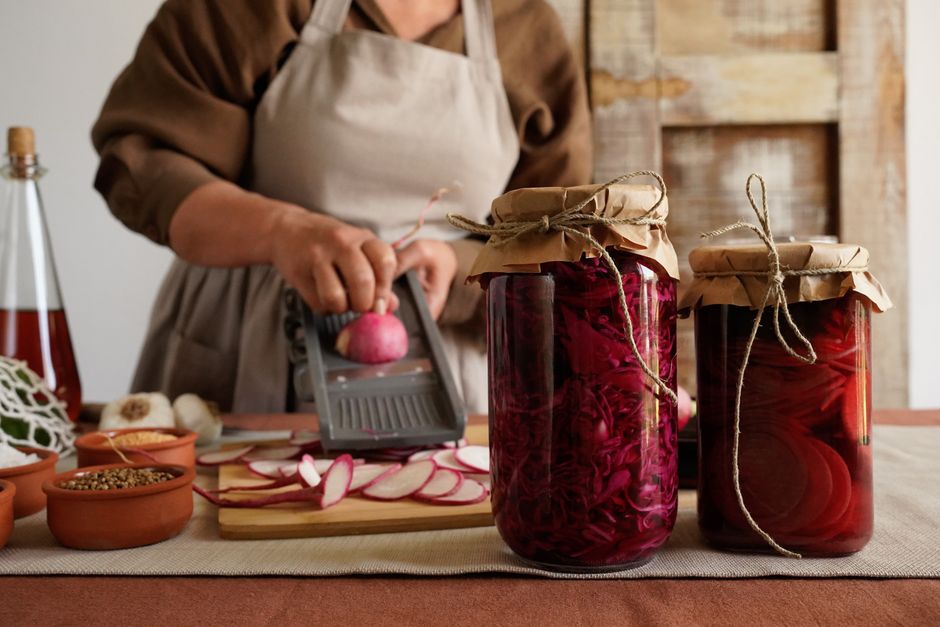
In the modern kitchen, we often view preparation as a process of elimination: peeling, trimming, and discarding parts of produce that seem inedible. However, this habit of discarding skins, cores, and stems contributes significantly to the global challenge of food waste. By shifting our perspective toward a zero waste philosophy, we can transform these overlooked remnants into culinary assets. One of the most effective and ancient methods for achieving this is fermentation. Waste fermentation allows us to harness natural microbial activity to preserve nutrients, enhance flavor profiles, and create probiotic-rich condiments that elevate everyday meals. Embracing these techniques not only reduces your environmental footprint but also connects you to a tradition of resourceful, flavor-forward cooking.
The Philosophy of Zero Waste Fermentation

At its core, zero waste cooking is about maximizing the value of every ingredient that enters your home. When we talk about waste fermentation, we are referring to the intentional use of scraps that would otherwise be destined for the compost bin or the trash. Fermentation is a biological process that converts carbohydrates—such as sugars and starches—into alcohols or acids through the action of bacteria, yeasts, or molds. By applying this process to fruit peels, vegetable cores, or herb stems, we are essentially reclaiming energy and nutrients that would have otherwise been lost.
This approach transforms the kitchen into a laboratory of flavor. Fermentation does not just prevent spoilage; it creates entirely new substances. A bitter onion skin or a fibrous apple core, when introduced to the right environment, develops complex, tangy, and savory notes that can serve as the backbone for dressings, glazes, and sauces. By integrating these practices, you move closer to a truly sustainable kitchen model where the output of one meal becomes the foundational ingredient for the next.
Transforming Fruit Scraps into Probiotic Vinegars
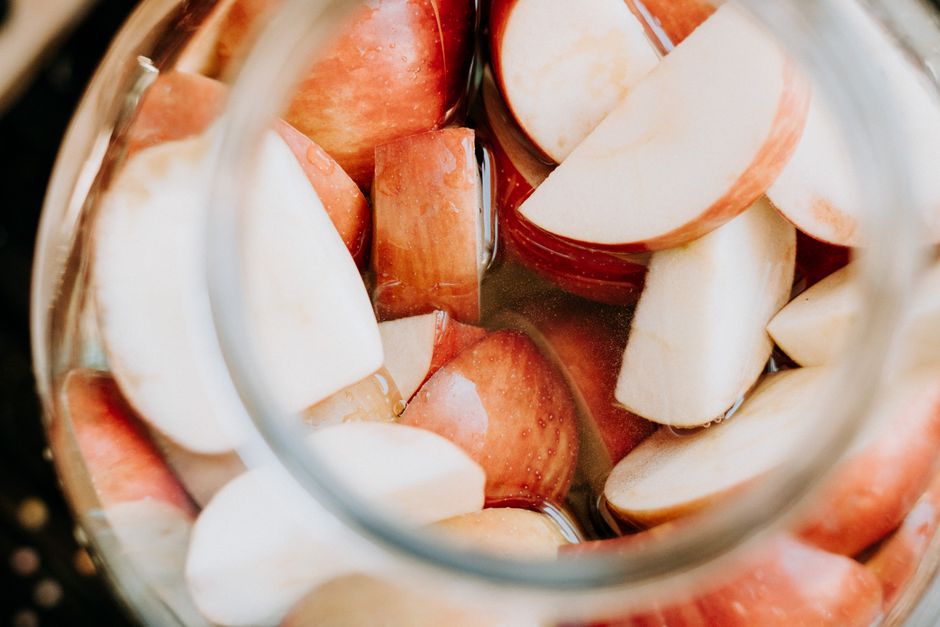
One of the most accessible entry points into this practice is the creation of homemade fruit scrap vinegar. Traditional apple cider vinegar is highly prized for its probiotic content and versatility, but it is also remarkably easy to produce using only the parts of the fruit most people discard. The apple cores and peels contain the natural yeasts and sugars necessary to kickstart the fermentation process, resulting in a raw, living vinegar that contains the “mother”—a culture of beneficial bacteria.
Building Your Vinegar Base
To begin, select organic fruit scraps to ensure you are avoiding synthetic residues. Fill a clean, half-gallon glass jar approximately three-quarters full with apple cores and peels. Dissolve one to two tablespoons of organic cane sugar into two cups of filtered water and pour this mixture over the fruit until the scraps are completely submerged. The sugar provides an initial energy source for the yeast to begin the conversion process. Cover the jar with a breathable fabric, such as cheesecloth or a clean kitchen towel, and secure it with a rubber band. This allows oxygen to circulate while keeping pests out. Store the jar in a cool, dark place, stirring occasionally, and within a few weeks, you will have a vibrant, probiotic-rich vinegar ready for use in salad dressings or as a digestive tonic.
Root-to-Stem Condiments and Sauces
Beyond vinegars, the fermentation of vegetable scraps offers a treasure trove of savory condiments. Root-to-stem cooking is a strategy that honors the integrity of the whole plant. Often, the most concentrated flavors are found in the parts we prune away. Herb stems, for example, are packed with essential oils and aromatics. Instead of discarding them, they can be fermented alongside vegetables to create unique pestos, chimichurri, or infused oils that pack a much higher punch than leaves alone.
From Onion Skins to Savory Jams
Vegetable scraps like onion skins or mushroom stems can be repurposed into umami-rich condiments. When you simmer onion skins with a bit of sugar, a splash of vinegar, and a pinch of salt, you create the base for a savory jam. If you take this a step further by fermenting these scraps in a light brine, you unlock deeper, more complex savory notes that pair beautifully with roasted meats or hearty breads. This process effectively demonstrates that what we label as food waste is often simply a matter of culinary imagination waiting to be unlocked.
Strategic Tips for a Zero Waste Kitchen
To maintain a consistent flow of ingredients for your fermentation projects, it helps to keep a “scrap bag” in your freezer. This allows you to accumulate enough material for a batch of vinegar or a ferment without needing to process large quantities all at once. When the bag is full, you have the necessary base for your next project.
| Scrap Type | Fermentation Use | Flavor Profile |
|---|---|---|
| Apple/Pear Cores | Fruit Vinegar | Tangy, slightly sweet |
| Citrus Peels | Infused Ferments | Bright, acidic, aromatic |
| Vegetable Stems | Lacto-fermented Sauces | Umami, savory, earthy |
| Onion/Garlic Skins | Savory Jams/Brines | Robust, deep, savory |
By keeping these categories in mind, you can categorize your leftovers and ensure that your fermentation jars are always working toward a delicious end product. Remember that cleanliness is paramount; while fermentation relies on beneficial bacteria, you must ensure your jars and utensils are clean to prevent the growth of harmful molds.
Frequently Asked Questions
Is it safe to ferment kitchen scraps?
Yes, provided you follow basic safety protocols. Fermentation is a safe and ancient method of preservation. The key is to ensure that your scraps are submerged in the brine or liquid, which creates an anaerobic environment that favors beneficial lactic acid bacteria while inhibiting spoilage organisms. Always trust your senses; if a ferment smells putrid or shows signs of fuzzy, colorful mold, discard it.
How long does the fermentation process take?
The timeline varies based on ambient temperature and the ingredients used. Generally, fruit scrap vinegar takes between three to six weeks to develop a pleasant acidity. Vegetable ferments, such as those using cabbage cores or stems, can take anywhere from a few days to a few weeks. The warmer your kitchen, the faster the fermentation will occur.
Can I use non-organic scraps?
It is highly recommended to use organic produce for fermentation. Because fermentation relies on the natural microflora present on the skin of the fruit or vegetable, you want to avoid produce that has been treated with pesticides or waxes, as these can inhibit the fermentation process or introduce unwanted chemical residues into your final product.
What is the “mother” in vinegar?
The “mother” is a natural biofilm of cellulose and acetic acid bacteria that forms during the fermentation of vinegar. It is a sign of a healthy, active ferment and is rich in probiotics. You can save the mother from one batch of vinegar to help jumpstart your next batch, acting as a natural starter culture.
Conclusion
Adopting a zero waste approach to your kitchen through fermentation is more than just a way to save money or reduce trash; it is an act of culinary stewardship. By treating every part of the plant as an ingredient, you unlock new flavors and improve the nutritional quality of your meals. Whether you are transforming apple cores into a sparkling vinegar or turning herb stems into a zesty condiment, you are participating in a sustainable cycle that honors the food you buy. Start small, experiment with your scraps, and watch as your kitchen transforms into a source of endless, probiotic-rich creativity.