
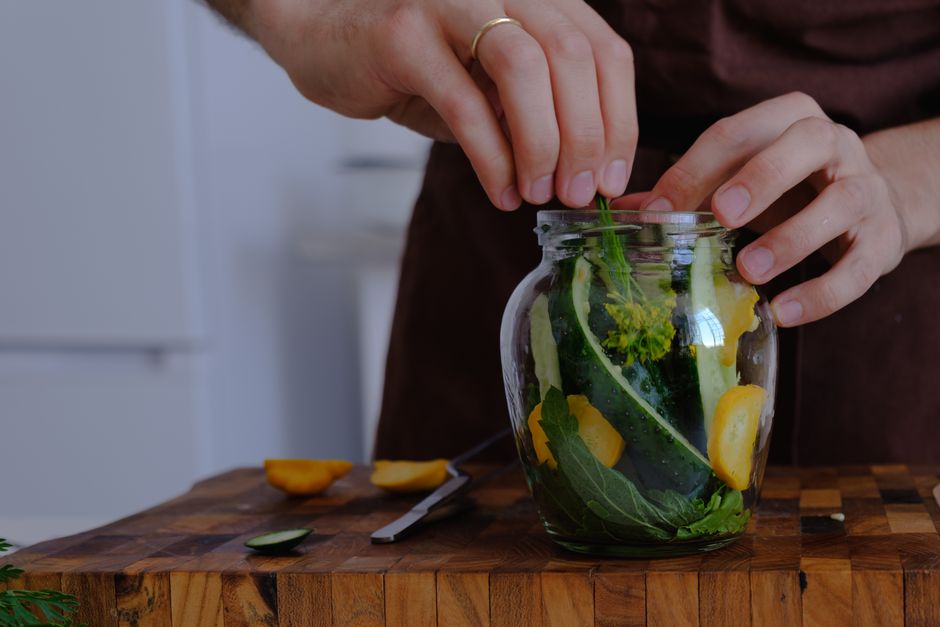
In the modern kitchen, the boundary between ingredient and refuse is often defined by habit rather than necessity. Every day, home cooks discard mountains of nutrient-dense vegetable scraps—the tough ends of asparagus, the fibrous outer layers of onions, the woody stems of broccoli, and the peels of carrots and radishes. By shifting our perspective, we can treat these remnants not as food waste, but as the foundation for a thriving, probiotic-rich pantry. Harnessing the ancient art of fermentation allows us to transform these overlooked components into complex, tangy, and health-boosting condiments, effectively closing the loop in our kitchens and embracing a zero-waste lifestyle.
The Science of Scraps: Why Fermentation is the Ultimate Upcycling Tool
At its core, fermentation utilizes lacto-fermentation to preserve vegetable scraps that would otherwise be discarded. This process is driven by Lactobacillus, a genus of beneficial bacteria that converts the natural sugars and starches present in plant matter into lactic acid. This acidic environment acts as a natural preservative, inhibiting the growth of pathogenic organisms while simultaneously increasing the bioavailability of nutrients.
Vegetable scraps, such as peels, stems, and cores, are often more concentrated in prebiotic fiber and phytochemicals than the fleshy parts of the vegetable itself. By initiating a ferment, you are not only saving these items from the landfill but also creating a substrate that supports a diverse microbial community. When you consume these fermented condiments, you are introducing a wide array of microbial species into your gut, which is essential for maintaining a resilient and adaptable microbiome.
The Role of Diversity in the Microbiome
When asked, which fermented food do you think supports the most diverse microbial community why, nutritionists and microbiologists often point to mixed-vegetable ferments. Unlike single-ingredient ferments, which may favor a specific strain of bacteria, a ferment made from a variety of vegetable scraps mimics the complexity of a natural ecosystem. Because different vegetables provide different types of prebiotic fibers, they act as fuel for a wider range of beneficial bacteria, leading to a more robust and diverse gut environment.
Practical Applications: Turning Waste into Flavor
Integrating zero-waste practices into your cooking routine is simpler than it appears. The goal is to collect your scraps in a clean container in the freezer until you have enough to fill a fermentation vessel. Whether it is carrot tops, radish tails, or the outer leaves of cauliflower, these items can be finely chopped or shredded to increase their surface area, making them perfect for lacto-fermentation.
From Scraps to Condiments
One of the most effective ways to utilize these scraps is to turn them into a fermented paste or a spicy relish. By adding high-quality sea salt—typically at a ratio of two percent of the total weight of the vegetables—you create the ideal conditions for the lacto-fermentation process. Once the mixture has fermented at room temperature for several days, the result is a tangy, probiotic-dense condiment that can be used to top salads, stir-fries, or grain bowls.
Composting the Remainder: The Bokashi Method
Even with an aggressive zero-waste strategy, some materials may not be suitable for human consumption, such as excessively woody stalks or fibrous husks. This is where Bokashi composting comes into play. Bokashi is an anaerobic fermentation process that breaks down food waste into a nutrient-rich soil amendment. By using a specialized inoculant, you can ferment your remaining scraps in a sealed bucket. This prevents the methane production associated with traditional aerobic composting and provides your garden with a potent fertilizer, ensuring that absolutely no food leaves your home as trash.
Nutritional Advantages of Fermented Scraps
The fermentation process acts as a form of pre-digestion. Many of the vegetable scraps we discard contain complex carbohydrates that are difficult for the human digestive system to break down. During fermentation, enzymes produced by the bacteria break these down, making the nutrients more accessible. Furthermore, the probiotic content of these fermented condiments can help regulate digestion, improve nutrient absorption, and support the immune system.
| Scrap Type | Best Use Case | Flavor Profile |
|---|---|---|
| Root Vegetable Peels | Fermented Spicy Relish | Earthy and Tangy |
| Broccoli/Kale Stems | Lacto-fermented “Sticks” | Crunchy and Sour |
| Onion/Garlic Skins | Infused Fermented Vinegar | Pungent and Savory |
| Herb Stems | Probiotic Herb Paste | Aromatic and Sharp |
Frequently Asked Questions
What are the best vegetables to ferment for probiotics?
Cruciferous vegetables like cabbage, cauliflower, and broccoli stems are excellent because they are dense in nutrients and provide a great texture. Root vegetables like carrots, beets, and radishes also ferment beautifully and offer a natural sweetness that balances the acidity produced during the fermentation process.
How to avoid botulism when fermenting?
Botulism is caused by Clostridium botulinum, which thrives in low-acid, anaerobic environments. However, C. botulinum cannot survive in the acidic environment created by successful lacto-fermentation. To stay safe, always use enough salt to encourage the growth of Lactobacillus, which will quickly lower the pH of your ferment. Ensure your vegetables are fully submerged in brine, and keep your equipment scrupulously clean. If a ferment ever smells putrid, develops mold, or looks suspicious, discard it immediately.
What happens to your gut when you eat one fermented food a day?
Consuming a small portion of fermented food daily can lead to improved regularity, reduced bloating, and a more diverse gut microbiome. Over time, these changes can support better immune function and potentially improve mood regulation, as a large portion of the body’s serotonin is produced in the gut.
Which fermented food is highest in probiotics?
While kefir and traditional sauerkraut are often cited for their high bacterial counts, a homemade, diverse-vegetable ferment often provides a wider variety of strains. The diversity of the microbes is arguably more important than the raw count, as it helps create a resilient internal ecosystem.
Conclusion: The Future of the Zero-Waste Kitchen
Embracing a zero-waste approach to fermentation is more than just a culinary trend; it is a fundamental shift in how we interact with our resources. By turning food waste into flavorful, probiotic-heavy condiments, we reduce our environmental footprint while simultaneously enhancing our personal health. Whether you are experimenting with spicy radish-top ferments or incorporating Bokashi into your gardening routine, every step taken to minimize waste is a step toward a more sustainable and nutritionally vibrant future. Start small, observe the changes in your pantry and your gut, and discover how the scraps you once discarded can become the most valuable ingredients in your kitchen.