

In the modern kitchen, we often discard a significant portion of our groceries without a second thought. Apple cores, carrot peels, and the ends of celery stalks are routinely swept into the compost bin or, worse, the trash. However, adopting a zero-waste fermentation mindset allows you to view these items not as refuse, but as raw ingredients waiting to be transformed. By leveraging the power of wild microbes, you can turn kitchen scraps into culinary gold, reducing your environmental footprint while elevating the flavor profile of your home cooking.
The Philosophy of Zero-Waste Fermentation
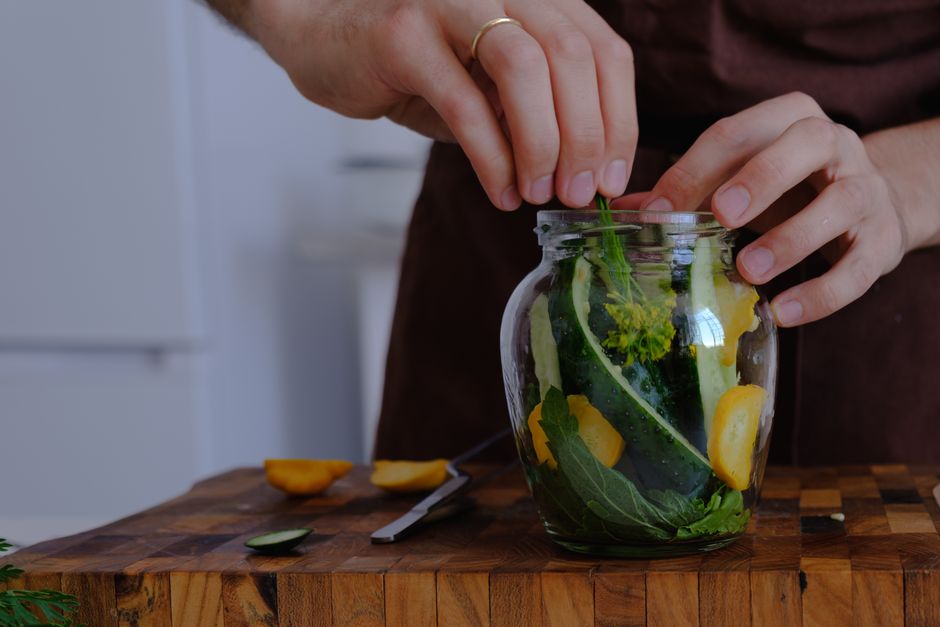
The zero-waste chef approach is rooted in the idea that our food system is circular. When we practice zero waste fermentation transforming kitchen scraps into culinary gold, we are participating in an ancient tradition of preservation. Fermentation is a natural process where beneficial bacteria and yeasts break down sugars and starches in food, creating new compounds that enhance shelf life, improve digestibility, and produce complex, tangy flavors. Instead of relying on store-bought items, you can create high-quality vinegars, tonics, and condiments from the very materials you would otherwise discard.
This practice is a cornerstone of the zero food waste project. By keeping a “scrap jar” or a dedicated freezer bag for vegetable trimmings and fruit peels, you ensure that these resources are utilized. Whether you are crafting a probiotic-rich beverage or a pungent vinegar, you are saving money, reducing packaging waste, and engaging in a deeper connection with your food.
Transforming Fruit Scraps into Liquid Gold
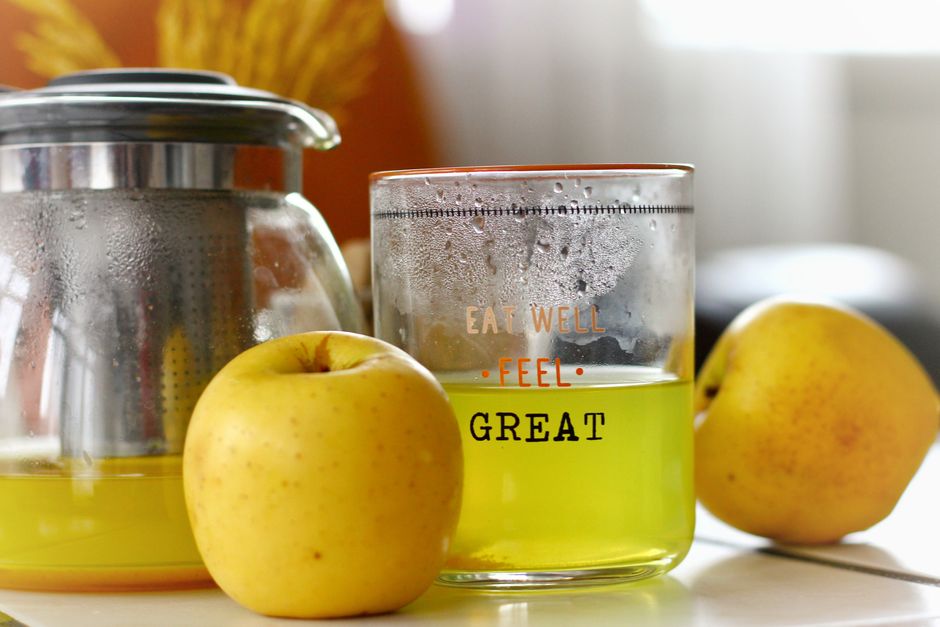
One of the most rewarding zero waste food examples is the creation of homemade vinegars. Many commercial vinegars are highly processed and stripped of the beneficial bacteria that define true, living ferments. By using peels and cores from organic fruit—such as apples, pineapples, or even stone fruits—you can cultivate a complex, artisanal vinegar right on your kitchen counter.
The Art of Apple Scrap Vinegar
To begin, collect your organic apple peels and cores in a glass jar. Because you are relying on wild yeasts present on the fruit skins, it is vital to source organic produce; synthetic pesticides can inhibit the fermentation process. Fill your jar about three-quarters full with scraps, add a tablespoon or two of sugar to provide food for the microbes, and cover with filtered water. Use a breathable cloth secured with a rubber band to cover the jar. This allows oxygen to reach the liquid, which is essential for the acetic acid bacteria to convert the alcohol into vinegar.
Stir your ferment daily to prevent mold from forming on the surface. After two to three weeks, strain out the solids and allow the liquid to continue fermenting for another few weeks until it reaches your desired level of acidity. The result is a vibrant, living vinegar that puts mass-produced alternatives to shame.
Bubbly Fruit Kvass
If you prefer a refreshing, non-alcoholic drink, fruit scraps can be used to make a bubbly kvass. Unlike vinegar, which requires aerobic conditions, kvass is often made in a sealed environment to encourage carbonation. By fermenting fruit skins in water with a small amount of sugar or honey, you capture the effervescence of natural fermentation. This is a perfect way to use the peels of citrus, pears, or berries that might otherwise lose their appeal in the fruit bowl.
Vegetable Scraps: Beyond the Compost
While fermentation is a powerful tool, it is just one part of a comprehensive zero food waste recipes strategy. Vegetable trimmings, such as onion skins, leek greens, and carrot tops, are flavor powerhouses. While many people boil these into a standard stock, fermentation offers a way to extract even more value from these materials.
Cultured Vegetable Pastes
You can ferment vegetable trimmings into concentrated pastes. For example, by blending leftover tomato ends with a bit of salt and allowing them to undergo a lactic acid fermentation, you create a shelf-stable, umami-rich tomato paste. This technique effectively preserves the flavor of the summer harvest well into the winter months without the need for high-heat canning or refrigeration.
Brine and Rind Utilization
Never discard the brine from your ferments. Fermented pickle brine, preserved lemon liquid, or kimchi juice contains a concentrated dose of probiotics and flavor. Use these liquids to deglaze a pan, add depth to a soup, or as a base for a salad dressing. Similarly, the rinds of preserved lemons can be minced and added to dressings or tagines, providing a burst of citrusy, fermented complexity that adds a professional touch to any dish.
Essential Guidelines for Success
To master zero-waste fermentation transforming kitchen scraps into culinary gold free from failure, keep these fundamental principles in mind:
- Sanitation is Key: While fermentation relies on “good” bacteria, you want to avoid unwanted mold. Ensure your jars are clean and your tools are free of soap residue.
- Quality Ingredients: Because you are using scraps, ensure they are clean and free of rot. Organic produce is highly recommended to avoid chemical inhibitors.
- Water Quality: Chlorine in municipal tap water can kill the very microbes you are trying to cultivate. Use filtered or spring water whenever possible.
- Temperature Control: Most ferments thrive at room temperature. Keep your jars out of direct sunlight to maintain a stable environment.
Frequently Asked Questions
Is it safe to ferment kitchen scraps?
Yes, provided you follow basic hygiene and use healthy, non-rotting produce. Fermentation creates an acidic environment that is hostile to harmful pathogens. If a ferment smells pleasant and tangy, it is generally safe. If it smells like rotting garbage or has fuzzy, colorful mold, it is best to discard it.
Do I need to add a starter culture to my scraps?
In most cases, no. The skins of fruits and vegetables are naturally covered in beneficial wild yeasts and bacteria. However, adding a splash of raw, unpasteurized vinegar or brine from a previous successful ferment can help “jumpstart” the process and ensure a consistent result.
How long can I store fermented scraps in the freezer?
You can keep a freezer bag for scraps for several months. Once the bag is full, you can thaw the contents to begin your fermentation process. Freezing does not kill the wild microbes; it merely pauses their activity, making it a perfect storage solution for a zero waste household.
Why is my vinegar not turning into vinegar?
Vinegar production requires consistent airflow. If your jar is sealed too tightly, the bacteria cannot convert the alcohol to acetic acid. Ensure you are using a breathable cloth cover and that you are stirring the mixture daily to introduce oxygen.
Conclusion
Embracing the zero waste fermentation transforming kitchen scraps into culinary gold lifestyle is about more than just reducing trash; it is about reclaiming the lost art of kitchen resourcefulness. When you stop seeing your kitchen scraps as waste, you unlock a pantry full of hidden potential. Whether it is the tang of an apple scrap vinegar, the depth of a vegetable-infused broth, or the crunch of repurposed bread crusts, every small action contributes to a more sustainable and flavorful life. Start small, experiment with what you have on hand, and enjoy the transformative power of nature’s own preservation methods.