

In the modern kitchen, the line between an ingredient and refuse is often defined more by habit than by culinary potential. While many home cooks view vegetable trimmings, fruit peels, and spent grounds as inevitable food waste, a growing movement of culinary innovators is reframing these items as high-value resources. By applying the ancient principles of fermentation to the modern kitchen, we can move beyond simply dumping food scraps for compost and instead unlock complex flavors, textures, and nutritional profiles. This shift toward a [zero-waste](https://t10family.com/en/zero-waste-fermentation-transform-kitchen-scraps-into-gold/) kitchen is not just an environmental imperative; it is a creative evolution that transforms what we once discarded into essential pantry staples.
The Science of Circular Cooking

At its core, fermentation is a biological process that utilizes microorganisms—such as bacteria, yeasts, and molds—to break down organic material. When we apply this to agricultural byproducts, we are engaging in a form of valorization. Research indicates that agri-food waste is a vast reservoir of organic and inorganic compounds. By shifting our perspective, we see that fruit and vegetable peels, seeds, and even coffee grounds contain the building blocks for high-value culinary products. When we embrace zero-waste fermentation, we are essentially acting as small-scale biorefineries, extracting nutrients and flavor compounds that would otherwise be lost to a landfill.
From Waste to Flavor: The Fermentation Advantage
Fermentation does more than preserve; it transforms. The biochemical reactions that occur during the breakdown of fibrous plant matter can soften tough textures and synthesize new aromatic compounds. For instance, the peels of fruits like pineapples—often discarded—can be used as a solid substrate for microbial activity, resulting in potent vinegars or tepache, a refreshing fermented beverage. By integrating these innovative food waste products into our daily routines, we extend the lifecycle of our groceries and reduce the pressure on municipal waste systems.
Creative Ways to Use Food Scraps Through Fermentation
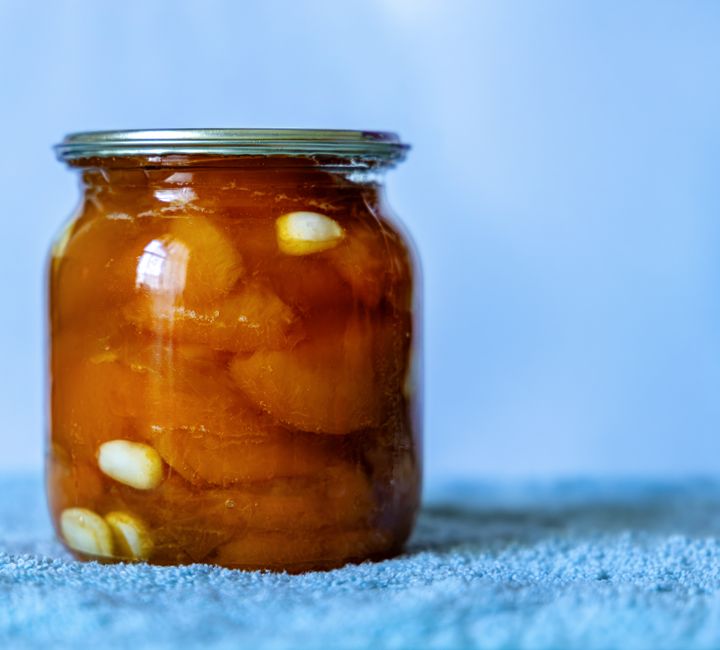
Adopting the mindset of a zero-waste chef requires looking at your kitchen scraps through a different lens. Before you reach for the compost bin, consider which of these fermentation techniques might be appropriate for the item at hand.
Lacto-Fermenting Vegetable Scraps
Lacto-fermentation is perhaps the most accessible entry point for zero-waste cooking. Carrot tops, broccoli stems, and cauliflower cores are often relegated to the bin, yet they are packed with flavor. By submerging these scraps in a 2 to 3 percent salt brine, you encourage the growth of Lactobacillus bacteria. Over the course of a few days, these bacteria convert natural sugars into lactic acid, resulting in crunchy, tangy ferments that can be used as garnishes, salad additions, or base ingredients for sauces.
Fruit Scrap Vinegars
Fruit peels are rich in pectin and natural sugars, making them perfect candidates for vinegar production. Whether you are working with apple cores, pear peels, or citrus rinds, the process is straightforward: submerge the scraps in water with a small amount of sugar, cover with a breathable cloth, and let wild yeasts and acetobacter do the work. Over several weeks, the liquid will transform into a complex, fruity vinegar that rivals any high-end store-bought product.
Spent Coffee Grounds and Valorization
While coffee grounds are a popular addition to garden beds, their potential in the kitchen is often overlooked. Scientific research into the valorization of spent coffee grounds (SCGs) highlights their potential for lipid extraction and the production of bio-oils. At the home level, you can utilize the depth of flavor in spent grounds by infusing them into kombucha or using them to create a fermented coffee-based “miso” paste. By mixing spent grounds with a koji-inoculated grain, you can create a savory, umami-rich condiment that adds depth to stews and marinades.
Structured Approaches to Zero-Waste Fermentation
To successfully integrate these methods, it helps to categorize your scraps based on their fermentation potential. The following table provides a quick guide to common kitchen materials and their transformed outputs.
| Food Scrap Material | Fermentation Method | Transformed Culinary Staple |
|---|---|---|
| Vegetable Peels & Stems | Lacto-fermentation | Tangy pickles and probiotic ferments |
| Fruit Cores & Peels | Acetous fermentation | Artisanal fruit vinegars |
| Spent Coffee Grounds | Koji-inoculation/Miso | Savory umami-rich coffee paste |
| Bread Crusts/Ends | Alcoholic fermentation | Kvass or sourdough starter boosters |
Addressing Common Concerns: FAQ
Is it safe to ferment food scraps?
Yes, provided you follow basic food safety protocols. The key to successful fermentation is creating an environment where beneficial bacteria thrive while pathogens are inhibited. This usually involves achieving the correct salinity in brines (for lacto-fermentation) or maintaining the proper acidity (for vinegars). Always discard any ferment that shows signs of mold growth or smells putrid, as these are indicators that the fermentation process has failed.
What if I do not have enough scraps to ferment at once?
This is a common challenge for the zero-waste chef. The best strategy is to keep a dedicated “fermentation freezer bag.” As you peel vegetables or prepare fruit throughout the week, store the scraps in the freezer. Once you have accumulated enough to fill a jar, you can thaw them and begin your fermentation project. This allows you to scale your efforts to your actual food consumption patterns.
How does this differ from traditional composting?
While food scraps for compost are a vital part of a sustainable household, composting is the end-of-life stage for food. Fermentation is a way to extract value before that stage. By fermenting first, you get to enjoy the culinary benefits of the food, and you can still compost the fibrous remnants after the fermentation process is complete. It is a dual-purpose approach that maximizes the utility of every item.
Conclusion: The Future of the Sustainable Kitchen
Transforming food scraps into culinary staples through fermentation is a powerful act of defiance against a culture of convenience. It challenges us to reconsider what we define as waste and invites us to engage more deeply with the biological processes that make food so vibrant. Whether you are crafting a tangy vegetable pickle from broccoli stems or experimenting with a complex coffee-based miso, you are participating in a circular economy that starts at your own countertop. By adopting these innovative techniques, you not only reduce your environmental footprint but also expand your culinary repertoire, proving that the most delicious ingredients are often the ones we were previously throwing away.