
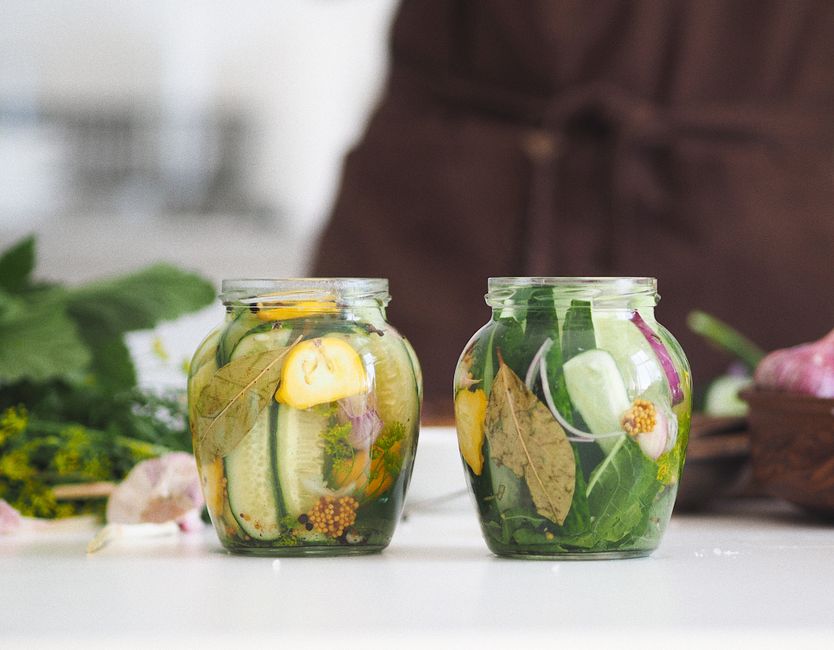
In the modern kitchen, the line between refuse and resource is often drawn too early. While many home cooks view vegetable peels, herb stems, and fruit cores as inevitable food waste, these items are actually potent substrates for microbial transformation. By embracing zero-waste fermentation, you can upcycle these kitchen scraps into vibrant, probiotic-rich condiments that rival artisanal products. This process not only diverts organic material from landfills but also unlocks hidden nutritional potential, creating a circular system where your culinary byproducts become the foundation for your next meal.
The Science of Upcycling Scraps
At its core, lacto-fermentation is a preservation technique that relies on lactic acid bacteria (LAB) to lower the pH of your ingredients. By creating an acidic environment, these beneficial bacteria effectively inhibit the growth of pathogens, extending the shelf life of ingredients that would otherwise be discarded. Research confirms that kitchen scraps like carrot peels, beet tops, and cauliflower cores are rich in the fermentable carbohydrates and fiber necessary to fuel this process. When you ferment these scraps, you are not just preventing waste; you are increasing the bioavailability of nutrients and populating your microbiome with diverse probiotic cultures.
Best Zero Waste Fermentation: Upcycling Kitchen Scraps into Probiotic Condiments
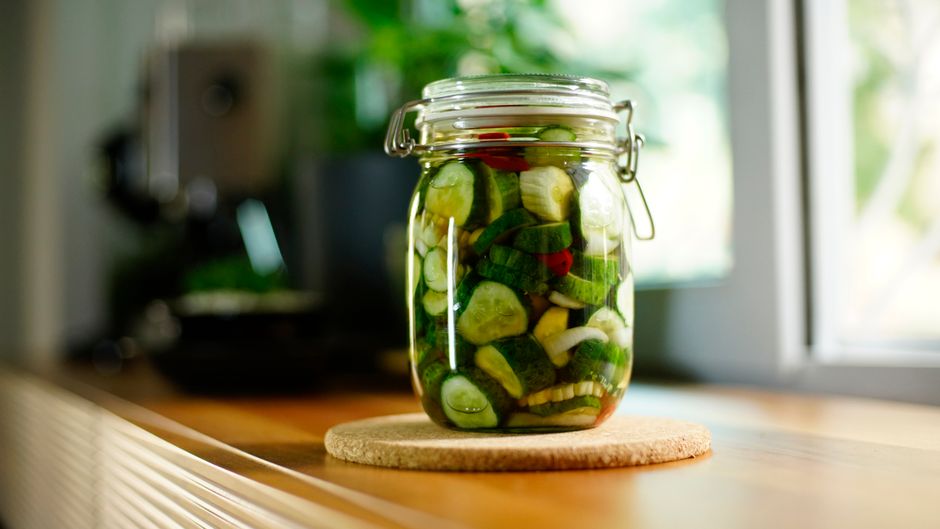
To master the art of upcycling, you must treat your scraps with the same care as your primary produce. The best zero waste fermentation upcycling kitchen scraps into probiotic condiments relies on two pillars: hygiene and precise salt ratios. A 2% to 3% salt concentration by weight is the industry standard for ensuring that beneficial bacteria thrive while spoilage organisms are suppressed. Whether you are crafting a spicy hot sauce from pepper tops or a tangy relish from broccoli stalks, the process remains consistent: clean, chop, salt, and submerge.
Transforming Vegetable Peels into Savory Pastes
Vegetable trimmings, particularly roots like carrots, parsnips, and beets, contain concentrated sugars perfect for fermentation. Instead of throwing them away, collect them in a freezer-safe bag until you have enough to fill a quart-sized mason jar. Once you have a sufficient volume, process the scraps with a small amount of garlic, ginger, and sea salt. Pack the mixture tightly into a jar, ensuring the juices cover the solids entirely. After seven to ten days of fermentation at room temperature, you will have a complex, probiotic-dense paste that functions as an umami-packed base for soups, dressings, or marinades.
Fruit Scrap Vinegars and Kvass
Fruit cores and peels—specifically those from apples, pears, and stone fruits—are ideal for producing secondary ferments. Fruit scrap vinegar is a staple of a sustainable kitchen. By covering your fruit scraps with water and a small amount of sugar, you invite wild yeasts and acetic acid bacteria to colonize the liquid. Over several weeks, this mixture evolves into a complex, living vinegar. Alternatively, you can create a bubbly fruit kvass by fermenting these scraps with ginger and water, providing a refreshing, probiotic soda that utilizes parts of the fruit typically sent to the bin.
Integrating Bokashi Composting into Your Workflow
While fermentation transforms edible scraps into condiments, not every kitchen byproduct is suitable for human consumption. This is where Bokashi becomes an essential tool for the zero-waste kitchen. Bokashi composting is an anaerobic fermentation process that uses a specialized Bokashi bran—a carrier medium inoculated with effective microorganisms—to break down organic waste. Unlike traditional aerobic composting, which can take months, a Bokashi bin allows you to ferment your remaining food waste in a sealed environment in as little as two weeks. This creates a nutrient-rich pre-compost that can be buried in the garden or added to a worm bin, ensuring that even the inedible parts of your scraps contribute to a healthy soil ecosystem.
Microbial Diversity in Fermented Foods
When considering which fermented food supports the most diverse microbial community, it is helpful to look at the complexity of the substrate. Which fermented food do you think supports the most diverse microbial community why? While sauerkraut is excellent, mixed-vegetable ferments using a variety of scraps generally host a wider array of bacterial strains. Because each vegetable brings its own unique microbiome and sugar profile, a “scrap-kraut” containing a dozen different types of peelings and trimmings creates a more complex ecological niche for microbes than a single-ingredient ferment. This diversity is beneficial for the human gut, as it encourages a broader range of microbial interactions.
FAQ: Common Questions About Fermentation
Which fermented food is highest in probiotics?
While many fermented foods are healthy, kefir and high-quality, unpasteurized sauerkraut generally rank highest in terms of CFU (colony-forming unit) counts and microbial diversity. However, the “highest” probiotic count often depends on the freshness of the ferment and the variety of ingredients used in the initial preparation.
How to avoid botulism when fermenting?
Botulism is caused by the toxin produced by Clostridium botulinum, which thrives in anaerobic, low-acid, and low-salt environments. To avoid this, always follow the 2-3% salt rule by weight and ensure your vegetables are completely submerged in brine. The rapid production of lactic acid by LAB quickly lowers the pH below 4.6, which effectively neutralizes the risk of botulism in standard vegetable ferments.
Does apple cider vinegar count as a fermented food?
Yes, but with a caveat. Raw, unfiltered apple cider vinegar that contains the “mother” is a fermented product rich in beneficial bacteria and enzymes. However, commercial, pasteurized vinegar has been heat-treated, which kills these beneficial microorganisms. To get the probiotic benefits, ensure your vinegar is labeled as raw or unpasteurized.
Which foods cannot be fermented?
While almost any plant-based food can be fermented, high-fat or high-protein foods require much more caution and are generally not recommended for home-scale lacto-fermentation. Dairy, meat, and fish require specific temperature controls and starter cultures to prevent dangerous bacterial growth, such as Salmonella or Listeria. Stick to vegetables, fruits, and grains for safe, consistent results.
Conclusion
Upcycling kitchen scraps into probiotic condiments is a profound act of both thrift and culinary creativity. By viewing your vegetable peels and fruit cores as high-value ingredients rather than waste, you transform your kitchen into a laboratory of sustainable flavor. Whether you are creating a tangy vegetable paste, a refreshing fruit kvass, or utilizing Bokashi to manage the remaining organic material, your efforts contribute to a healthier microbiome and a significantly smaller environmental footprint. The best zero waste fermentation upcycling kitchen scraps into probiotic condiments is not just about following a recipe; it is about developing a deep, intuitive understanding of the biological processes that govern our food. By integrating these habits into your daily routine, you move closer to a truly circular kitchen where nothing is wasted, and every ingredient is given the chance to nourish both you and the planet.