
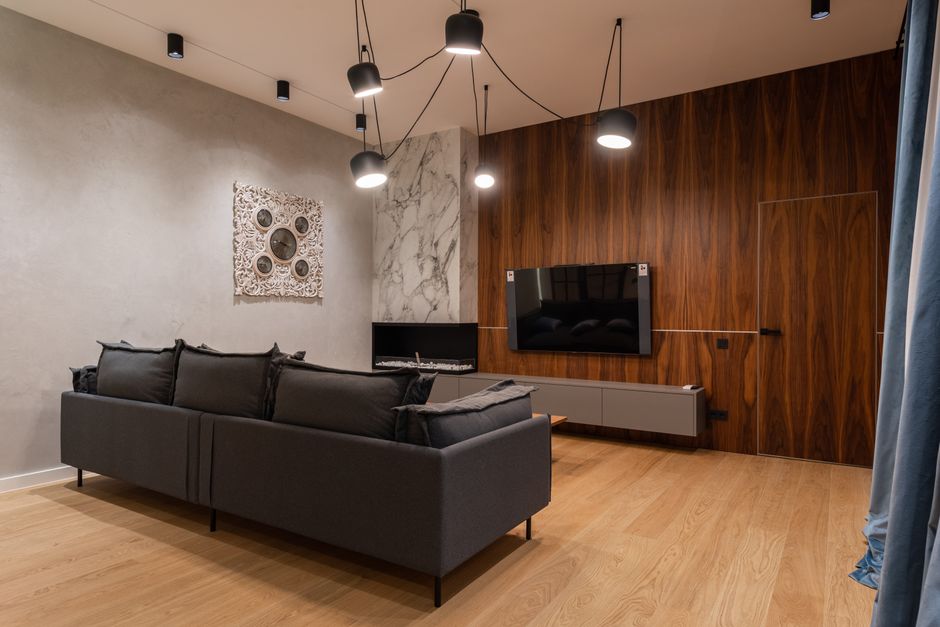
In the modern home, we often prioritize visual aesthetics, focusing on color palettes, furniture placement, and lighting schemes. Yet, our living rooms are constantly permeated by an invisible layer of information: the acoustic environment. Acoustic ecology—the study of the relationship between living beings and their sound environment—is no longer a niche scientific pursuit; it is a vital frontier in interior design. By consciously shaping the soundscapes of our homes, we can transform living rooms from mere gathering spaces into sanctuaries for cognitive recovery and mental health, mitigating the pervasive stress of urban noise pollution.
The Science of Sound and Cognitive Restoration

The impact of sound on human biology is profound. According to the World Health Organization, chronic exposure to anthropogenic noise—the hum of traffic, the buzz of appliances, or the intrusion of neighbors—is a primary contributor to sleep disturbance and sustained physiological stress. Conversely, intentional sound design can act as a restorative intervention. The Attention Restoration Theory (ART) posits that environments characterized by “soft fascination” allow our directed attention to rest, replenishing the cognitive resources depleted by the demands of daily life. In a residential context, this means curating auditory experiences that mask harsh mechanical noise with elements that trigger a relaxation response.
Biophony and Physiological Recovery
Research indicates that exposure to natural soundscapes, known as biophony, is directly linked to lower cortisol levels and faster physiological recovery from stress. These sounds—the subtle rustle of leaves, the rhythmic flow of water, or the chirping of birds—are processed by the brain as non-threatening, signaling a safe environment. Integrating these elements into a living room design does not necessarily require a literal indoor fountain; it involves creating an acoustic environment where the sonic character of the space mimics the restorative properties of nature.
Design Strategies for an Acoustic Sanctuary
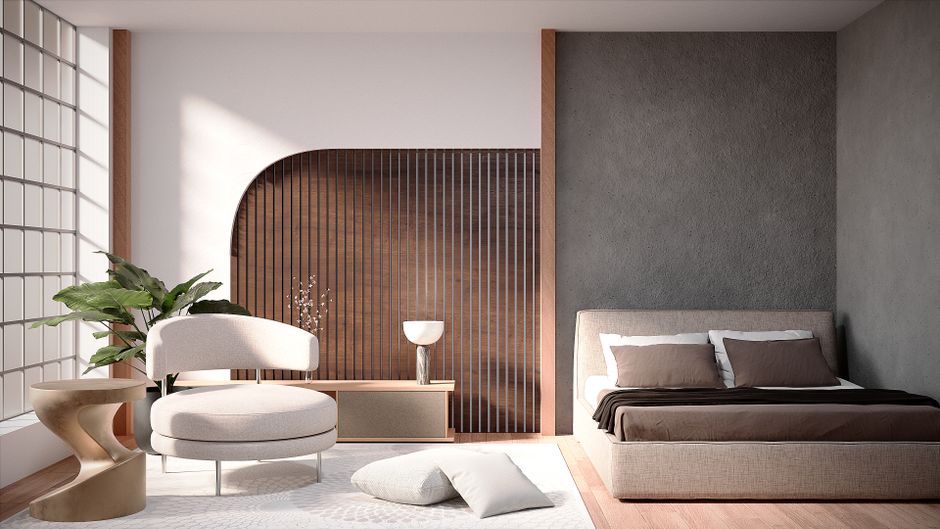
Designing for acoustic health requires a two-pronged approach: the mitigation of intrusive noise and the introduction of positive, restorative sound. Achieving this balance transforms a living room into a site of psychological refuge.
Mitigating Unwanted Anthropogenic Noise
Before introducing pleasant sounds, one must address the intrusion of unwanted noise. This is often an issue of mass and absorption. Hard surfaces like glass, tile, and drywall reflect sound waves, creating echoes that increase cognitive load. To dampen this, designers should incorporate soft furnishings that act as acoustic buffers. Heavy curtains, plush rugs, and upholstered furniture are essential tools. For more persistent structural noise, acoustic panels disguised as wall art or ceiling clouds can absorb mid-to-high frequency reflections, significantly reducing the “clutter” of sound within the room.
Layering Positive Soundscapes
Once the room is acoustically dampened, the focus shifts to the positive soundscape. This is where the concept of the soundscape becomes a design tool. Designers can utilize high-quality, directional audio systems to introduce subtle ambient textures. A well-designed living room might feature “sound masking”—using a consistent, neutral sound to cover erratic, anxiety-inducing noises. The goal is not to fill the room with music, but to create a background layer that feels natural and unobtrusive, effectively shifting the room’s atmosphere from sterile to supportive.
The Role of Materiality in Acoustic Design
The materials chosen for a living room dictate how sound behaves within the space. A room with high reverberation times feels chaotic, while a room that is too “dead” can feel unnatural and oppressive. The following table outlines how common interior materials influence the acoustic quality of a living room.
| Material Category | Acoustic Function | Impact on Mental Health |
|---|---|---|
| Hardwood/Stone | Reflective (High Reverberation) | Can increase perceived stress through echo. |
| Heavy Textiles | Absorptive (Mid-High Frequency) | Promotes calm by reducing ambient noise clutter. |
| Acoustic Foam/Panels | Absorptive/Diffusive | Provides maximum control over room clarity. |
| Plants/Biophilic Elements | Diffusive/Psychological | Softens sound while providing visual restoration. |
Frequently Asked Questions
What is the best acoustic treatment for a live room?
The best approach for a living room is a combination of absorption and diffusion. Start by placing thick, high-density rugs and heavy curtains to absorb unwanted reflections. If the room still feels “bright” or noisy, add acoustic panels at the primary reflection points on the walls. Avoid covering every surface; you want to maintain a balance where the room feels natural, not like a recording studio.
What does an acoustic ecologist do?
An acoustic ecologist studies the relationship between human beings and their sonic environment. They analyze how sound influences behavior, health, and social interaction. In a design context, they act as consultants who evaluate the “soundscape” of a space, identifying noise pollution sources and recommending design interventions to improve the acoustic quality of an environment for the well-being of its occupants.
What are the four different kinds of soundscapes?
Acoustic ecologists typically categorize soundscapes into four primary types: geophony (non-biological natural sounds like wind or rain), biophony (sounds produced by living organisms like birds or insects), anthropophony (sounds produced by humans and their technology, such as traffic or appliances), and theophony (sounds associated with ritual or spiritual practice). A healthy living room design prioritizes geophony and biophony while minimizing the negative impacts of anthropophony.
What is psychoacoustic sound?
Psychoacoustics is the branch of psychology concerned with the perception of sound. It explores how the brain interprets physical sound waves as subjective experiences. In design, understanding psychoacoustics allows us to use sound to influence mood; for example, low-frequency rhythmic sounds can induce a sense of stability, while specific sound textures can mask the “sharp” edges of mechanical noise, making an environment feel significantly more peaceful.
Conclusion
Integrating acoustic ecology into living room design is an essential evolution in how we conceive of our homes. By acknowledging that sound is as influential as light or color, we can create environments that actively support our mental health. Through the strategic use of absorbent materials, the minimization of noise pollution, and the thoughtful introduction of restorative soundscapes, we can reclaim our living spaces as places of genuine cognitive restoration. As we continue to navigate an increasingly noisy world, the ability to design for silence and high-quality sound will become the ultimate luxury in residential health and wellness.