
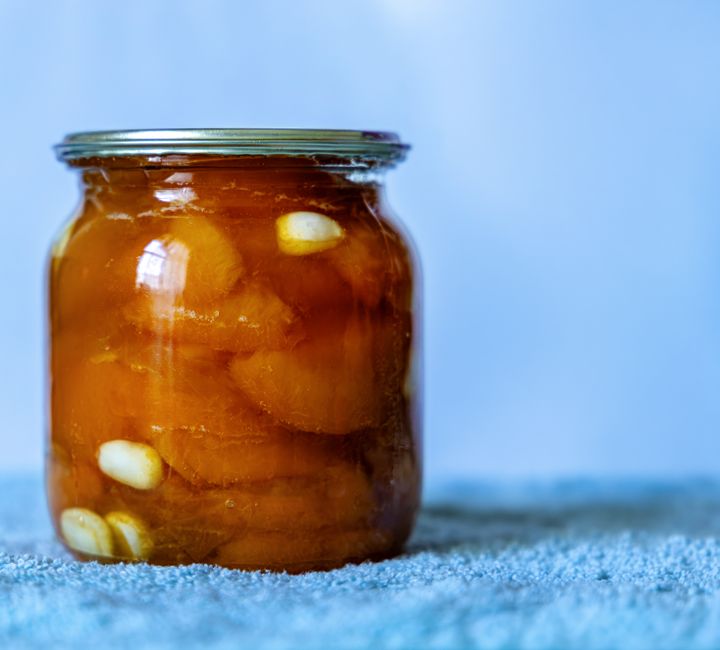
In the modern kitchen, the line between culinary gold and compost is thinner than we often realize. Every year, households discard tons of edible vegetable peels, stems, and overripe fruits—materials that hold significant potential for flavor and nutrition. Zero-waste fermentation is the practice of transforming kitchen scraps into probiotic superfoods, turning what would otherwise be considered food waste into vibrant, shelf-stable, and health-promoting ingredients. By harnessing the ancient science of microbial transformation, home cooks can reduce their environmental footprint while simultaneously elevating the complexity of their pantry staples.
The Mechanics of Transformation: How Fermentation Works
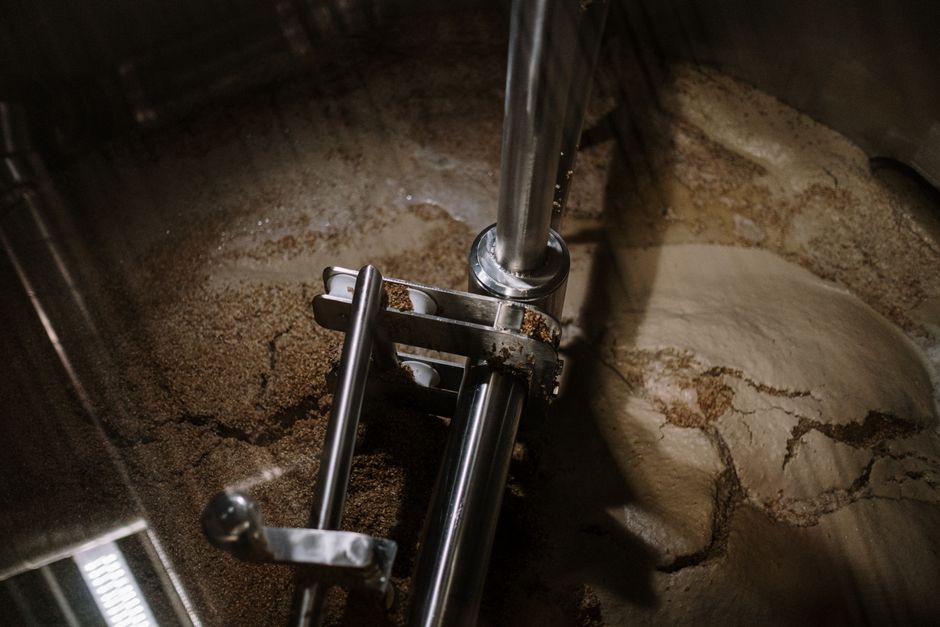
At its core, fermentation is a metabolic process where microorganisms—such as bacteria, yeasts, and molds—break down organic compounds in food. This process does more than just preserve; it fundamentally alters the texture, aroma, and flavor profile of the base ingredient. When we talk about zero waste fermentation transforming kitchen scraps into probiotic superfoods, we are primarily focusing on lactofermentation. This specific process relies on lactic-acid-producing bacteria to acidify the environment, which inhibits the growth of spoilage-causing pathogens and creates the tangy, probiotic-rich environment we associate with traditional ferments.
Lactofermentation for Scraps
Lactofermentation is remarkably accessible, requiring only salt, water, and your leftover produce. To begin, create a brine consisting of 2 to 5 percent salt by weight—roughly two tablespoons of sea salt per quart of water. By submerging your cleaned scraps, such as broccoli stems, carrot peels, or tough kale ribs, in this solution, you create an anaerobic environment that favors beneficial microbes. Over a few days at room temperature, these microbes convert sugars into lactic acid, resulting in crunchy, tangy pickles that are far superior to the limp scraps that might have ended up in the bin.
Infusions and Scrappy Spirits
Beyond simple vegetable pickling, you can utilize scraps through infusion. Fruit peels, herb stems, and even the cores of stone fruits can be steeped in vinegar or neutral spirits like vodka. This technique allows you to extract essential oils and complex flavors that would otherwise be discarded. After steeping for two to four weeks, the result is a flavorful, artisanal liquid that can be used in salad dressings, cocktails, or culinary reductions, effectively closing the loop in your kitchen.
Beyond the Home Kitchen: Precision Fermentation
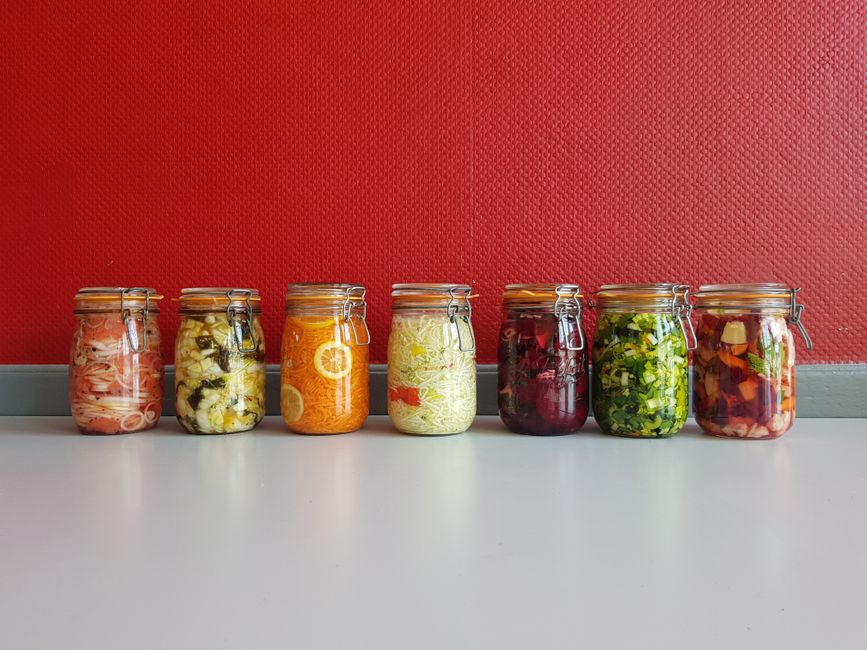
While home fermentation relies on indigenous microorganisms found on the surface of plants, the industrial food sector is increasingly looking toward precision fermentation. This advanced biotechnology uses microbial hosts—often yeast or fungi—programmed to produce specific functional ingredients, such as animal-free dairy proteins or complex flavor compounds. How does precision fermentation work? Scientists isolate the genetic code for a specific protein, insert it into a microbe, and then cultivate that microbe in a controlled fermentation tank. The result is a high-purity ingredient that mimics the function of traditional food products without the need for animal agriculture.
Precision fermentation for the next generation of food ingredients: opportunities and challenges are significant. The primary opportunity lies in sustainability; by using microorganisms to produce ingredients, we can drastically lower land and water usage. The challenge, however, lies in scaling this technology and ensuring consumer acceptance. Unlike the “wild” fermentation of a countertop sauerkraut, this process requires laboratory precision, yet both share the same fundamental goal: using biology to create high-quality food solutions from limited resources.
Managing Waste: The Role of Bokashi
For scraps that are truly inedible—such as citrus rinds or fibrous stalks that may not be palatable even after fermentation—there is Bokashi. Unlike traditional composting, which is an aerobic process, Bokashi uses a specific mix of microorganisms to ferment waste in an airtight container. This keeps the material from rotting, instead “pickling” the waste. The resulting Bokashi-treated material can then be buried, where it breaks down rapidly into nutrient-rich soil. It is an essential component of a truly zero waste kitchen, ensuring that even the non-edible portions of your food contribute to the health of your garden.
Comparative Analysis: Fermentation Methods
| Method | Primary Input | Output | Main Benefit |
|---|---|---|---|
| Lactofermentation | Veggie scraps/stems | Probiotic pickles/kraut-chi | Gut health/preservation |
| Infusion | Herb stems/fruit peels | Vinegars/flavored spirits | Flavor extraction |
| Bokashi | Inedible food waste | Fermented soil amendment | Nutrient-dense compost |
| Precision Fermentation | Microbial inputs/sugars | Specialized food proteins | Sustainable innovation |
Frequently Asked Questions
Can eating kimchi every day destroy gut bacteria?
No, eating kimchi daily will not destroy your gut bacteria. On the contrary, kimchi is a potent source of live probiotics. However, if you are not used to high-fiber, fermented foods, introducing them too quickly can cause temporary bloating or digestive discomfort. It is best to start with small portions to allow your microbiome time to adapt to the influx of beneficial microbes.
Which fermented food is highest in probiotics?
While many fermented foods are healthy, kefir and high-quality, raw sauerkraut generally support the most diverse microbial community. Kefir contains a vast array of bacteria and yeasts that thrive in dairy, while raw sauerkraut (specifically home-fermented versions) retains a diverse spectrum of lactic acid bacteria that are naturally present on the vegetables. Diversity in your ferments is key, as different strains of bacteria provide different health benefits.
What happens when stool ferments?
In the context of human digestion, fermentation occurs in the large intestine. When dietary fiber reaches the colon, it is fermented by the gut microbiota, producing short-chain fatty acids (SCFAs). These SCFAs are crucial for colon health and immune function. If you are referring to the clinical condition of “fermenting stool” in a medical sense, it typically relates to malabsorption issues where undigested carbohydrates are rapidly broken down by bacteria, often leading to gas and bloating.
What vegetables should you not ferment?
While most vegetables can be fermented, some are difficult due to their high water content or tendency to become mushy. Vegetables like cucumbers need careful handling (such as adding tannin-rich leaves like grape or oak) to stay crisp. Furthermore, starchy vegetables like potatoes should not be fermented raw due to the risk of botulism and the potential for producing solanine, a toxic compound. Always ensure your vegetables are fresh and free from mold before starting a ferment.
Conclusion
Embracing fermentation is one of the most effective ways to transform your relationship with the kitchen. By viewing scraps not as refuse, but as raw materials for probiotic superfoods, you participate in a cyclical, regenerative culinary practice. Whether you are crafting a simple jar of kraut-chi, infusing vinegar with herb stems, or exploring the future of precision fermentation, you are actively reducing food waste while enhancing your nutrition. Start small, experiment with the bits you usually discard, and discover the deep, complex flavors that only a well-managed ferment can provide.