
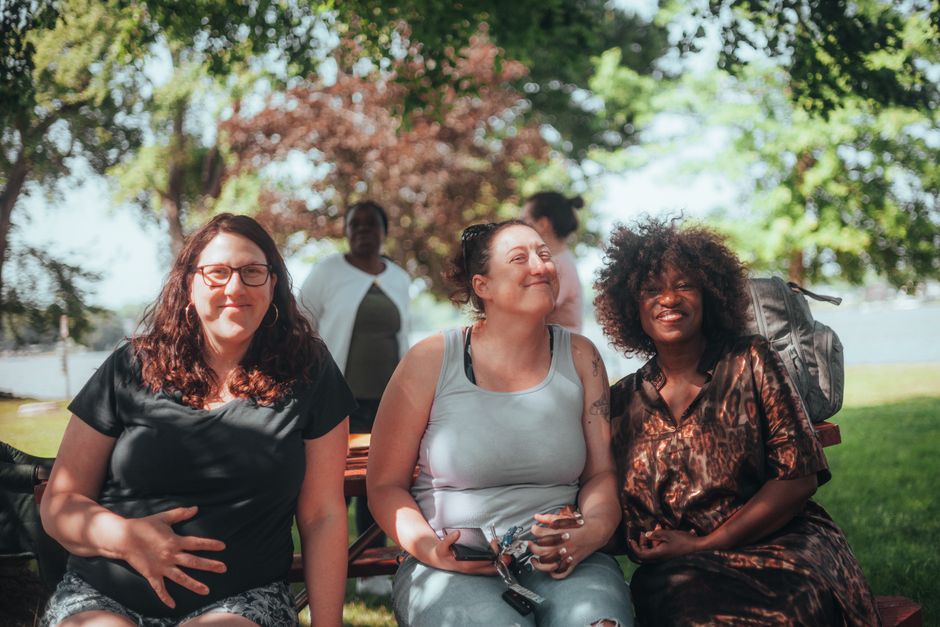
For a generation raised in the glow of a smartphone screen, the concept of the third space has evolved from an urban planning relic into a fundamental necessity for mental well-being. Sociologist Ray Oldenburg coined the term to describe environments distinct from the home, which is the first space, and the workplace or school, which is the second. These locations are the anchors of community life—places where people gather, converse, and exist without the pressure of productivity or the expectation of a transaction. As Gen Z navigates a world defined by digital burnout and the erosion of public infrastructure, a renaissance is underway. This generation is not just looking for places to hang out; they are actively reclaiming the right to exist in public without a price tag.
The Erosion of the Traditional Third Space
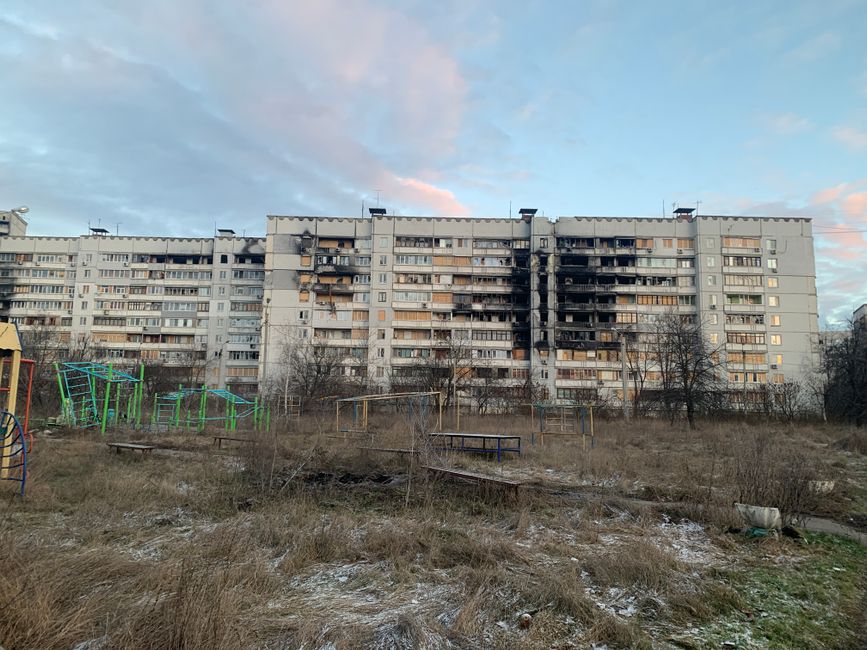
To understand why this movement matters, we must first acknowledge why these spaces vanished. Over the last few decades, urban design has shifted toward privatization. Malls, once the quintessential teenage hangout, have faced decline or transformation into high-end retail hubs that discourage loitering. Meanwhile, the rise of the gig economy and the hyper-commercialization of city centers have turned local cafes into workspaces where patrons are expected to buy a five-dollar latte just to sit for an hour. This pay-to-play barrier has effectively locked out many young people, leaving them with few options for connection that do not involve a credit card.
The Digital Displacement of Social Life
The ubiquity of social media was initially marketed as the ultimate third space—a digital town square. However, Gen Z has largely recognized the limitations of this model. While platforms allow for global connectivity, they often exacerbate feelings of isolation and inadequacy. The constant performance required for online engagement is the antithesis of the authentic, low-stakes interaction found in a physical third space. People are finding that digital likes cannot replace the nuance of face-to-face conversation, leading to a profound yearning for physical environments where they can simply exist among others.
What Defines a True Third Space?
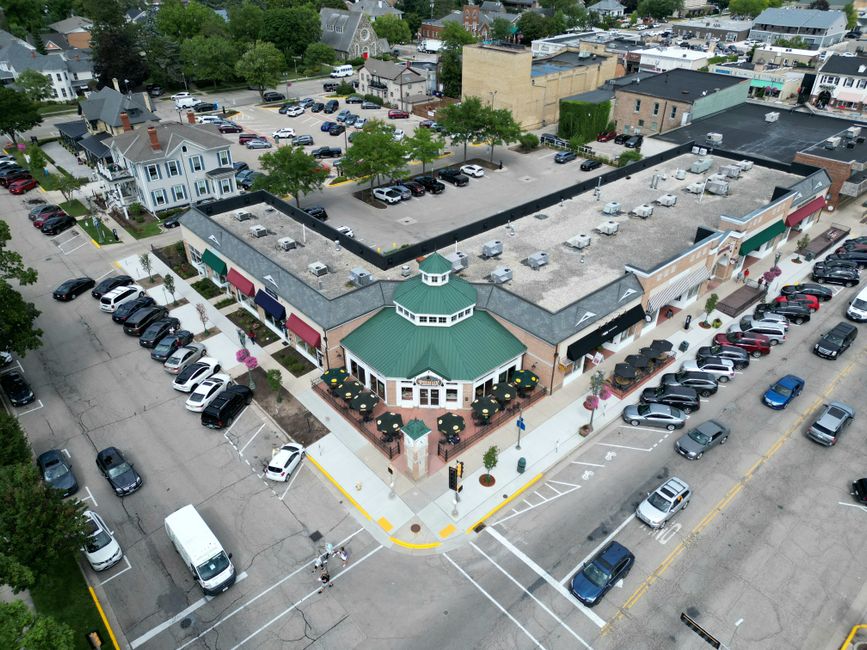
A successful third space is defined by its accessibility and its lack of commercial pressure. It is a place where individuals can interact without being customers. According to Oldenburg’s framework, these environments share several key characteristics that Gen Z is currently prioritizing in their search for community:
- Neutral Ground: A space that belongs to no one and everyone, allowing for spontaneous meetings.
- Accessibility: Locations that are easily reached and open to all, regardless of economic status.
- Low Profile: An environment that is comfortable and unpretentious, where the focus is on conversation rather than status.
- Regulars: A consistent crowd that helps foster a sense of belonging and safety.
Reclaiming Non-Commercial Hubs
Gen Z is leading a pushback against the idea that social life must be a series of transactions. This shift is manifesting in the reclamation of public resources that have long been ignored or underfunded. Libraries are experiencing a resurgence as community centers, offering not just books but safe, climate-controlled environments for study and social interaction. Community gardens, public parks, and even skate parks are being reframed as vital infrastructure for social health.
The Rise of Third-Space-Adjacent Digital Communities
Interestingly, some of the most effective third spaces are now hybrid models. Digital platforms are being used to organize, facilitate, and protect physical gatherings. From Discord servers dedicated to local hobbyist groups meeting in city parks to community-led zine fairs and DIY art spaces, technology is serving as the bridge to offline, non-commercial connection. This hybrid approach ensures that the community remains connected even when they are not physically together, while keeping the primary focus on the tangible, human experience.
The Economic and Social Impact of the Renaissance
The prioritization of third spaces is not merely a social preference; it is a critical response to the loneliness epidemic. When people have access to free, inclusive environments, the social fabric of a city strengthens. This movement challenges developers and urban planners to rethink how they build cities. There is a growing demand for “human-centric” design, where public squares and community hubs are prioritized over luxury retail or high-density office blocks. This represents a long-term shift in how we value public land and the role of the individual within the collective.
| Feature | Traditional Commercial Space | Reclaimed Third Space |
|---|---|---|
| Cost of Entry | High (requires purchase) | Zero (free access) |
| Atmosphere | Performative/Productive | Authentic/Relaxed |
| Interaction | Transactional | Spontaneous/Organic |
| Longevity | Dependent on profit | Dependent on community engagement |
Frequently Asked Questions
Why is a third space considered different from a park?
While a park is a type of third space, the term refers specifically to the social function of the location. A park becomes a true third space when it is actively used as a hub for regular, recurring social interaction rather than just a transit zone or a place to walk through.
Can a coffee shop ever be a true third space?
Yes, but only if the culture of the establishment encourages lingering without the expectation of constant purchasing. Some independent, community-focused cafes resist the “laptop-worker-only” culture by providing seating arrangements that favor conversation over individual productivity, effectively maintaining the spirit of a third space.
How can Gen Z influence urban policy to create more of these spaces?
Active participation in local government, such as attending city council meetings or participating in urban planning workshops, is the most direct way to advocate for these spaces. By highlighting the need for public seating, community centers, and green spaces, young people can shift the focus of municipal budgets toward social infrastructure.
Is the third space renaissance just a trend?
Given the rising rates of digital burnout and the proven health benefits of physical community, it is unlikely that this is a passing fad. The need for genuine human connection is a fundamental psychological requirement, and the active reclamation of these spaces suggests a long-term movement toward a more balanced, community-oriented lifestyle.
Conclusion
The third space renaissance represents a fundamental pivot in how Gen Z views their role in the public sphere. By rejecting the notion that every hour of the day must be monetized or digitized, this generation is redefining the value of community. Whether through the revitalization of the local library, the creation of community gardens, or the simple act of gathering in public squares, these efforts are creating a more resilient and connected society. As we look toward the future of our urban environments, the success of our cities will be measured not by the density of their commerce, but by the availability of the spaces where we can truly be ourselves together.