
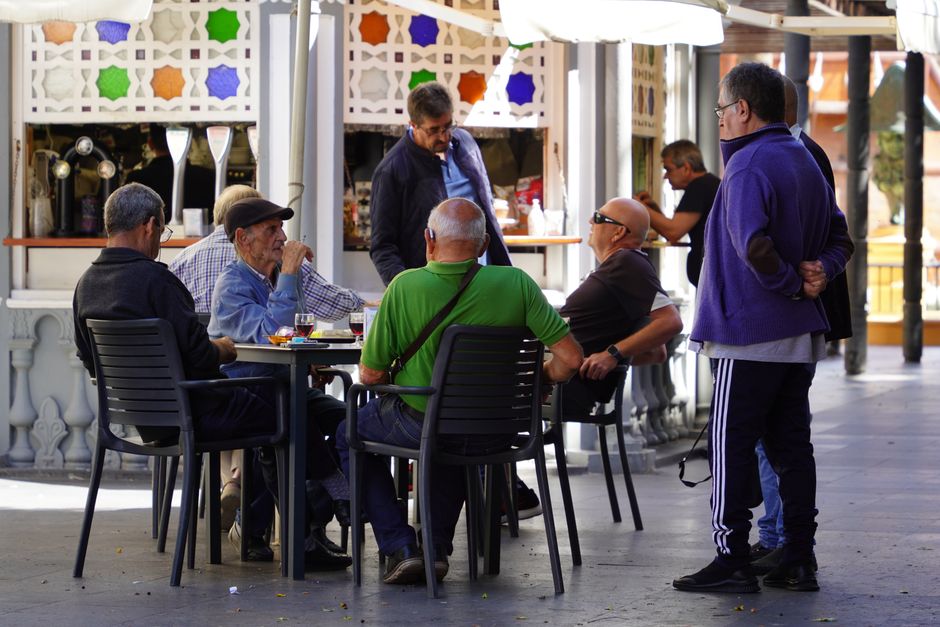
In an era defined by hyper-connectivity and the relentless blurring of professional and private boundaries, the modern man often finds himself trapped in a binary existence. We shuttle between the “first space” of home—often filled with domestic responsibilities and digital distractions—and the “second space” of work, which increasingly follows us home via smartphones and remote access. This cycle leaves little room for spontaneous social interaction or the quiet reflection necessary for long-term mental health. The concept of the third space, therefore, is not merely a nostalgic desire for a bygone era; it is a vital strategy for reclaiming one’s autonomy, mental clarity, and sense of belonging.
The Anatomy of the Third Space

The term third space refers to any environment that exists outside the spheres of home and employment. It is a neutral ground where individuals can gather, converse, and exist without the pressures of performance or the expectations of family life. These places are characterized by accessibility, low financial barriers to entry, and a consistent cast of regulars that foster a sense of community over time.
The third space revival rebuilding male community outside of work and home meaning is rooted in the necessity of social resilience. For men, who statistically report fewer close friendships than women as they age, the decline of these communal hubs has contributed to a silent epidemic of isolation. By engaging in a third space, a man transitions from being a “provider” or an “employee” to being a member of a local tribe, allowing for a more authentic expression of self.
Why Are Third Spaces Disappearing?
The erosion of these environments is not accidental; it is a byproduct of urban planning, economic shifts, and digital transformation. Many traditional gathering spots have been replaced by commercialized venues that require a purchase for entry, effectively turning public spaces into transactional zones. Furthermore, the rise of the digital age has led many to mistake online connectivity for actual social community. While digital forums offer support, they lack the visceral, tactile benefits of physical proximity, such as shared experiences and non-verbal cues that build genuine trust.
The Impact on Younger Generations
The lack of third spaces for teens is perhaps the most concerning development. Adolescence is a critical period for identity formation, and without skate parks, youth centers, or informal hangouts where they can experiment with independence, young men are increasingly forced into solitary digital habits. This lack of physical infrastructure limits their ability to build the social muscles required for adult life, creating a cycle that persists well into their thirties and forties.
Third Spaces Examples and How to Cultivate Them
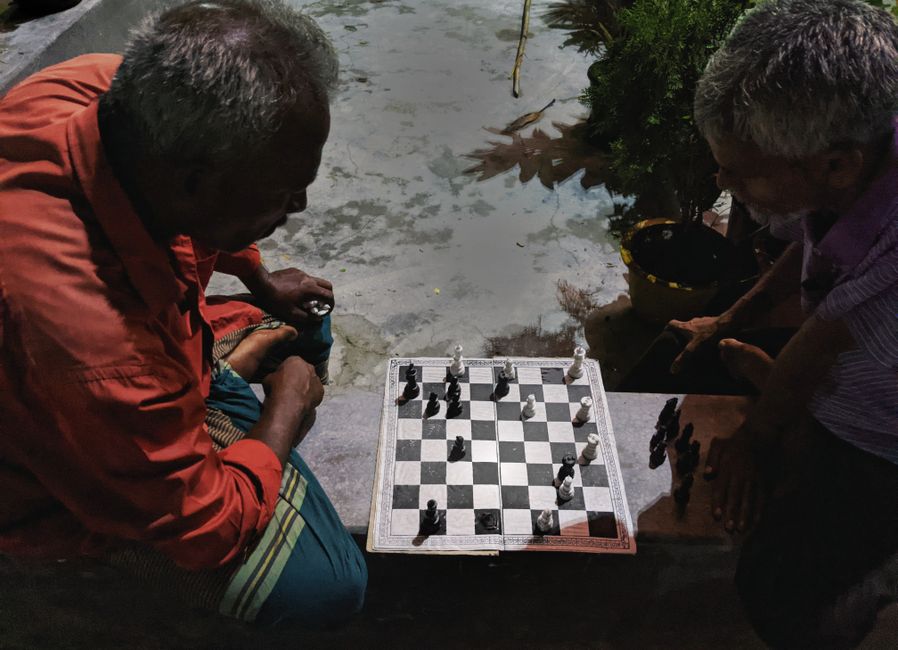
A third space does not need to be a formal club or a grand facility. It simply needs to be a consistent, welcoming environment. Third spaces examples range from the traditional to the unconventional:
- The “Old School” Hubs: Barbershops, local pubs, or diners where the staff knows your name and the conversation flows naturally.
- The Skill-Based Collective: Woodworking workshops, community gardens, or makerspaces where the focus is on a shared project rather than idle chatter.
- The Athletic Arena: Pickup basketball games, running clubs, or local hiking groups that meet at the same time each week.
- The Intellectual Forum: Library reading groups, chess clubs, or local historical societies.
The key to a successful third space is regularity. It is not about the grand event; it is about the mundane, recurring presence that builds a rapport with others. When you become a “regular” in any setting, you move from being a stranger to a participant in a community.
The Mental Health Benefits of Communal Engagement
Research consistently indicates that isolation is a significant risk factor for anxiety and depression. Engaging in a third space provides a buffer against these conditions. Beyond the social aspect, these spaces facilitate the practice of generosity. Research shows that generosity does not just benefit the recipient; it is profoundly good for the giver’s mental health. When a man offers his time, expertise, or even just a listening ear to someone in a shared community space, he gains a sense of purpose that is often missing from the transactional nature of the modern workplace.
Furthermore, stepping away from the “second space” of work allows the brain to reset. By engaging in a hobby or a conversation that has nothing to do with deadlines or deliverables, you stimulate different neural pathways, fostering creativity and helping you approach familiar problems from entirely new perspectives.
Frequently Asked Questions
Why are third spaces being removed?
Third spaces are often lost due to rising real estate costs, the privatization of public land, and a shift toward commercialized “experience” venues. Many traditional spaces, such as neighborhood pubs or community halls, have been unable to compete with the profitability of high-end retail or residential development.
What is Ray Oldenburg’s theory of the third place?
Sociologist Ray Oldenburg, who coined the term, argued that third places are essential for a healthy democracy and individual well-being. According to his theory, these spaces must be neutral ground, serve as a “home away from home,” and be characterized by a playful, welcoming atmosphere where conversation is the primary activity.
What is the third space in society?
In society, the third space acts as a vital social bridge. It is the “buffer zone” between the private life of the home and the structured, hierarchical life of the workplace. It allows for the formation of cross-generational and cross-social relationships that would otherwise never occur in a segregated work or home environment.
How do third places affect community quality of life?
Third places improve quality of life by fostering social capital. When people feel connected to their neighbors through shared spaces, crime rates often decrease, and the overall sense of safety and belonging increases. These spaces act as the “glue” that keeps a community cohesive and resilient during difficult times.
Conclusion: Reclaiming Your Environment
The third space revival rebuilding male community outside of work and home 2021 and beyond is a necessary reaction to our increasingly fragmented society. Rebuilding these connections requires intentionality; it requires the courage to show up, the patience to become a regular, and the willingness to engage with people who may not share your professional background. Whether you join a local volunteer group, start a weekly morning coffee club, or frequent a local makerspace, you are doing more than just filling time—you are actively contributing to the restoration of the social fabric. By prioritizing these third spaces, you are not just escaping the pressures of work and home; you are investing in the community, your mental health, and the very foundation of a more connected life.