
The Digital Olfactory Revolution: Redefining How We Experience Scent
For centuries, the fragrance industry focused exclusively on the visual and tactile—the design of a bottle, the texture of a lotion, and the notes of a perfume. However, as we advance through the 21st century, digital innovation is fundamentally changing how we create, perceive, and interact with scent. By bridging the gap between chemistry and technology, we are entering an era where smell is no longer just a physical product, but an integrated part of our digital lives.
Key Innovations in Digital Olfaction
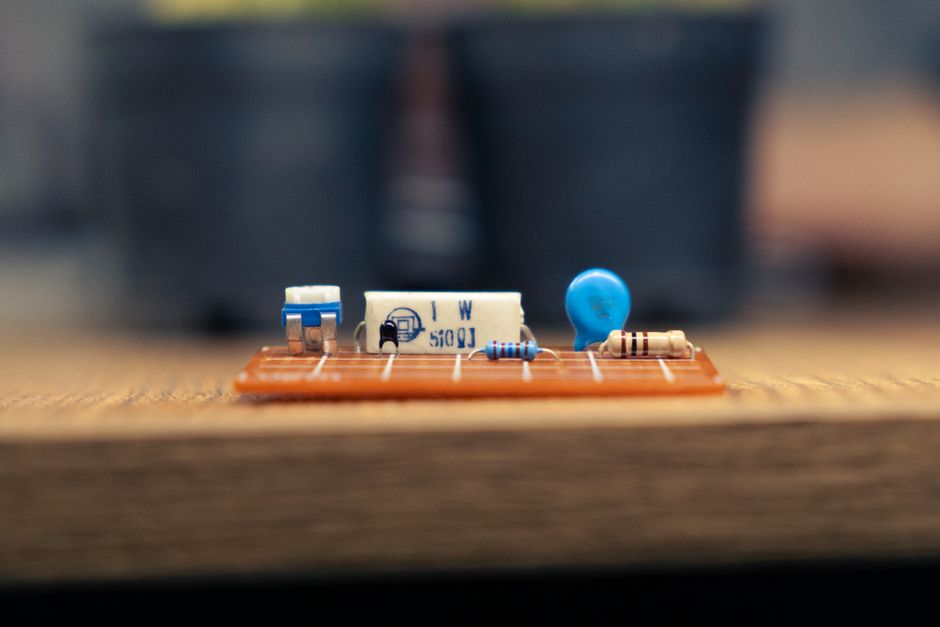
The transition from traditional perfumery to digital olfaction relies on sophisticated engineering. Researchers, such as those at the Institute of Science Tokyo, have developed multi-channel wearable devices that blend fragrances in real time. These devices utilize three core components:
- Micro-dispensers: Precision injectors for liquid scent components.
- Surface Acoustic Wave Atomizers: Technology that converts liquid scents into fine, inhalable mists.
- Electroosmotic Pumps: Mechanisms that ensure the exact delivery of fragrance with minimal delay.
Enhancing Digital Immersion
The most immediate application of this technology is the enhancement of virtual reality (VR) and gaming. Developers are moving beyond simple audio-visual feedback to create “sensory reality.” By synchronizing scent with digital landscapes, users can experience heightened immersion. For example, a virtual walk through a cedar forest can now be accompanied by the authentic, damp scent of wood, transforming passive consumption into an active, multisensory experience.
Personalization through Data and AI
Beyond virtual environments, technology is revolutionizing how we shop for fragrance. AI-driven platforms are democratizing custom perfumery by analyzing personal data to craft unique scent profiles. Instead of relying on mass-market trends, these algorithms evaluate your lifestyle, mood, and past preferences to generate molecular combinations tailored specifically to you.
| Method | Benefit |
|---|---|
| AI Mapping | Translates personal preference into precise molecular formulas. |
| Data Analysis | Uses lifestyle and mood metrics to curate individual scent identities. |
| Digital Synthesis | Ensures consistency and accuracy in custom-blended perfumes. |
Challenges in the Field
While the potential is vast, digital olfaction faces significant hurdles. Unlike light or sound, which are easily captured as digital signals, scent is chemical in nature. Replicating complex molecular structures in a portable, safe, and compact format remains the primary challenge. Developers are currently focused on miniaturizing scent-delivery hardware to make it as convenient as modern wearable technology, such as noise-canceling headphones.
Frequently Asked Questions
What is the primary purpose of digital scent technology?
The goal is to add an olfactory layer to digital content, such as VR, movies, and video games, to create a more immersive and realistic sensory environment.
How does “scent branding” work in luxury hotels?
Hotels like the Ritz Carlton use custom-designed ambient fragrances diffused through HVAC systems to evoke specific psychological states, such as relaxation or luxury, reinforcing their brand identity.
What are the current trends in the fragrance market?
There is a significant shift toward “skin scents”—fragrances featuring musk, iris, and ambroxan that enhance one’s natural aroma—alongside a growing demand for sustainable and gender-neutral profiles.
Conclusion
We are standing at the threshold of a new sensory frontier. As science and fragrance converge, our digital lives will become increasingly enriched by the complex and evocative world of smell. Whether through hyper-personalized perfumes or immersive virtual environments, the future of fragrance is data-driven, highly precise, and deeply personal.