
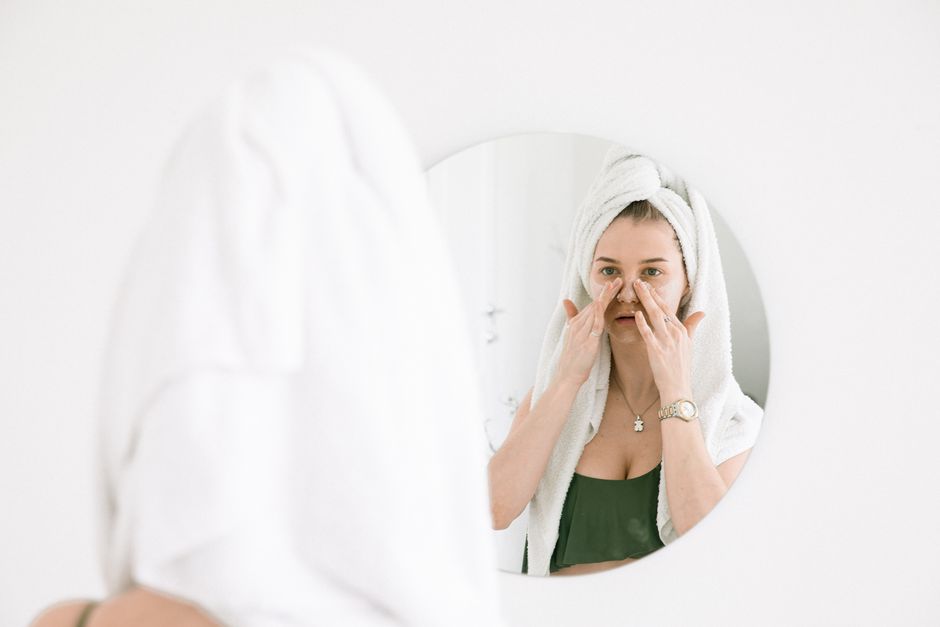
For most of us, skincare is a consistent daily ritual. We cleanse, treat, and moisturize with the assumption that our skin’s needs remain static from Monday to Sunday. However, if you have ever wondered why your complexion seems to glow effortlessly one week only to break out in stubborn congestion the next, the answer likely lies in your hormones. The best the skin sync routine choosing skincare based on your menstrual phase is not just a trend; it is a strategic approach to beauty that acknowledges the biological shifts occurring within your body every month. By aligning your products with your hormonal fluctuations, you can move away from reactive skincare—constantly fighting fires—and toward a proactive, cycle-synced regimen that works in harmony with your physiology.
Understanding the Menstrual Cycle and Your Skin

To master cycle syncing, you must first understand that your skin is a mirror for your internal hormonal environment. Your menstrual cycle is dictated primarily by the ebb and flow of estrogen, progesterone, and testosterone. These hormones directly influence sebum production, collagen synthesis, and the integrity of your skin barrier. When you treat your skin the same way on day five as you do on day twenty-five, you are essentially ignoring the biological reality of your body. Synced skin cycle-based skincare allows you to anticipate these changes, helping you manage everything from dryness and sensitivity to hormonal acne before it even starts.
The Menstrual Phase: Days 1-5
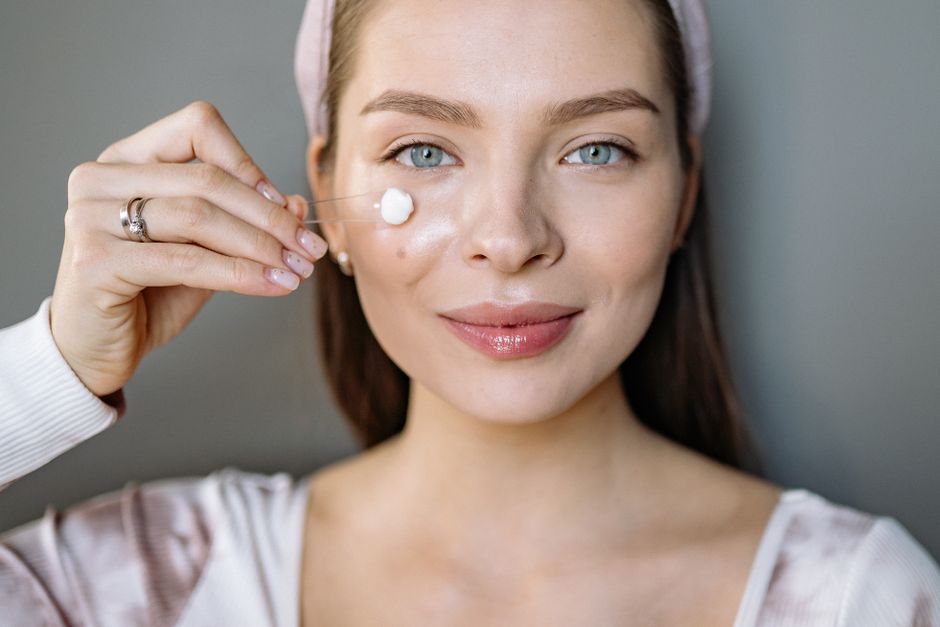
The best skincare during period days is defined by one core principle: nourishment. As both estrogen and progesterone hit their lowest points, your skin often feels depleted. You may notice increased dryness, a lack of radiance, and heightened sensitivity. Because the skin barrier is more vulnerable during this time, it is vital to avoid harsh actives.
Prioritize Barrier Repair
During these initial days, your skin is essentially in recovery mode. Instead of reaching for potent exfoliants, focus on replenishing the skin’s moisture levels. Ingredients such as ceramides, squalane, hyaluronic acid, and soothing botanicals like centella asiatica or oat extract are your best allies. Think of this phase as a “treat yourself” period where your primary goal is to calm inflammation and provide deep hydration. Creamy cleansers are preferable to foaming ones, as they won’t strip your already compromised barrier of its natural oils.
The Follicular Phase: Days 6-14
Often referred to as the “golden period,” the follicular phase is when you will likely feel and look your best. As estrogen levels begin to climb, your skin becomes more resilient, collagen production increases, and your complexion naturally begins to brighten. This is the window of opportunity to maximize your results.
The Season for Actives
Because your skin’s tolerance for active ingredients is at its peak, this is the ideal time to introduce or increase the use of brightening serums and chemical exfoliants. AHAs (alpha-hydroxy acids) like glycolic or lactic acid work beautifully here to slough away dead skin cells and reveal a radiant glow. Vitamin C is also a powerhouse during this phase, as it supports collagen synthesis and provides the antioxidant protection needed to maintain that fresh, post-menstrual luminosity. If you have been waiting to try a new, potent serum, the follicular phase is your safest and most effective time to do so.
The Luteal Phase: Days 15-28
The transition into the luteal phase—the time between ovulation and your next period—is where many people experience the most frustration. As progesterone rises, your sebaceous glands go into overdrive, leading to increased oil production, potential congestion, and the dreaded jawline breakouts. Luteal phase skin care requires a shift toward oil management and anti-inflammatory support.
Managing Congestion and Inflammation
While you might be tempted to scrub your skin into submission, over-exfoliating during this phase can actually backfire, leading to more irritation. Instead, incorporate ingredients that regulate oil without stripping the skin. Niacinamide is a fantastic choice for balancing sebum, while clay masks can act like a vacuum for your pores, pulling out excess oil and preventing the development of deep, painful blemishes. Opt for lightweight, gel-based moisturizers rather than heavy creams to avoid adding unnecessary weight to your already oily complexion.
FAQ: Frequently Asked Questions
What is the 4-2-4 rule for skincare?
The 4-2-4 rule is a cleansing method designed to ensure a deep clean. It involves four minutes of massaging your face with a cleansing oil to dissolve makeup and impurities, two minutes of using a water-based cleanser to remove residue, and four minutes of rinsing—first with warm water, then with cold water to stimulate circulation. While not strictly tied to cycle syncing, it is a great technique to use during the luteal phase when your skin is more prone to oil buildup and clogged pores.
When does your skin look best in your menstrual cycle?
Your skin typically looks its best during the late follicular phase and around ovulation. During this time, high levels of estrogen boost collagen production and improve skin hydration, resulting in a plump, radiant, and even-toned complexion. This is the “peak beauty” window where your skin is most resilient and capable of handling active treatments.
Does cycle syncing actually work?
While cycle syncing is not a clinical medical treatment for skin conditions, it is a highly effective framework for managing skin behavior. By aligning your routine with your hormones, you prevent the common mistake of using harsh products when your skin is sensitive or failing to address oiliness before it leads to acne. It is essentially about working with your body’s natural rhythm rather than fighting against it.
When are you skinniest during your cycle?
Many people find that they feel “skinniest” or least bloated during the follicular phase, particularly just after menstruation has ended. During this time, estrogen is rising, and you are less likely to experience the water retention associated with the high progesterone levels of the luteal phase. While this is primarily a result of fluid balance rather than fat loss, it contributes to the overall feeling of vitality and lightness that characterizes this part of your cycle.
Conclusion
Learning why do I look prettier on my period (or rather, just after it) is the first step toward reclaiming control over your complexion. Cycle syncing your skincare is not about adding more products to your shelf; it is about knowing exactly when to use the ones you already have. By listening to your body’s cues—whether that is the dryness of the menstrual phase or the oiliness of the luteal phase—you can build a consistent, predictable, and highly effective routine. While it is not a cure-all, treating your skin as a dynamic organ that changes throughout the month is the ultimate act of self-care, ensuring that you feel confident and glowing, no matter what day of the cycle you are on.