
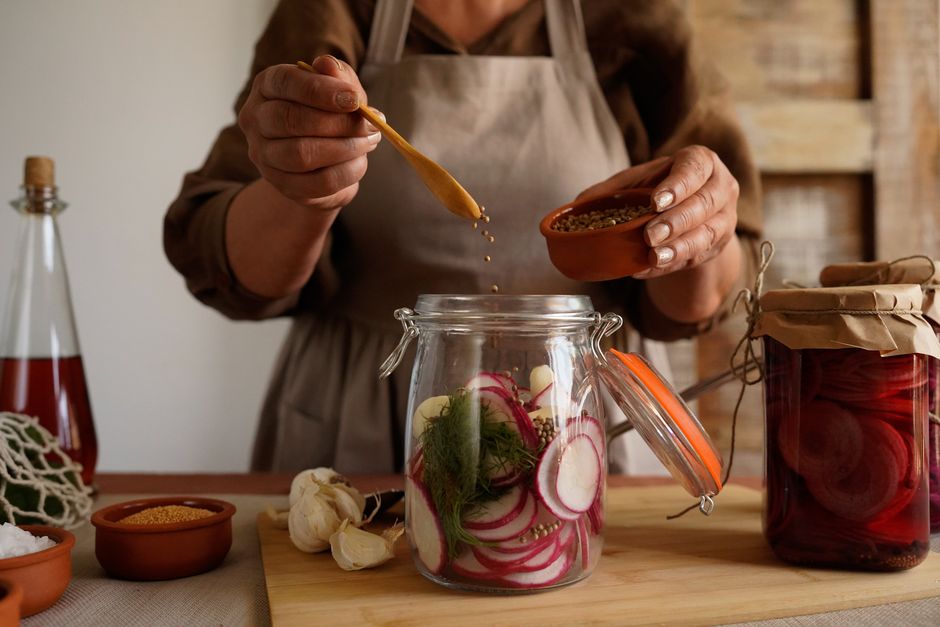
The Resurgence of Ancient Fermentation: A Guide to Modern Preservation
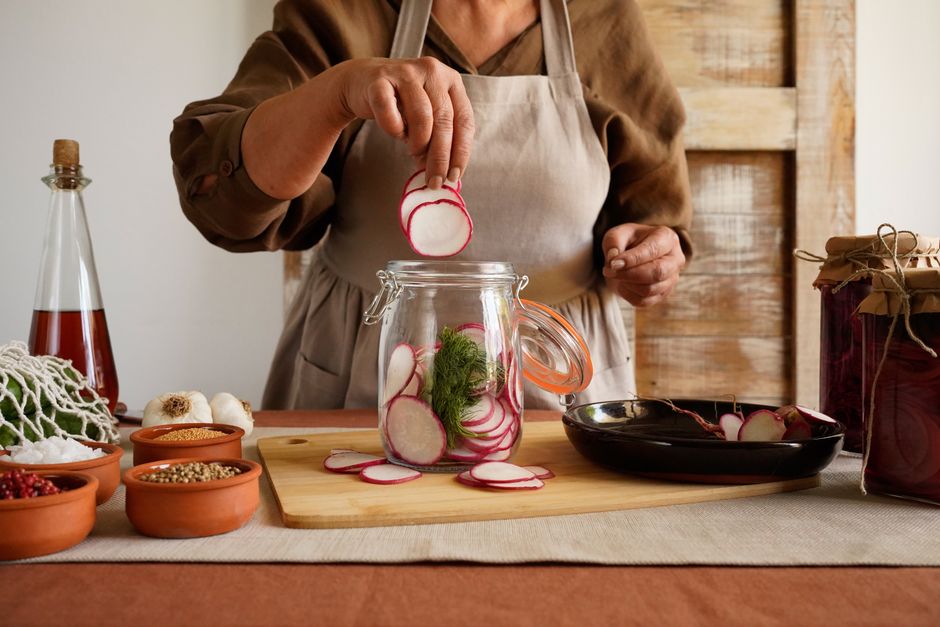
In an era defined by high-speed processing and globalized supply chains, a quiet revolution is taking place in modern kitchens. Home cooks are increasingly turning their backs on sterile, preservative-laden convenience foods in favor of a practice that predates recorded history: fermentation. Once a vital survival strategy, ancient fermentation has evolved into a sophisticated, gut-conscious hobby that bridges the gap between traditional food preservation and contemporary nutritional science.
The Evolution of Preservation: From Survival to Science

For millennia, human survival depended on the ability to store calories during times of scarcity. Before the invention of refrigeration or canning, our ancestors relied on natural processes to prevent decay. While drying and salting were essential, it was the discovery of fermentation that truly transformed the human diet.
Early civilizations observed that milk left in a warm place or vegetables buried in salt changed in ways that improved their longevity and flavor. This was not merely a way to prevent spoilage; it was ancient biotechnology. By encouraging the growth of lactic acid bacteria, ancient cultures created an environment where pathogenic microbes could not survive, turning fleeting seasonal harvests into stable, year-round food sources.
Comparison of Traditional Preservation Methods
| Method | Primary Mechanism | Historical Use |
|---|---|---|
| Drying | Moisture removal | Preserving meat and fruits for travel |
| Salting | Osmotic pressure | Long-term storage of fish and meats |
| Fermentation | Microbial transformation | Enhancing nutrition and gut health |
Fermentation as a Pillar of Sustainable Living
Modern obsession with sterile environments has blinded us to the reality that microbes are not our enemies. Fermentation is a highly sustainable practice that requires minimal energy input—no electricity for freezers or industrial equipment is needed. It relies entirely on the natural cycle of the seasons.
Key sustainability benefits include:
- Reduced Food Waste: Surplus produce is transformed into nutrient-dense staples rather than being discarded.
- Energy Independence: Eliminates the need for cold storage or high-heat canning processes.
- Food Sovereignty: Empowers families to rely on local, seasonal produce throughout the year.
The Science of the Gut-Friendly Pantry
The resurgence of fermentation is driven by research into the human microbiome. We now understand that food is a delivery system for complex biological information. Fermented foods are rich in probiotics (live microorganisms) and prebiotics (fibers that feed those bacteria).
The Benefits of Home Fermentation
- Nutrient Retention: Fermentation often increases the bioavailability of vitamins compared to heat-based canning.
- Enhanced Digestibility: The process breaks down complex compounds in legumes and grains, making them easier to process.
- Superior Flavor: Natural fermentation produces complex flavor profiles that synthetic additives cannot replicate.
- Quality Control: Home fermentation allows you to source organic ingredients and avoid excess sugars or preservatives.
Getting Started: A Simple Path to Fermentation
You do not need a laboratory to begin your journey. The barrier to entry is remarkably low. To start, you only need three things:
- Fresh Produce: High-quality, organic vegetables.
- Salt: Essential for inhibiting harmful bacteria while allowing beneficial ones to thrive.
- Clean Vessel: A simple glass jar is sufficient for most beginner ferments.
Begin with simple vegetable-based ferments like sauerkraut or kimchi. As you gain confidence, you can experiment with more complex ferments, such as kombucha, kefir, or sourdough, to expand your pantry’s diversity.
Frequently Asked Questions
How did ancient civilizations use fermentation?
Ancient cultures used fermentation to ensure food safety during scarcity. By using salt or naturally occurring lactic acid, they transformed perishable milk into cheese or yogurt and raw vegetables into stable, fermented products, allowing for months of storage without refrigeration.
Why is fermentation considered a preservation method?
Fermentation lowers the pH of food through the production of lactic acid. This acidic environment is hostile to spoilage-causing bacteria and pathogens, effectively stabilizing the food and extending its shelf life while simultaneously enhancing its nutritional profile.
Is fermentation traditional or modern?
It is both. While it is a traditional form of biotechnology practiced for thousands of years, it is also a modern focus of scientific study. Today, we use genomic science to understand how specific bacterial strains interact with the human body, bridging the gap between ancestral heritage and cutting-edge health science.
Conclusion
The embrace of fermentation is a meaningful return to a more sustainable, health-conscious way of living. By looking back at ancient methods, we find solutions to many of the problems facing our modern food system. Whether you are driven by gut health or a commitment to reducing your environmental footprint, fermentation transforms the kitchen from a place of consumption into a place of creation.