
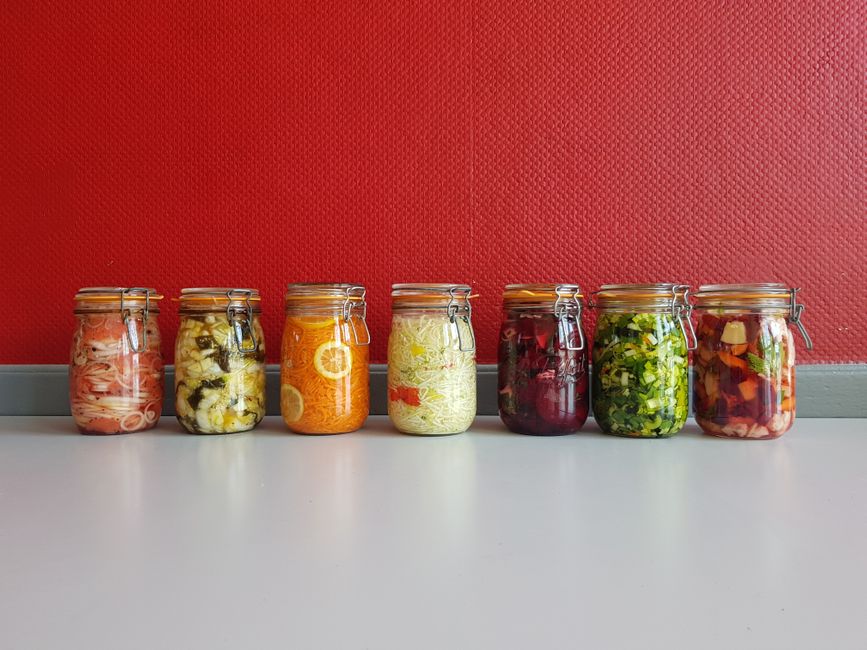
The modern home kitchen is undergoing a quiet revolution, moving away from ultra-processed convenience and toward a deeper engagement with the biological underpinnings of our meals. At the heart of this shift is the ancient practice of fermentation. Once a necessity for survival in a pre-refrigeration world, fermentation has re-emerged as a sophisticated, science-backed hobby that empowers home cooks to transform humble pantry staples into complex, nutrient-dense culinary masterpieces. By harnessing the activity of beneficial microbes, enthusiasts are turning their countertops into miniature laboratories, unlocking flavors and health benefits that simply cannot be replicated by factory-made alternatives.
The Science of Microbial Alchemy
At its core, fermentation is a metabolic process that produces chemical changes in organic substrates through the action of enzymes, bacteria, or yeasts. Unlike decomposition, which is the breakdown of food by undesirable microbes, controlled fermentation is a deliberate act of preservation and flavor enhancement. When you submerge vegetables in a brine or introduce a starter culture to milk, you are creating a selective environment that favors beneficial microorganisms while suppressing the growth of pathogens.
The process functions primarily through anaerobic conditions—the absence of oxygen. When you pack cabbage tightly to make sauerkraut, you force out air, allowing lactic acid bacteria (LAB) to thrive. These bacteria consume the natural sugars in the vegetables and convert them into lactic acid. This byproduct lowers the pH of the environment, creating an acidic landscape that is hospitable to probiotics but hostile to spoilage organisms. This simple chemical shift is the mechanism that preserves the food and develops the signature tang associated with fermented foods.
Nutritional Advantages and Bioavailability
Beyond the sensory experience of sharp, savory flavors, the primary driver for many home fermentation enthusiasts is the nutritional upgrade. Fermentation acts as a form of pre-digestion, breaking down complex compounds into more accessible forms. For example, the fermentation of grains and legumes can reduce levels of phytic acid, an anti-nutrient that binds to minerals like iron and zinc, effectively inhibiting their absorption in the human digestive tract. By reducing these compounds, the fermentation process makes the nutrients in your pantry staples significantly more bioavailable.
Furthermore, the introduction of live, active cultures into your diet supports the gut microbiome. While many commercial fermented products are pasteurized—a process that kills beneficial bacteria to ensure a long shelf life—home-fermented foods remain raw and teeming with diverse microbial life. Regularly consuming these foods introduces a variety of strains that contribute to a resilient gut ecosystem, which is increasingly linked to improved immune function and metabolic health.
Establishing a Home Fermentation Lab
You do not need a sterile laboratory to begin, but you do need an understanding of the variables that govern microbial success. The home kitchen becomes a controlled environment when you master the three pillars of safe fermentation: salinity, temperature, and pH.
The Role of Salinity
Salt is the primary tool for controlling the microbial environment. It serves two purposes: it draws moisture out of the substrate to create the brine, and it acts as a selective agent. By maintaining a salinity level typically between 2% and 5% by weight, you inhibit the growth of pathogenic bacteria like Clostridium botulinum while allowing salt-tolerant lactic acid bacteria to flourish. Precision is key here; using a digital kitchen scale to measure salt ensures consistent results and safety.
Temperature Control
Microbes are highly sensitive to their thermal environment. Most lactic acid fermentations thrive at room temperature, typically between 65 and 75 degrees Fahrenheit. If your kitchen is too cold, the fermentation process will be sluggish, potentially allowing unwanted molds to gain a foothold before the acidity levels drop. If it is too warm, the process may happen too quickly, resulting in mushy textures and less complex flavor development. Finding a stable spot in your kitchen—away from direct sunlight and heat sources—is essential.
Monitoring pH
For the serious hobbyist, pH testing strips or a digital pH meter provide an objective measure of safety. A successful lacto-fermentation should drop to a pH of 4.6 or lower relatively quickly. Once the pH reaches this threshold, the environment is considered safe from the most dangerous food-borne pathogens. Monitoring the decline of pH provides peace of mind and allows you to track exactly when your ferment has reached its peak acidity.
| Fermentation Type | Primary Microbes | Common Substrate | Primary Byproduct |
|---|---|---|---|
| Lacto-fermentation | Lactobacillus | Vegetables, Dairy | Lactic Acid |
| Alcoholic Fermentation | Yeasts | Fruit Juices, Grains | Ethanol and CO2 |
| Acetic Acid Fermentation | Acetobacter | Alcoholic Liquids | Acetic Acid (Vinegar) |
| Koji Fermentation | Aspergillus oryzae | Rice, Soybeans | Enzymes (Protease/Amylase) |
Frequently Asked Questions
Is it safe to ferment food at home?
Yes, provided you follow established food safety standards. The most important rule is to keep your vegetables submerged under the brine. Oxygen is the enemy of lacto-fermentation, as it allows surface molds to grow. Using fermentation weights or glass follower lids helps ensure the food remains anaerobic. If your ferment smells rotten, shows fuzzy mold, or has an unappealing texture, it is always safer to discard it.
How do I know when the fermentation is finished?
Fermentation is a spectrum rather than a binary state. Taste is your best indicator. Start sampling your ferment after a few days. The flavor will evolve from raw to bright, then to deeply sour and complex. Once you reach a flavor profile you enjoy, move the jar to the refrigerator. The cold temperature significantly slows down microbial activity, effectively pausing the fermentation process and allowing you to store the product for months.
Do I need expensive equipment to get started?
Not at all. While specialized airlock lids and fermentation weights are convenient, you can start with a simple glass mason jar and a clean cloth secured with a rubber band. The most important investment is a high-quality digital scale to ensure your salinity ratios are accurate. Once you fall in love with the hobby, you can upgrade to specialized ceramic crocks or vacuum-seal bags, which are excellent for long-term ferments.
Conclusion
The transition from a passive consumer to an active fermenter represents a profound change in how we relate to our food. By embracing the science of fermentation, you are not just making pickles or sauerkraut; you are engaging in a biological process that has sustained human civilization for millennia. This hobby invites you to slow down, observe the microscopic activity in your jars, and appreciate the transformation of simple pantry staples into complex, probiotic-rich nourishment. As you refine your techniques and experiment with new ingredients, you will find that the kitchen becomes more than a room for cooking—it becomes a space for discovery, health, and the mastery of one of nature’s most fascinating processes.