
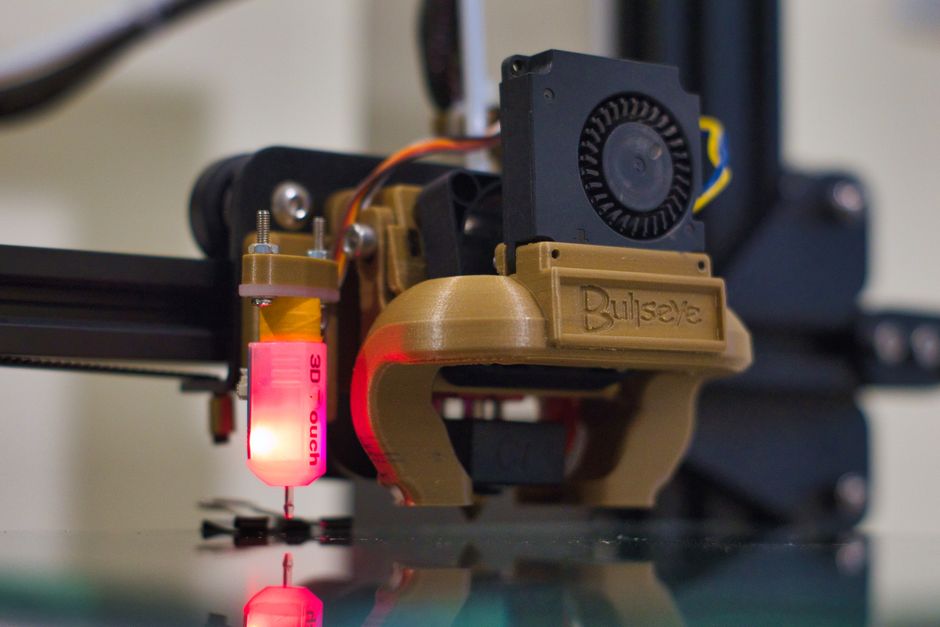
The landscape of the jewelry industry is undergoing a seismic shift, moving away from the rigid, centuries-old constraints of hammer and anvil toward a digital frontier where design knows no bounds. At the forefront of this transformation is the “second-skin” aesthetic—a design philosophy enabled by additive manufacturing that creates pieces which mirror the intricate contours and natural movements of the human body. As 3D printing technology matures, it is challenging the very definition of metalsmithing, offering a level of precision and structural complexity that traditional hand-crafting simply cannot replicate.
The Evolution of Form: From Casting to Additive Manufacturing
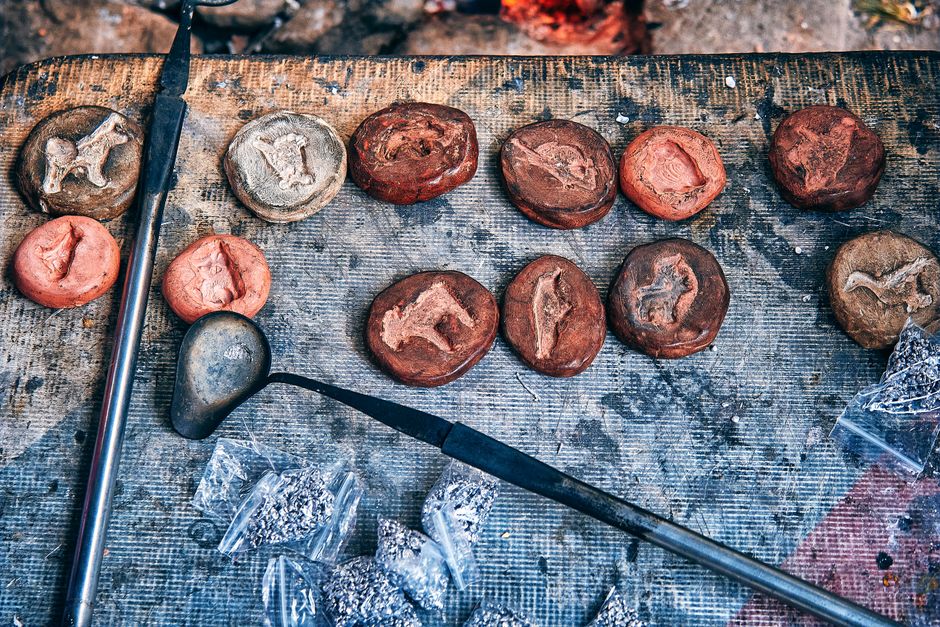
For generations, the production of fine jewelry relied on subtractive methods or lost-wax casting. While these techniques are foundational to the jewelry industry, they are inherently limited by the geometry of molds and the physical reach of tools. Traditional metalsmithing requires a designer to work within the physical constraints of what can be carved, soldered, or cast. If a design is too intricate, it risks structural failure during the cooling process or becomes impossible to remove from a mold.
3D printing, or additive manufacturing, flips this script entirely. By building objects layer-by-layer, designers can create hollow, interlocking, and complex lattice structures that were previously conceptual dreams. This is where the second-skin aesthetic thrives. Using generative design software, artists can input biometric data to create pieces that drape over the collarbone or wrap around the wrist with the fluidity of fabric, yet possess the enduring strength of precious metal.
Direct Metal Laser Sintering: The Engine of Innovation
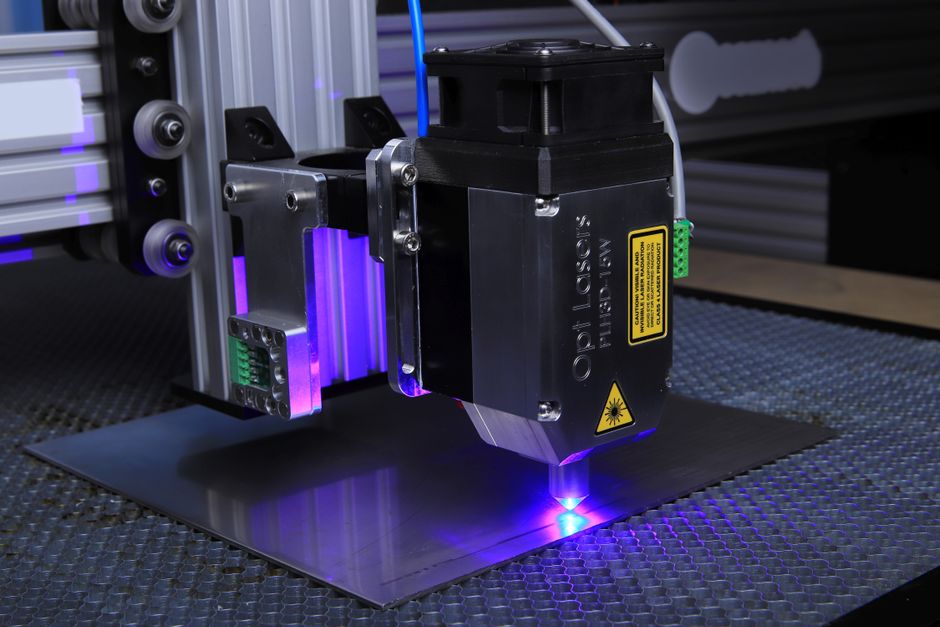
The primary catalyst for this shift is Direct Metal Laser Sintering (DMLS). Unlike early 3D printing methods that were largely limited to plastics, DMLS allows for the printing of high-quality metals, including gold, platinum, and silver. The process involves a high-powered laser that fuses fine metal powder into a solid, dense structure. This technology has become the bedrock of a new era in the jewelry industry, allowing for designs that are not only aesthetically unique but also structurally sound.
Unlocking Organic Geometries
The true power of DMLS lies in its ability to produce geometries that defy traditional manufacturing logic. Because the printer builds from the bottom up, it can create internal support structures that are removed after the print is complete. This allows for pieces that feature nested shapes, moving parts that are printed as a single assembly, and hyper-detailed patterns that mimic biological textures. Such designs are increasingly popular among consumers who view jewelry as an extension of their personal identity rather than just an accessory.
Efficiency and Customization in the Jewelry Industry
Beyond the aesthetic revolution, 3D printing offers significant logistical advantages. In the traditional jewelry industry, the lead time from concept to finished product can be measured in weeks or months. Additive manufacturing drastically reduces this time. A designer can iterate on a digital model, print a prototype in hours, and move to final production in metal with minimal waste.
This efficiency supports a shift toward on-demand manufacturing. Rather than keeping large inventories of pre-cast items, brands can now print pieces only when an order is placed. This reduces the overhead costs associated with storing precious metals and allows for a higher degree of mass customization. A ring can be perfectly calibrated to the exact millimeter of a customer’s finger, with the internal lattice adjusted to be denser or lighter based on the wearer’s preference for weight.
Comparing Traditional and Additive Methods
| Feature | Traditional Metalsmithing | 3D Printed Jewelry |
|---|---|---|
| Design Complexity | Limited by mold/tool access | Virtually unlimited, organic |
| Material Waste | High (filing, scrap metal) | Low (powder is recycled) |
| Production Time | Extended (multi-step process) | Rapid (direct to metal) |
| Customization | Difficult/Costly | Scalable and precise |
FAQ: Understanding the Digital Jewelry Shift
Is 3D printed jewelry safe?
Yes, 3D printed jewelry is safe, provided it is produced using high-quality materials and professional-grade DMLS machines. The metal powders used in the process are fully fused, resulting in a solid, non-porous surface. Most reputable manufacturers apply a polishing and finishing process to ensure the piece is smooth and hypoallergenic. Consumers should look for reputable brands that provide information on the purity of the metal used.
Why is 3D printing not popular?
While 3D printing is growing rapidly, it is not yet ubiquitous in every corner of the jewelry industry due to the high barrier to entry regarding equipment costs. The machinery required for high-quality metal printing is expensive, and the expertise needed to design for additive manufacturing is a specialized skill set. However, as the technology becomes more accessible and cost-effective, its popularity continues to rise among independent designers and luxury houses alike.
Is anything illegal to 3D print?
In the context of the jewelry industry, there are no specific laws against 3D printing jewelry. However, intellectual property laws apply. Printing designs that are protected by copyright or trademark is illegal and unethical. As with traditional manufacturing, creators must respect the design rights of others and ensure they are not producing counterfeit goods.
Is 3D printing 40K illegal?
The term “40K” usually refers to the Warhammer 40,000 tabletop game and its associated miniature figures. While it is not illegal to own a 3D printer, printing copyrighted models from companies like Games Workshop for commercial resale or distribution is a violation of intellectual property law. For the jewelry industry, this highlights the importance of original design and digital rights management.
Conclusion
The integration of 3D printing into the jewelry industry represents more than just a technological upgrade; it is a fundamental shift in the relationship between the wearer and the object. By enabling the second-skin aesthetic, designers are moving toward a future where jewelry is truly bespoke, organic, and perfectly aligned with the human form. While traditional metalsmithing will always hold a place in history for its artisanal charm, the precision, speed, and creative potential of additive manufacturing have cemented its role as the new standard for innovation. As the technology continues to evolve, we can expect the boundary between the digital and the physical to blur even further, resulting in creations that were once thought impossible to forge.