
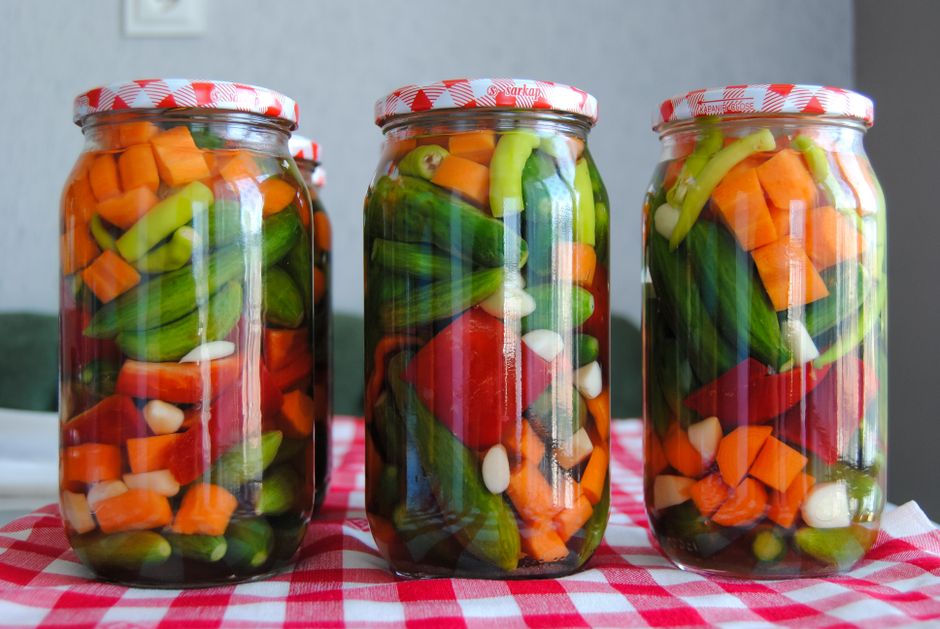
The Art of Traditional Food Preservation: A Modern Revival

In an era dominated by hyper-processed, shelf-stable goods, a quiet revolution is unfolding in kitchens worldwide. Home cooks and professional chefs are rediscovering the transformative power of traditional preservation. While modern industrial methods prioritize speed and sterility, ancient techniques offer superior flavor, enhanced digestibility, and a deeper connection to our food. By reviving the art of the crock, the brine, and the smokehouse, we turn raw ingredients into nutrient-dense culinary masterpieces.
Why Traditional Preservation Matters
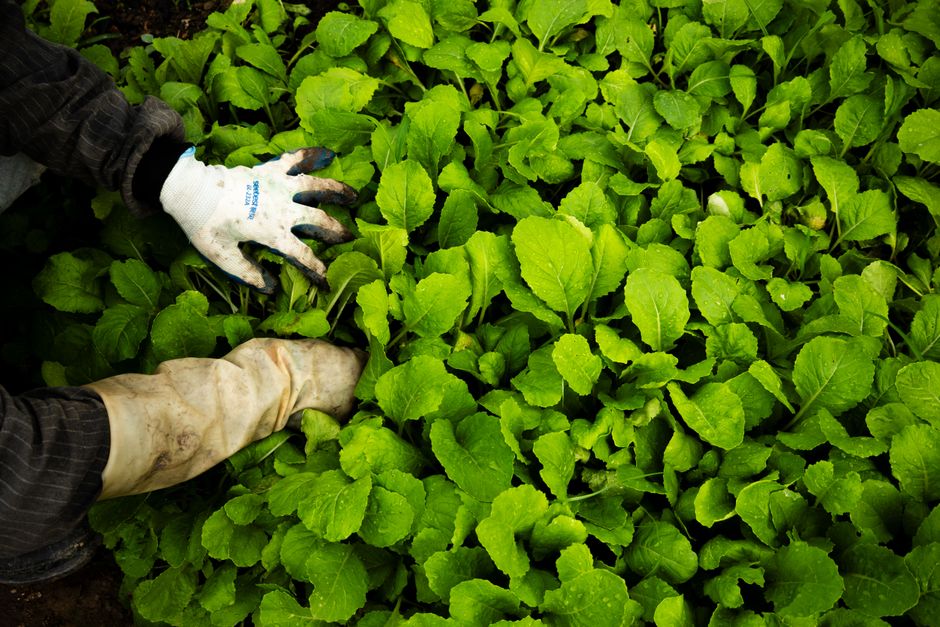
Beyond the simple goal of preventing spoilage, traditional preservation techniques function as a form of “culinary alchemy.” These methods offer three distinct advantages over modern industrial processing:
- Nutritional Enhancement: Fermentation, in particular, increases bioavailability and introduces beneficial probiotics.
- Flavor Depth: Slow processes allow for the development of complex umami and tangy profiles that cannot be replicated in a factory.
- Sustainability: These methods require little to no electricity, reducing reliance on energy-intensive refrigeration and minimizing food waste.
The Five Pillars of Preservation
Most traditional preservation methods rely on manipulating the environment to inhibit spoilage-causing microorganisms. The following five pillars remain the foundation of effective food storage:
- Fermentation: Utilizing beneficial bacteria to create acidic environments that preserve food while enhancing flavor.
- Drying/Dehydration: Removing moisture to prevent the growth of bacteria, yeast, and mold.
- Salting/Curing: Using osmotic pressure to draw moisture out of tissues and create an inhospitable environment for pathogens.
- Smoking: Combining surface dehydration with the antimicrobial properties of wood smoke.
- Pickling: Submerging food in an acidic medium, such as vinegar or a lactic-acid brine, to prevent spoilage.
Comparative Analysis of Preservation Techniques
Different methods affect the final product in unique ways. Use this guide to choose the best technique for your ingredients:
| Method | Primary Mechanism | Flavor Profile | Nutritional Impact |
|---|---|---|---|
| Fermentation | Biological acidification | Complex, tangy, umami | High (Probiotic increase) |
| Dehydration | Moisture removal | Concentrated, sweet | Moderate (Vitamin loss) |
| Curing/Salting | Osmotic pressure | Salty, savory | Neutral |
| Canning | Thermal sterilization | Muted, softened | Variable (Heat-sensitive loss) |
Practical Tips for the Modern Kitchen
Integrating these methods into your routine does not require specialized industrial equipment. Consider these entry points:
- Start with Fermentation: Begin with simple sauerkraut or kimchi. These require only cabbage, salt, and a clean glass jar.
- Utilize Air-Drying: Hang bundles of fresh herbs or slice thin pieces of fruit to dry in a warm, low-humidity area of your kitchen.
- Create a Pantry System: Use salt-curing for proteins and pickling for seasonal vegetables to extend their shelf life without needing a freezer.
Frequently Asked Questions
What is the oldest method of preserving food?
Drying is the oldest known method. Early humans used the sun and wind to remove moisture from meat, fish, and fruits, allowing them to survive lean seasons long before the discovery of fire.
How many methods of food preservation exist?
While the five pillars cover the basics, food science recognizes 13 distinct techniques, including freezing, pasteurization, freeze-drying, chemical preservation, and irradiation, each suited to specific pH levels and water activity requirements.
How did people preserve meat before refrigeration?
In the 1800s, meat preservation relied on a combination of curing and smoking. Large cuts were packed in salt barrels to draw out moisture, followed by smoking over hardwood, which added protective antimicrobial compounds to the surface.
Conclusion
Reviving ancient preservation techniques is a pragmatic response to the limitations of modern food systems. By mastering these skills, you gain autonomy over your food supply and participate in a culinary lineage that has sustained humanity for millennia. Whether you are fermenting your first batch of vegetables or drying herbs, you are choosing a more sustainable, flavorful, and self-reliant way to eat.