
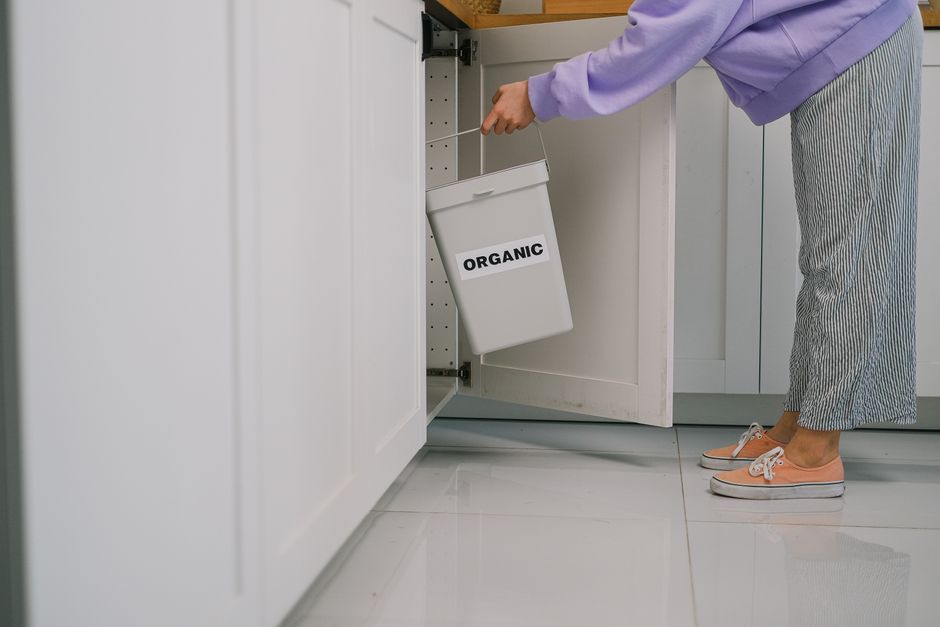
For the modern home cook, the kitchen is more than just a place to prepare meals; it is the heart of the home where sustainability meets convenience. As we become more conscious of our environmental footprint, the smart-kitchen compost revolution has emerged as a game-changer. The promise is enticing: a sleek, countertop bin that turns food waste into compost in under 24 hours. However, as with any technological leap, understanding the mechanics behind these devices is essential for any home chef looking to turn scraps into soil responsibly.
Understanding the Technology: Dehydrators vs. Biological Composters

When searching for a food waste composting machine for home use, you will quickly encounter two distinct categories of technology. It is vital to distinguish between them, as the end product they produce is fundamentally different.
The Dehydration Method
Most compact electric devices marketed as composters are actually food scrap dehydrators. These units use a combination of heat, mechanical agitation, and airflow to strip moisture from your food waste. Over a cycle of several hours, your scraps are ground into a dry, shelf-stable, soil-like powder. While these machines are excellent at reducing the volume of your waste by up to 90 percent and eliminating the odors associated with a traditional kitchen food waste organizer, they do not produce true compost. Because the process is essentially heat-sterilization, the resulting material lacks the beneficial microbes and biological activity required to build soil structure.
The Biological Decomposition Method
A smaller, more specialized segment of the market—exemplified by units like the Reencle—utilizes biological decomposition. These machines maintain a controlled environment where microorganisms break down organic matter in a way that mimics nature, only at an accelerated pace. These devices are designed to run 24/7, allowing you to continuously add scraps. The output from these machines is a biologically active, nutrient-rich amendment that can truly be classified as compost, though it often requires a short curing period before being introduced to delicate plants.
Choosing the Best Smart Kitchen Composter

Selecting the best smart kitchen compost revolution tool depends largely on your goals. If your primary objective is waste reduction and minimizing trips to the trash bin, a dehydrator is a highly effective, space-saving solution. If your priority is creating a living soil amendment for your garden or houseplants, a biological composter is the superior choice. Regardless of the device, proper placement is key. For maximum convenience, position your bin in the kitchen near the sink or your primary food prep area. An island is an ideal location, as it keeps the unit accessible while you are cooking.
Optimizing Your Composting Routine
To get the most out of your kitchen system, consider these best practices for managing food waste:
- Diversify your scraps: While most machines handle vegetable peels, fruit scraps, and coffee grounds, avoid large bones, pits, or excessive oils, which can jam the internal mechanisms of some units.
- Mind the moisture: For dehydration units, adding extremely wet waste can increase cycle times. For biological units, maintaining a specific moisture balance is often necessary for the microbes to thrive.
- Follow the Manual: Whether you are using a generic device or a specific model, always consult your Ouaken composter manual or the equivalent documentation for your device. These manuals provide critical information on maintenance, such as how often to replace carbon filters or how to clean the internal grinding chamber. If you have misplaced your guide, searching for a “Ouaken Composter Manual PDF” online is the fastest way to troubleshoot performance issues.
- Curing the output: Never assume the output is ready to use as a direct replacement for potting soil. In most cases, you should mix the processed material into existing soil at a ratio of 10 to 20 percent by volume.
Frequently Asked Questions
How long does it take for food waste to turn into compost?
The timeline varies by technology. Dehydration-based electric composters can reduce food waste into a dry, granular material in as little as 2 to 8 hours. Biological composters, which use living microbes to break down waste, typically take longer to produce a mature end product, often requiring a cycle of 24 hours to several days, followed by a curing period of a few weeks to ensure the material is safe for plant roots.
How often should I pee on compost?
This is a common question regarding traditional outdoor hot-composting piles. Urine is a rich source of nitrogen, which can help “heat up” a slow-moving compost pile. However, you should never add human waste, including urine, to a smart kitchen electric composter. These indoor machines are designed exclusively for food waste. Adding non-food items can damage the motor, ruin the internal sensors, and create significant sanitation and odor issues within your kitchen.
How to turn food scraps into soil?
Turning food scraps into soil is a biological process. In a smart kitchen device, you are essentially accelerating the decomposition phase. To turn your scraps into usable soil, you must first process them through your machine. Once you have the dehydrated powder or the biologically active output, you must mix it with existing soil or compost. The final transformation into “soil” happens in your garden bed or pot, where local worms, fungi, and bacteria finish the breakdown process over several weeks.
What is the name for the machine that turns food into compost?
These devices are most commonly referred to as electric food waste composters, kitchen composters, or food scrap dehydrators. While the industry often uses the term “composter” as a blanket label, it is important to check the product specifications to see if the machine uses heat-dehydration or biological decomposition, as this defines the quality of the final output.
Conclusion
The smart-kitchen compost revolution has successfully transformed how we manage organic waste, making it possible to divert significant amounts of material from landfills right from the comfort of our homes. Whether you choose a dehydration-based unit for its speed and volume reduction or a biological unit for its ability to create living, nutrient-dense soil, you are making a positive impact. By integrating these machines into your daily cooking routine, you are not only streamlining your kitchen workflow but also participating in a more circular approach to food consumption. Remember to consult your device’s manual, keep your filters clean, and treat your garden to the processed nutrients your kitchen scraps provide.