
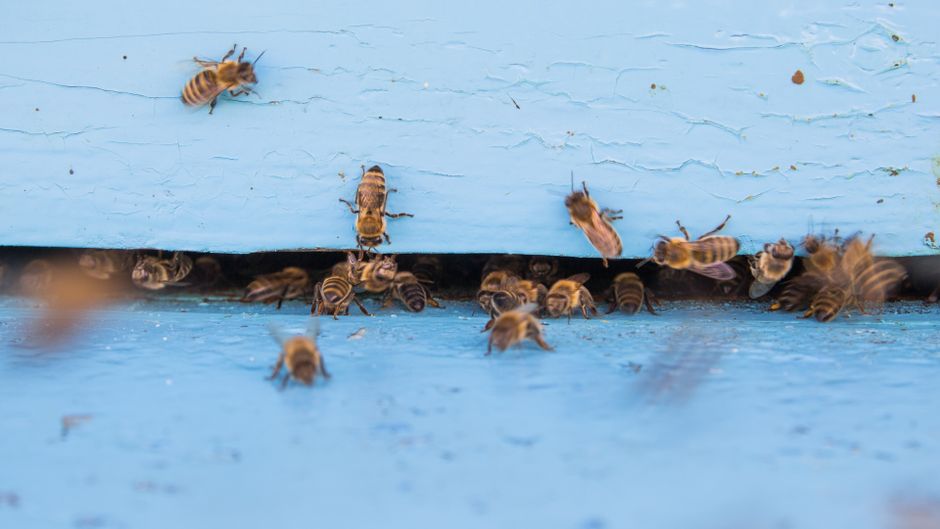
The integration of technology into apiculture is transforming the way we interact with one of nature’s most vital pollinators. Urban beekeeping, once a rustic endeavor defined by manual inspections and intuition, is entering a new era of precision. By deploying a smart beehive system, apiarists can now bridge the gap between traditional husbandry and modern data science. This evolution, often referred to as precision beekeeping, focuses on non-invasive, continuous monitoring to support the health and productivity of colonies while minimizing unnecessary human interference. As urban environments become critical refuges for honey bees, the ability to monitor these insects through an AI bee hive framework offers a sustainable path forward, ensuring that colonies thrive even in the complex, high-pressure conditions of city living.
The Evolution of Precision Beekeeping

Precision beekeeping is defined by a management strategy that prioritizes data-driven decision-making. The primary objective is not to replace the beekeeper’s expertise but to augment it with actionable intelligence. In a traditional setting, a beekeeper might open a hive to check for the queen’s presence or signs of disease, an action that inevitably causes stress and disrupts the colony’s microclimate. A smart bee hive monitoring system changes this dynamic by providing a window into the inner workings of the hive without requiring the lid to be lifted.
At the heart of this transition is the shift toward autonomous, networked sensing. Modern smart hives utilize a combination of internal and external sensors to track environmental variables and colony behavior. By collecting data on weight, temperature, and acoustic activity, beekeepers can receive alerts on their smartphones, allowing them to inspect only those hives that truly require intervention. This targeted approach is particularly beneficial for urban beekeepers who may manage apiaries on rooftops or in community gardens where frequent, unnecessary site visits are logistically difficult.
Key Technologies in Smart Apiaries
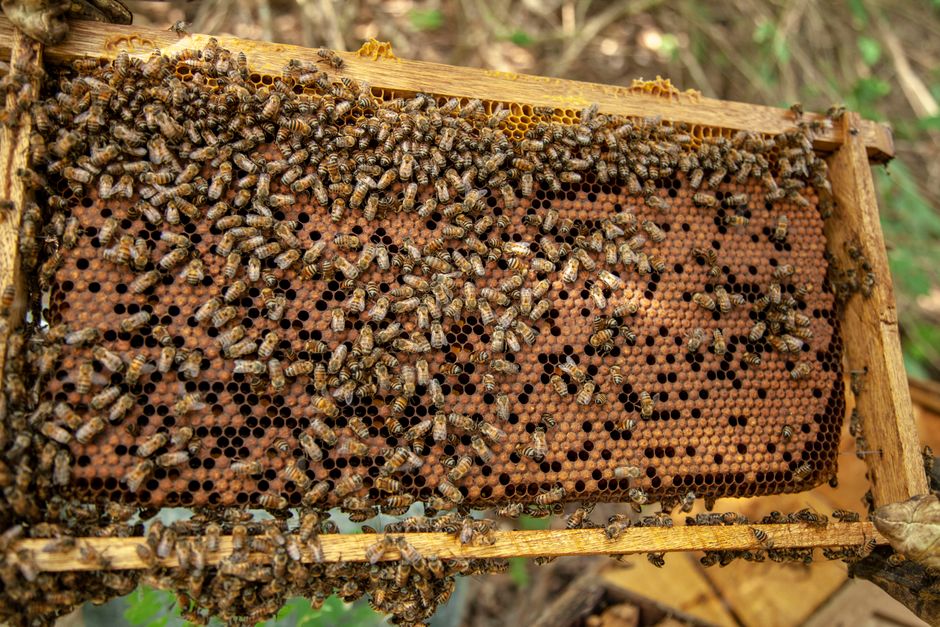
A functional smart-hive system relies on a multi-layered architecture to collect and transmit data. The most effective systems utilize a decentralized topology, where each hive operates as an independent, self-contained unit. This ensures that the failure of one sensor or power source does not compromise the entire apiary, a critical advantage for reliability in the field.
Environmental and Physiological Monitoring
Internal temperature and humidity are perhaps the most vital metrics for assessing colony health. By placing sensors strategically—often on individual frames—beekeepers can track the brood status, the dynamics of the winter cluster, and the onset of queen laying. A sudden drop in temperature might indicate a failing queen or a colony that has succumbed to the elements, while unexpected spikes can signal swarming tendencies. Coupled with hive weight measurements, these sensors provide a comprehensive view of the colony’s food consumption and foraging success. A steady weight gain suggests a healthy nectar flow, whereas a rapid, unexplained decline might indicate starvation or absconding.
Acoustic and Behavioral Tracking
Beyond static measurements, advanced monitoring includes audio-based activity sensors. Unlike video-based systems, which are power-intensive and require significant processing, audio interpretation is highly energy-efficient. Software algorithms can analyze the frequency and rhythm of the bees’ vibrations to detect specific behaviors. These monitors can distinguish between normal foraging, orientation flights, and the unique acoustic signatures of a colony preparing to swarm. By capturing this data in real time, beekeepers can proactively manage their hives, preventing swarms before they occur and maintaining colony strength throughout the season.
Traffic Analysis with Bee Counters
Bee counters represent the frontier of automated colony assessment. By employing optical or electrical field sensors at the hive entrance, these devices tally the number of bees entering and exiting the hive. By tracking this traffic in real time, beekeepers can establish a baseline for normal activity. Significant deviations—such as a sharp decrease in returning foragers—can act as an early warning sign for colony collapse or high mortality rates. This quantitative data allows for a level of management precision that was previously impossible to achieve without constant, manual observation.
Data Transmission and Power Management
The operational success of any smart apiary hinges on how data is handled. In remote or urban settings, Wi-Fi and Bluetooth are often impractical due to range limitations and the complexity of local network infrastructure. Consequently, cellular data communication (GSM) has become the gold standard for modern smart hives. By using IoT and M2M communication protocols, hives can transmit hourly records directly to a cloud-based server. Because these systems are typically powered by integrated solar panels and battery buffers, they can operate autonomously for extended periods, making them ideal for the distributed nature of urban beekeeping.
| Monitoring Feature | Primary Benefit | Data Type |
|---|---|---|
| Internal Temperature | Brood health and winter survival | Continuous (Hourly) |
| Hive Weight | Resource management and foraging | Continuous (Hourly) |
| Audio Monitoring | Swarm and behavioral detection | Event-triggered/Continuous |
| Bee Counters | Mortality and activity tracking | Real-time flow metrics |
Frequently Asked Questions
What is the best beehive monitoring system?
The best system is one that balances your specific needs for data granularity with your budget. Systems that offer a decentralized architecture—where each hive is independent—are generally considered more robust. Look for platforms that integrate multiple sensor types, such as weight, temperature, and audio, and that provide a user-friendly app for real-time notifications. The Paradise smart bee hive and other similar IoT-based solutions are currently leading the market in providing reliable, long-term monitoring.
What is a bees worst enemy?
While environmental factors play a large role, the Varroa destructor mite is widely considered the most significant threat to honey bee colonies globally. These parasites weaken bees and transmit viruses, which can lead to colony collapse. Other threats include habitat loss, pesticide exposure, and extreme weather patterns. Smart monitoring helps by allowing beekeepers to detect signs of stress earlier, providing a window to apply treatments or interventions before the colony is overwhelmed.
Why are skep hives illegal?
Skep hives, which are traditional dome-shaped baskets made of coiled straw, are illegal in many jurisdictions because they prevent the beekeeper from performing proper inspections. Because the bees build their comb in a fixed, non-movable structure, it is impossible to inspect the brood for diseases like American Foulbrood or to assess the health of the queen. Modern beekeeping laws require hives with movable frames to ensure that apiarists can maintain high standards of disease control and colony management.
How expensive is it to beekeep?
The cost of beekeeping varies widely based on the scale of the operation and the level of technology employed. Initial costs include the hive equipment, protective gear, and the bees themselves. While a basic setup can be relatively affordable, incorporating a smart bee hive monitoring system adds an upfront hardware cost and potential subscription fees for data transmission. However, many beekeepers find that the investment pays for itself by reducing colony loss and increasing honey yield through more efficient management.
Conclusion
The integration of smart technology into the apiary is not merely a trend; it is a necessary evolution for the future of beekeeping. As urban spaces continue to expand and the pressures on honey bee populations grow, the ability to monitor colonies with precision becomes an invaluable asset. By leveraging AI-powered hive monitoring and decentralized IoT networks, beekeepers can move away from reactive management and toward a proactive, evidence-based approach. This shift ensures that our winged partners receive the care they need, fostering healthier colonies and more sustainable urban ecosystems. Whether you are a hobbyist in a city backyard or a professional managing multiple sites, the smart apiary offers a powerful, data-driven bridge to the future of apiculture.