
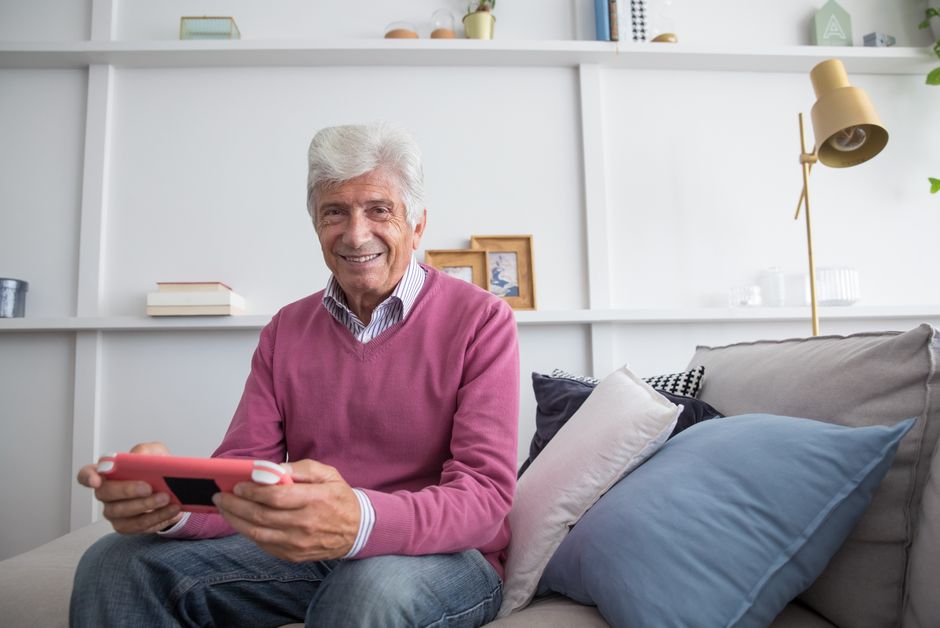
For decades, the cultural perception of gaming was restricted to teenagers in basements or competitive esports professionals. However, as the demographic of the modern world shifts, a new player has entered the arena: the aging population. Neuro-gaming, the intersection of neuroscience and interactive entertainment, is emerging as a sophisticated tool for maintaining mental acuity. As we seek ways to protect our cognitive health, many are asking if the best neuro gaming for seniors can cognitive training video games delay age related decline, or if these digital experiences are merely a passing hobby. The science suggests that when designed with specific neurological goals in mind, video games for seniors brain health can act as a gym for the mind, targeting executive function, memory, and processing speed.
The Science of Neuro-Gaming: Why Games Matter
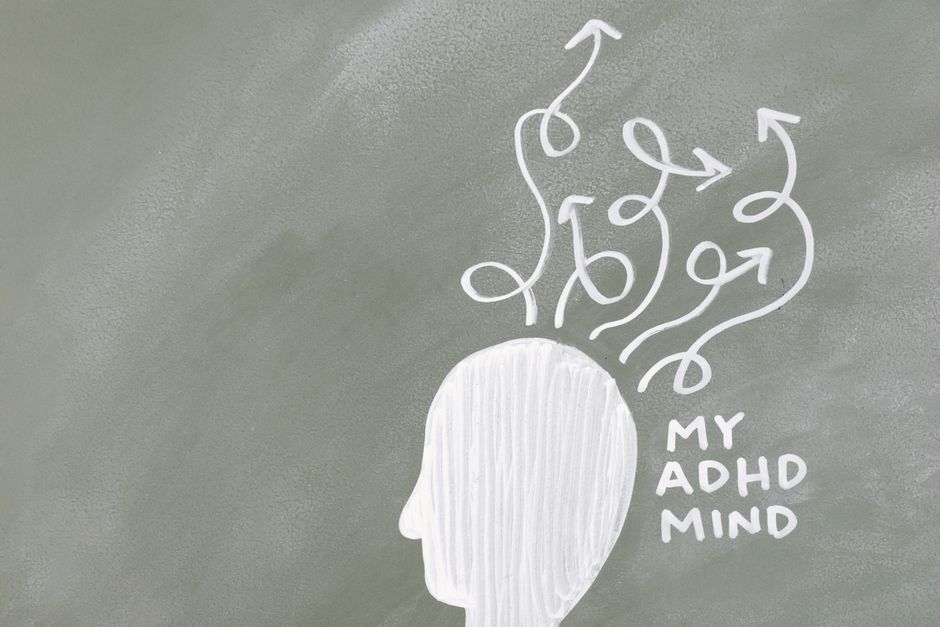
The brain is remarkably plastic, a concept known as neuroplasticity, which refers to the organ’s ability to reorganize itself by forming new neural connections throughout life. Unlike physical muscles, which have clear pathways for growth, the brain requires complex, novel, and challenging stimuli to maintain its efficiency. Cognitive training video games are specifically engineered to provide this stimulation by requiring the player to juggle multiple streams of information, solve complex puzzles, or react to dynamic environments.
Improving Neural Plasticity and Cognitive Control
Research, most notably studies involving the NeuroRacer platform, has demonstrated that specific types of multitasking training can lead to measurable improvements in cognitive control among older adults. By forcing the brain to suppress distractions while focusing on a primary task, players can strengthen the neural pathways associated with executive function. This is significant because executive function—which includes planning, working memory, and mental flexibility—is often one of the first areas to decline during the natural aging process.
Gamification as a Driver for Adherence
The primary hurdle in any cognitive intervention is adherence. Traditional brain-training exercises are often monotonous, leading to high dropout rates. Neuro-gaming changes this dynamic through gamification. By incorporating rewards, narrative progression, and increasing levels of difficulty, these games maintain the player’s engagement over longer periods. When older adults find a game that is enjoyable, the cognitive benefits of computer games for older adults are sustained through consistent, long-term practice rather than sporadic, short-term effort.
Categories of Cognitive Games for Seniors
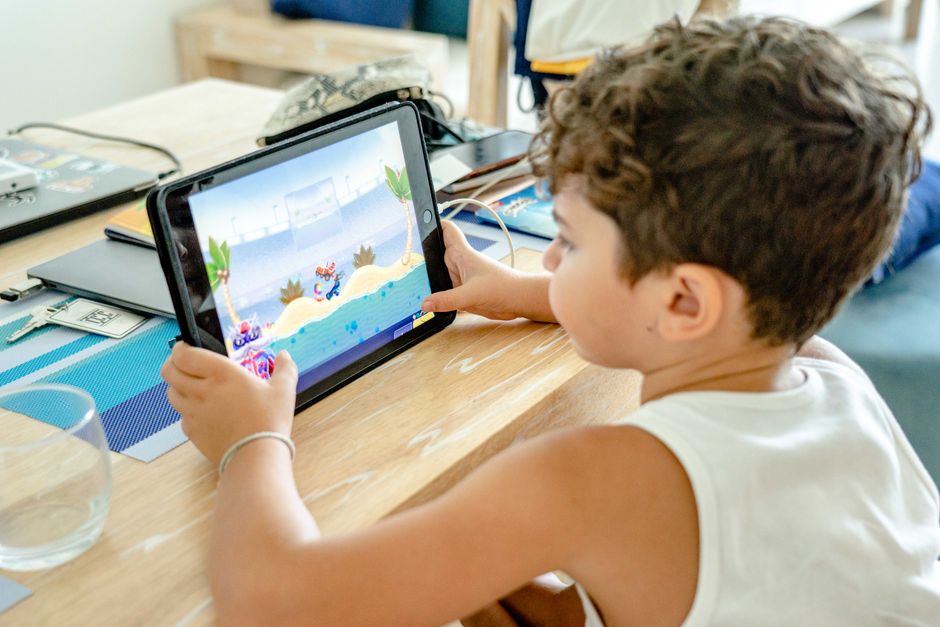
Not all games are created equal when it comes to brain health. To maximize potential benefits, it is helpful to categorize games based on the cognitive domains they exercise. Whether an individual is looking for video games for elderly to play alone or seeking social gaming experiences, the following categories offer distinct advantages:
| Game Category | Primary Cognitive Benefit | Examples/Types |
|---|---|---|
| Strategy Games | Planning and Executive Function | Chess, Civilization, Resource Management |
| Action/Multitasking Games | Processing Speed and Attention | NeuroRacer, Fast-paced Platformers |
| Memory/Puzzle Games | Working Memory and Recall | Sudoku apps, Lumosity, Pattern Matching |
| Virtual Reality (VR) | Spatial Awareness and Engagement | Immersive Exploration, Physical/Virtual Hybrids |
Addressing the Challenge of Transfer Effects
One of the most debated topics in neuro-gaming research is the concept of transfer effects. While a player may become an expert at a specific game—improving their “game score”—does this translate to better performance in real-world daily activities, such as driving, managing finances, or navigating a supermarket? Current systematic reviews suggest that while near-transfer (improving at similar tasks) is well-documented, far-transfer (improving general daily life functioning) remains limited and difficult to quantify. Nevertheless, the consensus is shifting toward the idea that keeping the brain active is a “use it or lose it” proposition, and consistent mental stimulation is objectively better than stagnation.
Video Games for Seniors: Practical Considerations
For those interested in integrating technology into their lifestyle, it is important to choose software that is accessible. For many, video games for elderly to play alone provide a sense of autonomy and accomplishment. When selecting games, look for titles that offer adjustable difficulty settings, clear interfaces, and a lack of punishing time limits that could cause unnecessary frustration. The goal is to induce a state of “flow”—where the game is challenging enough to be engaging but not so difficult that it causes the player to quit.
Video Games for Alzheimer’s Patients
The role of gaming in dementia care is a burgeoning field. While no game can claim to be a cure, researchers are exploring how video games for Alzheimer’s patients can help reduce anxiety, improve mood, and provide a sense of agency. By using simplified interfaces or familiar themes, these games can serve as a non-pharmacological intervention, helping patients maintain a level of cognitive engagement that might otherwise be lost.
Frequently Asked Questions
Does video gaming slow down brain aging?
While research is ongoing, current studies suggest that consistent, challenging cognitive engagement through video games can improve specific brain functions like processing speed and attention. While this does not stop the biological aging process, it can enhance cognitive reserve, potentially helping the brain maintain its functionality for longer.
Can a 70 year old play video games?
Absolutely. There is no upper age limit for gaming. Modern consoles, tablets, and computers offer a vast array of games that are accessible to all ages. The key is to start with intuitive games that align with the player’s personal interests and gradually build complexity as comfort levels increase.
What brain game can cut dementia risk by 25%?
It is important to be wary of marketing claims that suggest a single game can “cut” dementia risk by a specific percentage. Dementia is a complex, multifactorial condition. While cognitive training is a powerful tool for brain health, no singular game has been clinically proven to reduce dementia risk by an exact, universal percentage. Holistic lifestyle changes, including exercise, nutrition, and social engagement, remain the most effective strategy.
What hobby can reduce dementia by 76%?
Some widely cited studies have suggested that specific cognitively stimulating hobbies—such as playing a musical instrument or engaging in complex, social group activities—can correlate with a significant reduction in dementia risk. However, it is vital to interpret these statistics carefully. These findings are often based on observational data, meaning that people who already have higher cognitive function may be more likely to pursue these hobbies. It is not necessarily the hobby alone that causes the reduction, but rather the sustained, complex cognitive activity it requires.
Conclusion
The question of whether video games help prevent Alzheimer’s or significantly delay age-related decline is complex, but the emerging evidence is encouraging. Neuro-gaming offers a promising, engaging method to keep the brain active, resilient, and stimulated. By treating cognitive health as a lifelong pursuit—much like physical exercise—older adults can leverage technology to improve their quality of life. Whether through strategy games, memory puzzles, or immersive VR experiences, the act of playing is a powerful, accessible way to maintain mental sharpness. As the technology continues to evolve, gaming will likely become an essential component of healthy aging, proving that it is never too late to pick up a controller and challenge the mind.