
The modern home is evolving into a more responsive environment, and our animal companions are increasingly at the center of this transformation. As the pet industry embraces the digital age, the integration of smart technology is no longer just about convenience; it is about significantly elevating the standard of daily care. By leveraging interconnected systems, pet owners can now bridge the gap between their busy schedules and their animals’ needs, ensuring that health, safety, and emotional well-being remain a top priority even when they are miles away.
The Evolution of Smart Pet Care

The rise of pet-tech is fundamentally changing how we approach animal wellness. Instead of relying solely on intuition or manual observation, owners now have access to data-driven insights that can identify potential health issues long before they become emergencies. This shift toward proactive care is powered by a network of devices that communicate with each other, creating a cohesive ecosystem that monitors everything from caloric intake to physical movement.
Wearables and Health Monitoring
Just as humans use fitness trackers to monitor their wellness, smart collars and wearable sensors have become essential tools for monitoring our pets. These devices go far beyond simple location tracking. Advanced sensors can now record vital metrics such as heart rate, respiratory patterns, and sleep quality. By establishing a baseline for a pet’s normal behavior, this technology can alert owners to subtle changes—such as increased head shaking, abnormal scratching, or lethargy—that may indicate an underlying illness. This level of tracking is particularly useful for aging animals or those with chronic conditions, allowing for more precise communication with veterinarians.
Automated Nutrition and Feeding Systems
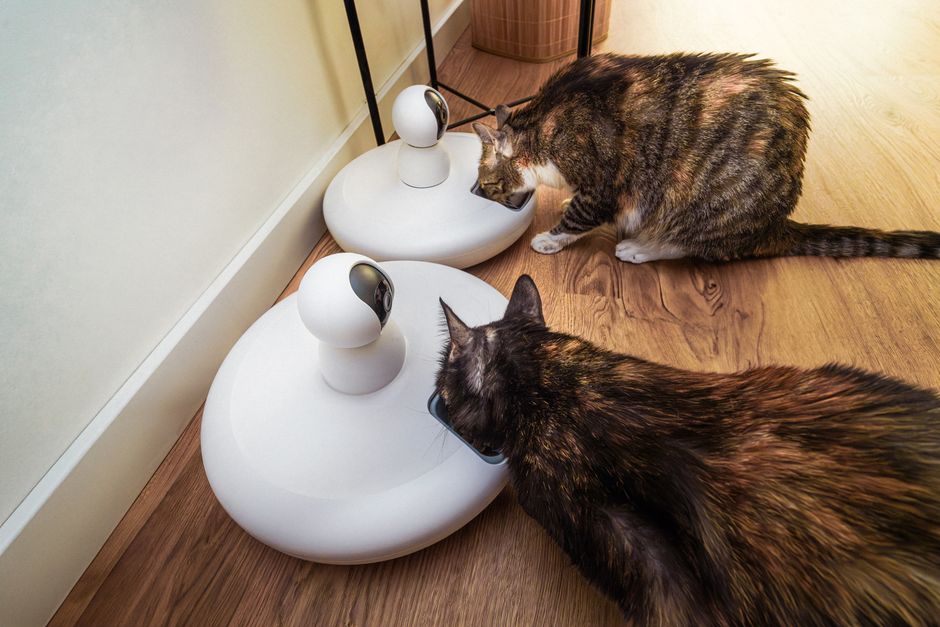
Of all the available innovations, automated feeders are perhaps the most practical and impactful tools for daily pet maintenance. Modern feeders do more than just dispense kibble at a set time; they provide a comprehensive solution to portion control and dietary management. High-end models now feature AI-driven recognition, which is a game-changer for multi-pet households. By identifying each animal individually, these devices ensure that every pet receives the correct diet, preventing food theft and ensuring that pets who tend to eat too quickly are regulated appropriately. Furthermore, some systems include integrated cameras and two-way audio, allowing owners to monitor their pet’s appetite and provide comfort during mealtimes.
Creating a Pet-Friendly Smart Home Ecosystem

True smart home integration means creating an environment that reacts to your pet’s needs in real-time. This goes beyond individual gadgets and involves a synchronized network that enhances comfort and security.
Security and Remote Monitoring
Home security has become significantly more pet-friendly in recent years. Many modern systems now incorporate motion sensors that are designed to ignore pets while still alerting owners to potential intruders. Beyond security, remote video monitoring allows owners to check in on their pets from anywhere in the world. Using machine learning, these cameras can distinguish between animals, people, and packages, providing targeted notifications. This allows for peace of mind, knowing that your pet is safe and behaving appropriately while you are away.
Environmental Control and Virtual Boundaries
Smart home systems can now be programmed to optimize the living space for animals. For example, automated thermostats can adjust the temperature during the day to ensure pets stay comfortable, while smart lighting can be used to simulate a natural day-night cycle for indoor animals. For pet owners with outdoor access, virtual fencing technology has replaced traditional physical barriers. Using GPS, AI, and Wi-Fi, these systems create customizable safe zones, allowing dogs to roam freely within a designated area without the eyesore or maintenance of a physical fence.
Selecting the Right Technology
When curating a smart home for your pet, it is important to categorize devices by their utility. Not every gadget is a necessity, and the goal should always be to simplify your life rather than complicate it. The following table provides a breakdown of how to prioritize your tech investments.
| Tier | Function | Key Benefits |
|---|---|---|
| Tier 1 (Essential) | Smart Feeders & Health Trackers | Portion control, early illness detection, routine management. |
| Tier 2 (Useful) | Camera Integration & Security | Remote monitoring, two-way audio, identifying behavioral patterns. |
| Tier 3 (Gimmicky) | Social Sharing & Excessive Alerts | Often provide more noise than actual value for animal welfare. |
Frequently Asked Questions
What animal is best for anxiety and depression?
While individual experiences vary, dogs are frequently cited as excellent companions for those dealing with anxiety and depression due to their active nature, which encourages exercise and social interaction. However, cats are also highly effective, as their rhythmic purring and lower-energy presence can have a profound, calming effect on the human nervous system. Ultimately, the best animal is one that matches your lifestyle and provides the specific type of companionship you find most comforting.
What are some high-tech smart devices for pets?
The market is currently saturated with high-tech solutions. Essential devices include GPS-enabled smart collars for real-time tracking, AI-powered automatic feeders for precise nutrition, and smart pet doors that use facial recognition to let specific animals in or out. Additionally, smart water fountains that monitor hydration levels and automated litter boxes that track usage frequency are becoming staples in modern homes.
What pets are good for ADHD?
Pets that require a structured routine, such as dogs, are often beneficial for individuals with ADHD. The responsibility of feeding, walking, and grooming a dog provides external structure and accountability, which can help manage focus and time-blindness. Alternatively, small mammals like guinea pigs or rabbits can be excellent for those who find the high energy of a dog overwhelming but still benefit from the quiet, sensory engagement of caring for an animal.
What are the trending pet products for 2026?
Looking ahead, the trend is moving toward hyper-personalized care. We are seeing a rise in “biometric-first” devices that focus on long-term health trends rather than just snapshots of activity. Expect more integration with veterinary telehealth platforms, where the data collected by your smart feeder or collar is automatically shared with your clinic. Furthermore, AI-driven behavioral analysis tools—which can decode specific sounds or movements to predict stress—are set to become the next major frontier in pet technology.
Conclusion
Integrating technology into your pet’s life is about more than just owning the latest gadget; it is about fostering a deeper, more informed connection with your animal companion. By using automated feeders to regulate nutrition, smart collars to monitor health vitals, and connected home systems to ensure a comfortable environment, owners can act as more effective stewards of their pets’ well-being. As these technologies continue to evolve toward 2026 and beyond, the focus will remain on simplicity and data-driven care, ensuring that our pets live longer, healthier, and happier lives alongside us. The future of pet care is not just digital—it is deeply, intentionally personal.