
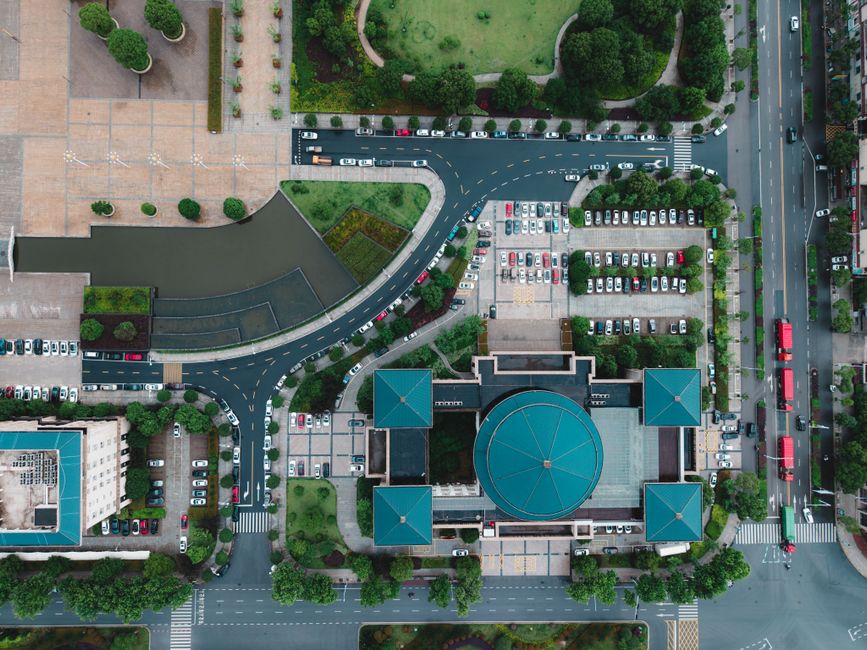
In the heart of our densest metropolitan centers, vacant lots often stand as skeletal remnants of economic shifts, representing both a challenge for city planners and a missed opportunity for residents. However, a growing movement is redefining these neglected parcels of land. By transforming abandoned urban lots into community sensory gardens, designers and local activists are reclaiming the concept of the third space. These vibrant, green oases serve as essential social infrastructure, providing respite, fostering mental well-being, and strengthening the social fabric of neighborhoods that have historically been overlooked.
The Evolution of Urban Third Places
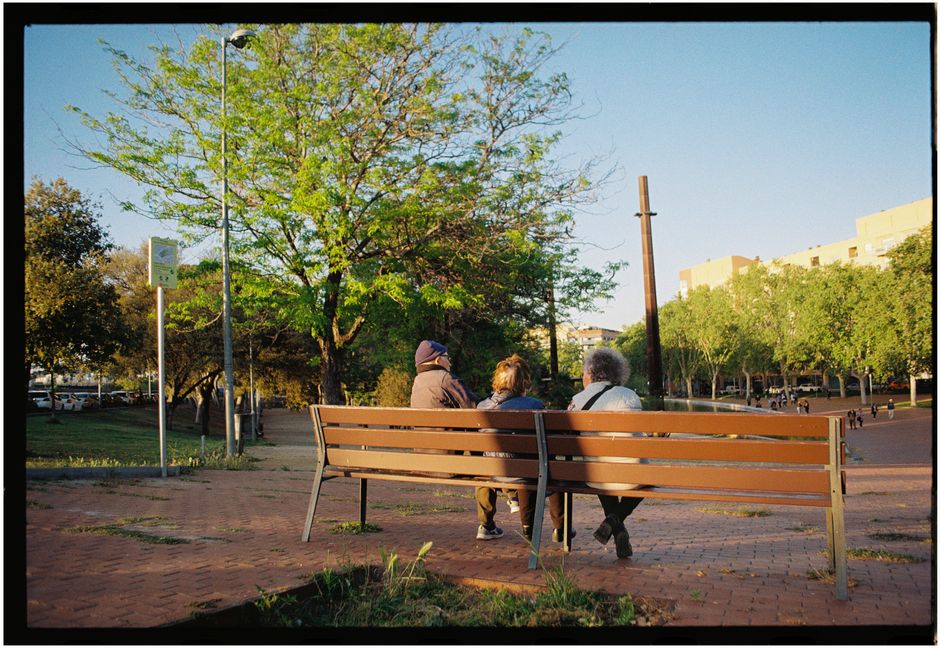
The concept of the third space, originally popularized by sociologist Ray Oldenburg, refers to the social surroundings separate from the two primary environments of home and the workplace. These places are the anchors of community life, facilitating creative interaction and providing a neutral ground where people can gather. Historically, these took the form of coffee shops, libraries, or community centers. Today, urban planners and landscape architects are expanding this definition to include green infrastructure.
Community gardens are emerging as the quintessential third places for the 21st century. Unlike traditional city parks, which are frequently the result of top-down municipal planning, these gardens are often bottom-up, collaborative creations. They are deeply rooted in the specific needs of the local population, serving as functional, accessible, and inclusive environments that invite residents of all ages and abilities to engage with nature and one another.
Designing for the Senses
What sets the modern sensory garden apart is its intentional design. By focusing on multi-sensory experiences—incorporating fragrant herbs, textured foliage, audible water features, and vibrant color palettes—these gardens provide a therapeutic escape from the sensory overload of city life. For children in minority or low-income communities, these spaces offer a rare, safe sanctuary where they can explore, play, and briefly disconnect from the stressors of their environment. This sensory engagement is not merely aesthetic; it is a vital tool for play therapy and vocational training, turning a derelict plot into a classroom or a healing retreat.
The Economic and Ecological Imperative
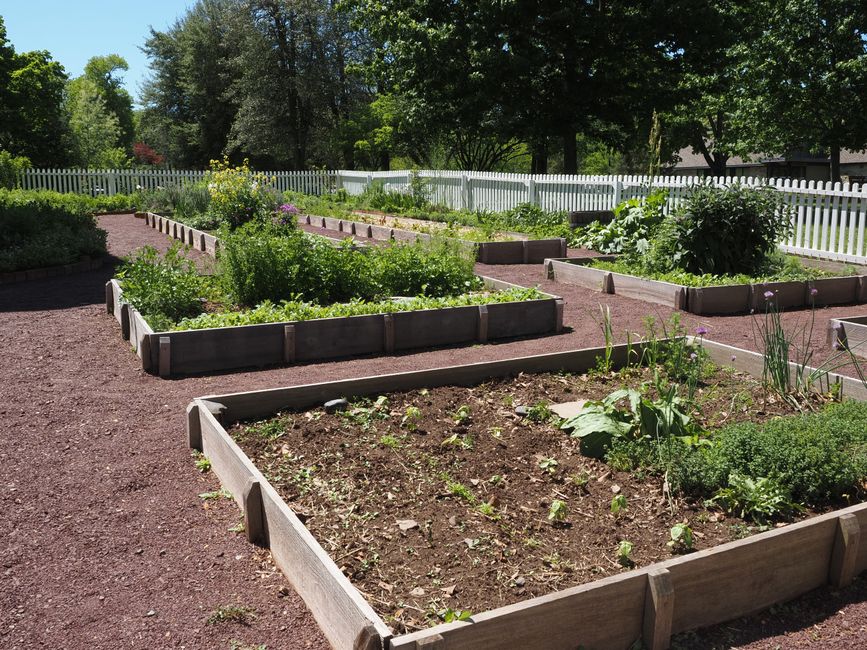
Beyond the obvious aesthetic improvements, the greening of abandoned lots provides a staggering return on investment. Economic research indicates that for every one dollar spent on the remediation and greening of a vacant lot, the community reaps between five and twenty-six dollars in social and economic benefits. These benefits manifest through increased property values, reduced municipal maintenance costs, and a measurable decrease in local criminal activity. When a space is cared for, it signals that the neighborhood is valued, discouraging illicit behavior and fostering a sense of collective ownership.
Mitigating the Urban Heat Island Effect
From an ecological perspective, these gardens act as essential lungs for the city. Dense urban environments suffer from the urban heat island effect, where concrete and asphalt trap heat, leading to significantly higher temperatures than in surrounding rural areas. By replacing impervious surfaces with vegetation, trees, and permeable soil, community gardens help cool the air and assist in critical stormwater management. This natural infrastructure mitigates the impact of flooding and provides a buffer against the intensifying effects of climate change, making the neighborhood more resilient.
Improving Public Health Through Green Infrastructure
The correlation between access to green space and mental health is well-documented. Psychological studies conducted in cities like Philadelphia have demonstrated that residents living near greened vacant lots report significantly lower levels of depression, hopelessness, and psychological distress. The transformation of a “zombie property”—an abandoned site that serves as a physical manifestation of decline—into a garden shifts the psychological landscape of a community. It replaces a symbol of neglect with a symbol of growth and hope.
Social cohesion is the hidden engine of these gardens. By providing a neutral, welcoming venue for intergenerational interaction, these spaces allow seniors, families, and young people to cross paths in a non-transactional way. This social interaction is essential for building trust and ensuring that the neighborhood remains a source of support rather than isolation. When neighbors come together to maintain a garden, they are not just growing food or flowers; they are growing a stronger, more connected community.
Frequently Asked Questions
What is the Third Space Theory?
Third space theory suggests that for a healthy society to flourish, individuals need a social environment outside of their first space (the home) and their second space (the workplace). These spaces are characterized by their accessibility, the presence of regulars, a playful mood, and a focus on conversation. They act as “levelers” where social status is less important than the shared experience of being present in the community.
Why are third spaces declining?
The decline of traditional third spaces is largely attributed to urbanization, the privatization of public areas, and the digital shift that has moved social interaction online. Furthermore, economic pressures have led to the commercialization of gathering spots, where purchasing a product is often a prerequisite for entry. This creates barriers for many, necessitating the creation of free, accessible community-led spaces like gardens.
What is the third space concept?
At its core, the third space concept is about creating inclusive environments that foster social cohesion. It emphasizes the importance of a “third” location as a foundation for civil society, where people can congregate, exchange ideas, and build relationships without the pressures of domestic responsibilities or professional obligations.
What is Gen Z’s third place?
For Gen Z, the concept of a third place is increasingly fluid. While digital spaces like Discord or social gaming platforms often serve as virtual third places, there is a clear, growing desire among the younger generation for tangible, physical third places. This includes reclaimed urban spaces, community-run gardens, and maker spaces that prioritize sustainability, inclusivity, and mental health over commercial consumption.
Conclusion
The movement to transform abandoned urban lots into community sensory gardens represents a profound shift in how we approach city living. It moves away from the idea that city development must be a top-down, purely commercial endeavor and toward a model that prioritizes human connection, ecological health, and psychological well-being. By investing in these gardens, cities can turn liabilities into assets, providing residents with the essential third places they need to thrive. As we look toward the future of urban design, it is clear that the most successful cities will be those that learn to cultivate their vacant spaces, one community garden at a time.