
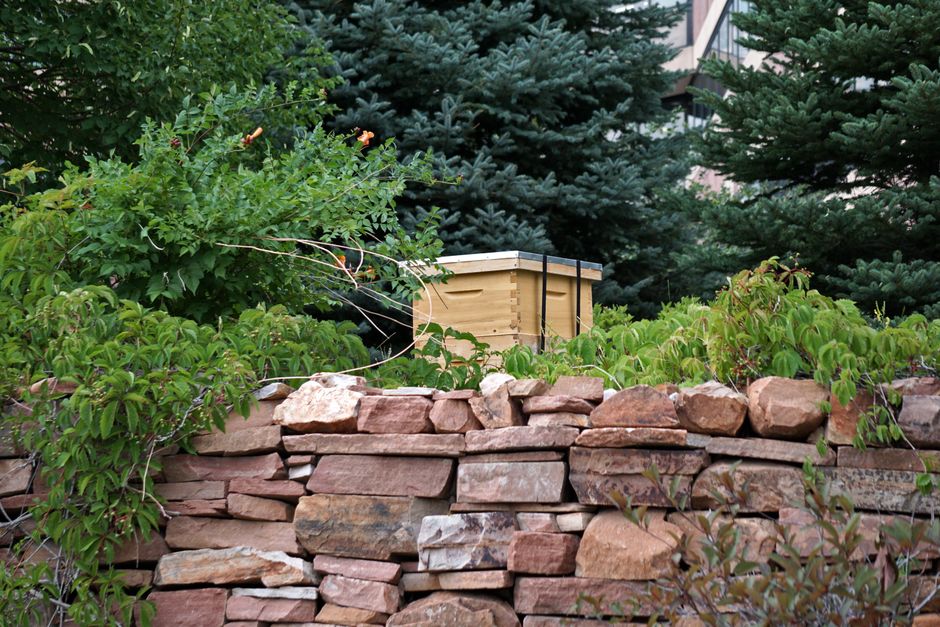
Urban beekeeping has transformed from a niche hobby into a sophisticated pursuit for those looking to reconnect with nature while contributing to local biodiversity. Transforming a small garden into a thriving apiary is a rewarding challenge that requires patience, observation, and a respect for the complex social structures of the honey bee. Whether you are driven by the desire for hyper-local honey or the ecological necessity of supporting pollinators in a concrete-heavy environment, successful beekeeping requires a blend of scientific understanding and practical management. This guide provides the essential framework for establishing and maintaining a healthy hive within a limited residential footprint.
Establishing Your Urban Apiary
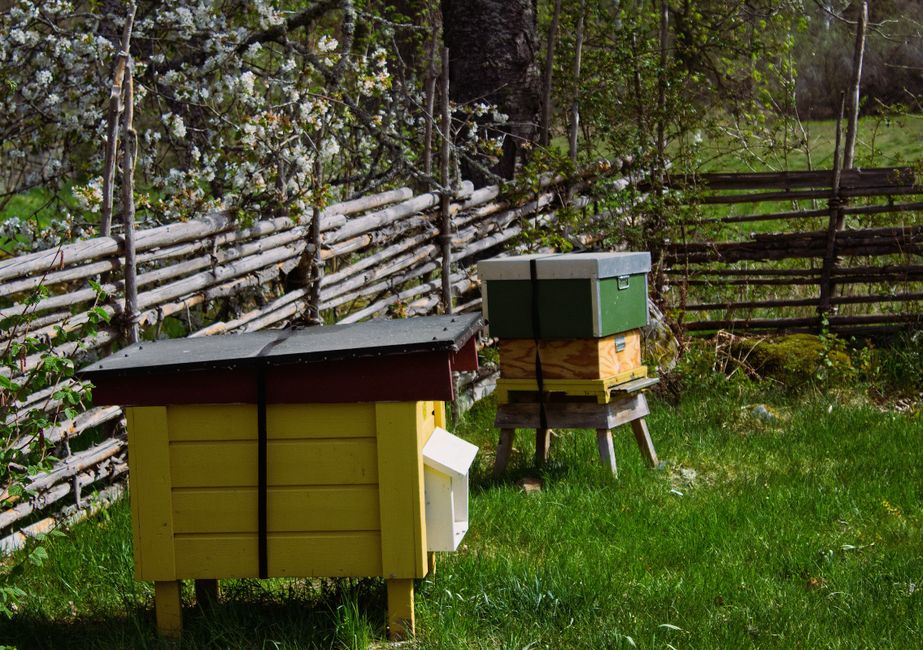
Before you purchase your first piece of equipment, it is vital to understand the regulatory and biological landscape of your area. Beekeeping is highly localized; what works in a rural meadow may be disastrous in a dense urban neighborhood. The first step is to check local ordinances regarding hive placement, density, and water access. Many municipalities have specific bylaws about how close a hive can be to a property line or a neighbor’s swimming pool.
How to Start Beekeeping in Your Backyard
The most successful urban setups prioritize the flight path of the bees. Bees are industrious, but they are also creatures of habit. When they exit the hive, they fly in a straight line toward forage. If your hive entrance faces a high-traffic area, such as a sidewalk or a neighbor’s patio, you will inevitably encounter friction. Use physical barriers like tall shrubs, lattice fences, or solid walls to force the bees to fly upward immediately upon exiting the hive, effectively sending them over the heads of humans.
How to Start a Beehive Without Buying Bees
While most beginners purchase a package or a nucleus colony from a supplier, there is a more natural method: swarm catching. If you are patient, you can attract a wild swarm by placing a bait hive in your garden. This requires a clean, empty hive box treated with lemongrass oil or old brood comb to mimic the scent of an established colony. This method is not only cost-effective but also provides you with bees that are already adapted to your local environment. However, this is best attempted once you have gained some experience, as managing a wild swarm requires a keen eye for bee behavior.
Hive Management and Maintenance
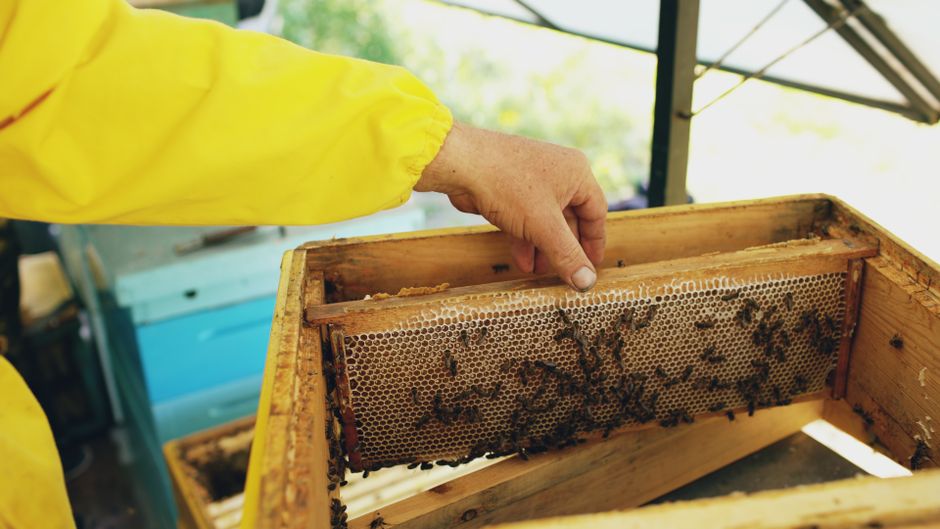
Maintenance in a small garden is fundamentally different from large-scale apiaries. Because your space is limited, hive density must be strictly managed to prevent swarming. A colony that feels overcrowded will naturally decide to split, sending half the bees and the queen to find a new home. In a city, this often means your bees might end up in a neighbor’s chimney or a local wall cavity, which can lead to negative public perception of your hobby.
The Importance of Forage
Urban bees require consistent access to floral sources within a 2-3 mile radius. While your garden might be beautiful, it is rarely enough to sustain a colony through the entire season. Research what local plants are blooming throughout the year in your city. If there is a “nectar dearth”—a period where little is blooming—you must be prepared to supplement feed your bees with sugar syrup to prevent starvation.
Educational Resources for Beginners
The learning curve for beekeeping is steep. Relying on a single source is rarely sufficient. You should look for beekeeping classes near me to get hands-on experience under the guidance of a mentor. Additionally, a high-quality bee keeping for beginners PDF can serve as a quick reference guide in the field. For visual learners, there are many reputable Youtube beekeeping for beginners channels that demonstrate hive inspections in real-time, helping you distinguish between healthy brood patterns and potential disease.
Financial and Practical Considerations
One common misconception is that beekeeping is a prohibitively expensive venture. While the initial investment in gear—suits, smokers, and hive bodies—can be significant, there are often financial supports available. Many regional beekeeping associations offer information on grants for raising honey bees, which may be available through local agricultural departments or conservation groups looking to boost urban pollinator populations.
| Requirement | Management Strategy |
|---|---|
| Water Access | Provide a shallow birdbath with stones so bees can land without drowning. |
| Hive Inspection | Perform every 7 to 10 days during the peak season to monitor for swarm cells. |
| Record Keeping | Maintain a logbook of colony health, queen laying patterns, and honey yields. |
| Disease Control | Monitor for Varroa mites regularly and use integrated pest management (IPM) techniques. |
Frequently Asked Questions
What is the 3 3 3 rule for beekeeping?
The 3 3 3 rule is a memory aid for beginners to understand bee behavior. It suggests that a bee can survive 3 minutes without air, 3 days without water, and 3 weeks without food. While these are approximations, they emphasize the critical nature of providing adequate water sources and supplemental feeding when natural forage is scarce.
What is the easiest beehive for beginners?
The Langstroth hive is widely considered the industry standard and often the easiest for beginners due to the vast amount of instructional material and interchangeable parts available. However, some urban keepers prefer the Top Bar hive for its smaller footprint and ease of inspection without heavy lifting. Your choice should depend on your physical ability and how much honey production you aim for.
Why can’t you wear black around bees?
Bees have evolved to perceive dark, fuzzy shapes as threats, specifically predators like bears or skunks. Wearing black or dark, furry clothing can trigger a defensive response in the colony. It is always recommended to wear light-colored, smooth-textured clothing, such as a white or tan bee suit, to remain as non-threatening as possible during inspections.
Do you have to pay property taxes if you keep bees?
In most residential settings, keeping a few hives for personal use does not change your property tax status. However, some jurisdictions offer “agricultural exemptions” if you reach a certain scale of production or land usage. You should consult your local tax assessor to see if your apiary qualifies for any specific agricultural benefits or if it remains classified under standard residential usage.
Conclusion
Starting your journey in beekeeping is an investment in both your own personal development and the health of your local ecosystem. By maintaining a hive with diligence and respect for the neighbors around you, you can successfully integrate this ancient practice into a modern backyard setting. Remember that the bees are the masters of the house; your role is simply to provide the environment they need to thrive. As you progress, keep learning, stay connected with local beekeeping groups, and always prioritize the health of your colony over the size of your honey harvest. With the right preparation and a commitment to responsible beginners management, your garden will become a vibrant, buzzing oasis that benefits the entire community.