
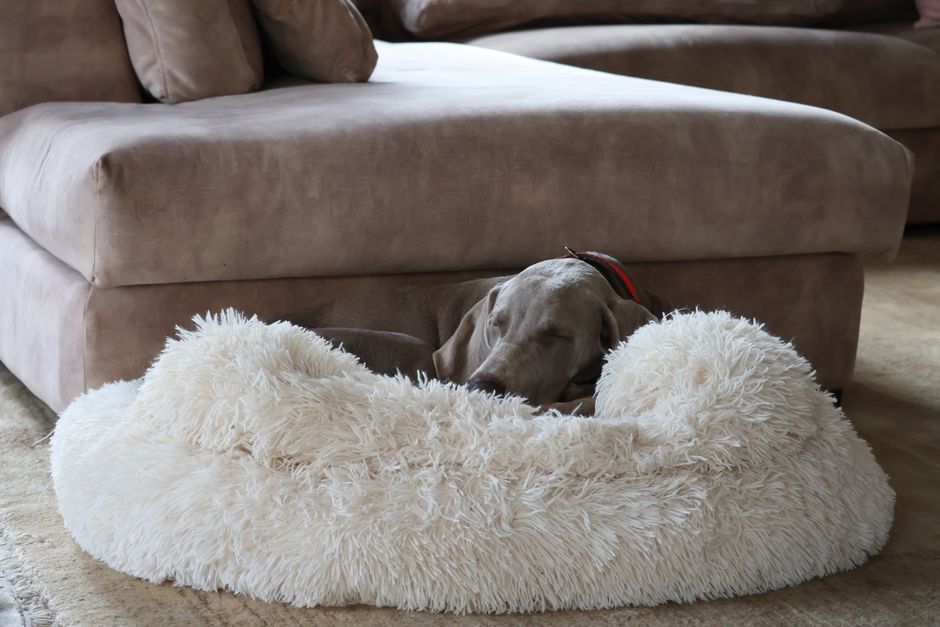
The modern home is undergoing a radical transformation as technology and interior architecture converge to prioritize the needs of our animal companions. Moving beyond simple pet beds and stray toys, the concept of pet-centric design emphasizes the seamless integration of animal wellness into the structural fabric of our living spaces. By blending smart technology with thoughtful spatial planning, homeowners can create environments that support physical health, mental stimulation, and emotional security for their pets, all while maintaining a sophisticated aesthetic.
The Foundations of a Pet-Centric Home

Designing a space that truly caters to pets requires a shift in perspective, viewing the house not just as a human dwelling, but as a shared habitat. A pet-centric home balances the functional requirements of animal care with the design requirements of human living. This involves selecting durable materials, optimizing floor plans for movement, and incorporating hidden utilities that reduce clutter.
Material Selection and Spatial Flow
True pet-centric design begins with the surfaces we choose. For high-traffic areas, pet owners should prioritize scratch-resistant flooring, such as luxury vinyl plank or engineered hardwood, which offers both durability and ease of cleaning. Walls should be finished with washable, semi-gloss paints that stand up to the occasional muddy paw print. Beyond finishes, the spatial flow is crucial. Creating dedicated zones for feeding, resting, and grooming prevents household congestion and reduces stress for pets, particularly in multi-animal households where territorial security is paramount.
Smart Home Integration for Enhanced Wellness
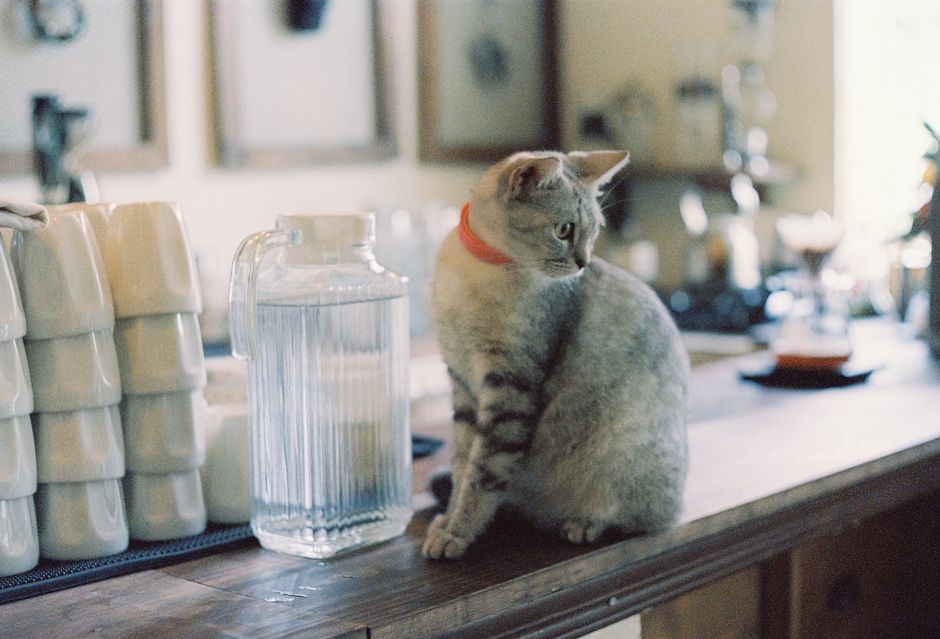
The rise of the Internet of Things (IoT) has provided unprecedented tools for pet owners to monitor and interact with their animals. Smart home integration is no longer just about convenience; it is a vital component of animal wellness, particularly when owners are away. By automating routine tasks and monitoring environmental factors, technology acts as a silent caregiver.
Remote Monitoring and Interactive Engagement
Modern pet-centric living relies heavily on two-way audio and video connectivity. High-definition cameras equipped with night vision and two-way microphones allow owners to observe behavior and offer verbal reassurance. Research indicates that these interactive devices can significantly reduce separation anxiety in dogs and cats by providing a familiar voice and presence. Some advanced systems even include treat dispensers, allowing for positive reinforcement and engagement from anywhere in the world.
Automated Environmental Control
Maintaining a stable environment is essential for pet health. Smart thermostats can be programmed to regulate the temperature in specific zones of the home, ensuring that your pet remains comfortable regardless of the weather outside. Furthermore, air purification systems integrated into the smart home network can monitor dander levels and allergens, adjusting filtration speeds automatically to ensure high air quality. This is especially beneficial for pets with respiratory sensitivities or for owners managing household allergies.
Hidden Technology and Integrated Furniture
One of the most innovative trends in modern design is the move toward “hidden” technology. Instead of bulky crates or plastic feeders dominating a room, pet-centric design seeks to integrate these necessities into custom cabinetry and furniture. This approach keeps the home looking curated while ensuring the pet has a dedicated, secure space to retreat to.
Custom Cabinetry and Integrated Feeding Stations
Custom cabinetry can be designed to house litter boxes, feeding stations, and even climate-controlled sleeping nooks. By integrating a feeding station into a kitchen island or a laundry room cabinet, you keep water and food bowls out of the main walkway, preventing spills and reducing clutter. Similarly, smart pet doors that operate via microchip sensors allow pets to move between indoor and outdoor spaces freely, while keeping unwanted visitors or local wildlife out of the home.
Climate-Controlled Resting Areas
Just as we enjoy heated floors or cozy nooks, pets thrive when they have temperature-controlled sleeping areas. Incorporating built-in, low-voltage heating mats or cooling pads into custom-built pet beds ensures that your companion is comfortable throughout the changing seasons. These integrated solutions are often built into existing architectural features like mudroom benches or under-stair storage, maximizing the utility of every square foot of your living space.
Planning Your Pet-Centric Renovation
When embarking on a project to modernize your home for your pet, it is helpful to categorize your goals. The following table provides a breakdown of common pet-centric improvements and their primary benefits to animal wellness.
| Improvement Category | Specific Design Idea | Primary Wellness Benefit |
|---|---|---|
| Structural | Integrated pet doors and ramps | Increased mobility and physical activity |
| Technology | Two-way audio and video monitors | Reduced separation anxiety |
| Furniture | Cabinet-integrated feeding stations | Better hygiene and reduced clutter |
| Environmental | Smart-linked air purification | Improved respiratory health |
| Comfort | Built-in climate-controlled beds | Regulated body temperature and comfort |
Frequently Asked Questions
How can I make my home more pet-centric without a full renovation?
You do not need to tear down walls to improve your home for your pets. Start with “plug-and-play” smart devices like automated feeders, water fountains with filtration, and standalone cameras. Replace standard rugs with washable, pet-friendly textiles, and rearrange furniture to create quiet, secluded corners where your pet can retreat when they need to decompress.
Are smart home devices safe for all types of pets?
Most smart home technology is designed with safety as a priority, but you must consider the temperament and habits of your specific pet. Always ensure that cords are tucked away or encased in chew-resistant covers. If your pet is prone to anxiety or exhibits destructive behaviors, start with simple monitoring tools before introducing automated systems that involve moving parts.
How does pet-centric design affect the resale value of a home?
When done with a professional, aesthetic touch, pet-centric design is often viewed as a high-end, custom upgrade. Built-in features like a dedicated pet wash station in a mudroom or intelligently hidden litter enclosures are considered valuable amenities for the growing demographic of pet-owning homebuyers. The key is to ensure that these features are durable, clean, and do not detract from the overall architectural style of the home.
Conclusion
Designing a pet-centric home is an investment in the long-term health and happiness of your animal companions. By focusing on smart integration, durable materials, and thoughtful spatial planning, you can create a living environment that supports the needs of all household members. Whether through the installation of high-tech monitoring systems or the creation of custom, integrated furniture, these ideas help foster a deeper bond between humans and pets. As we continue to refine our living spaces, the integration of pet wellness into our smart home ecosystems will remain a cornerstone of modern, compassionate design.