
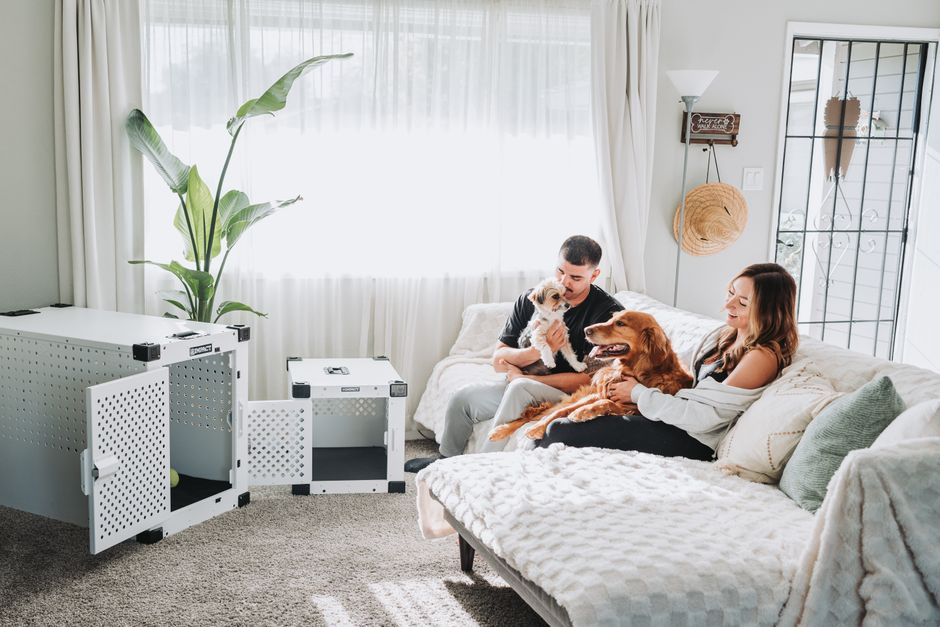
The Evolution of Pet-Centric Architecture
The modern home is undergoing a profound transformation as pets transition from household guests to central family members. Pet-centric architecture—often referred to as “barkitecture”—has moved beyond simple pet-proofing. Instead, it focuses on the seamless integration of animal needs into the home’s structural design, prioritizing utility, health, and shared joy.
From Pet-Proofing to Intentional Integration
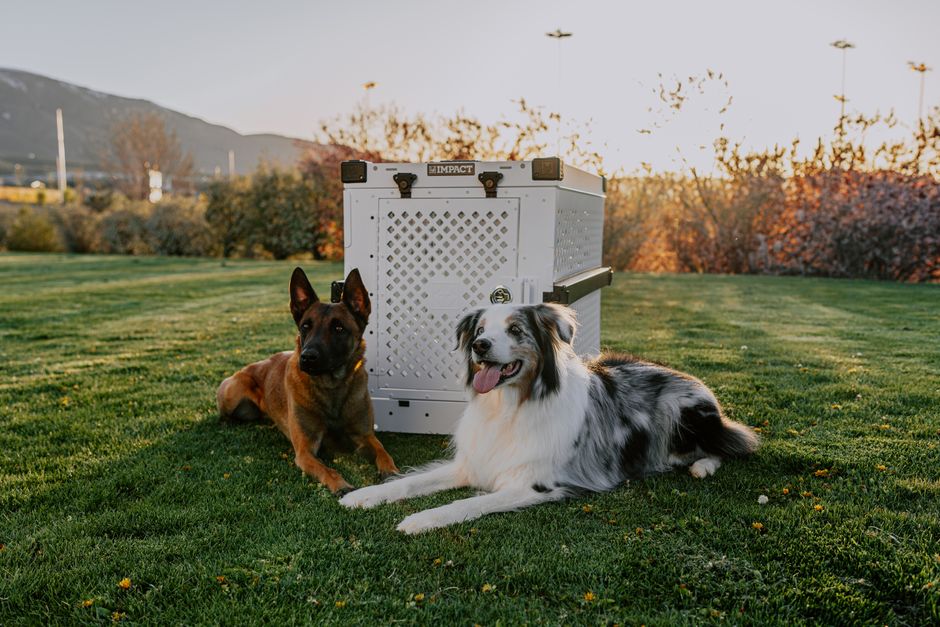
Historically, living with animals centered on mitigation: using barriers to prevent damage. Today, the focus has shifted toward cohesive living environments. By considering the movement patterns, sensory requirements, and social habits of pets during the planning phase, homeowners can create spaces that are both organized and animal-friendly.
Whether you are using professional design software or conceptual sketches, the goal is to move away from bulky, retrofitted accessories. Modern design emphasizes proactive planning, where built-in features serve dual purposes, such as kitchen islands with recessed sleeping nooks or staircases that double as hidden storage for supplies.
The Three Pillars of Barkitecture
Successful pet-centric design relies on three core pillars that balance human aesthetics with animal welfare:
- Durability: Selecting materials that withstand wear, such as scratch-resistant flooring and stain-repellent performance fabrics.
- Accessibility: Designing entry points and furniture heights that accommodate the specific physical abilities of your pet.
- Environmental Enrichment: Creating spaces that stimulate natural behaviors, such as vertical climbing paths for cats or dedicated zones for sensory exploration.
Strategic Design Solutions
Material Selection
A beautiful home should not be sacrificed for pet ownership. Luxury Vinyl Plank (LVP) remains the gold standard for durability, offering a high-end look while resisting moisture and scratches. Similarly, modern performance textiles allow for stylish, comfortable upholstery that remains easy to clean.
Custom Built-Ins
Architects are increasingly reimagining functional zones to include pets:
- Pet-Entry Zones: Mudrooms equipped with low-profile washing stations and handheld sprayers.
- Integrated Feeding Stations: Custom cabinetry that keeps water and food bowls off the floor and out of high-traffic walkways.
- Cat Highways: Shelving and bridge systems that allow cats to traverse rooms vertically, turning functional storage into an architectural feature.
Planning and Visualization
Using 3D visualization tools allows homeowners to map out “pet zones” before construction begins. This process is essential for identifying potential safety hazards or bottlenecks. By simulating your pet’s movement through a virtual model, you can ensure that custom features—such as an under-cabinet den—are perfectly positioned to support your home’s overall flow.
Summary of Pet-Centric Features
| Design Feature | Primary Benefit | Ideal Location |
|---|---|---|
| Integrated Feeding Niche | Reduces clutter and tripping hazards | Kitchen or Laundry Room |
| Pet-Washing Station | Prevents dirt tracking and improves hygiene | Mudroom or Entryway |
| Cat Highways/Shelving | Provides vertical enrichment | Living Room or Home Office |
| Hidden Litter Enclosures | Maintains privacy and odor control | Bathroom or Utility Closet |
Frequently Asked Questions
Does pet-centric design add value to a home?
Yes. High-quality, built-in features like mudroom wash-stations are highly desirable to prospective buyers, even those without pets, because they serve as versatile utility spaces.
Can I incorporate these ideas in a small apartment?
Absolutely. Focus on multi-functional furniture, such as ottomans that double as pet dens or wall-mounted shelving that serves both storage and feline climbing needs. Verticality is your best asset in smaller footprints.
What materials are safest for pets?
Prioritize low-VOC paints and natural, sustainable materials like solid wood, stone, and natural fibers. These options are significantly safer than synthetic alternatives that may release harmful chemicals over time.
How do I begin my renovation?
Start by observing your pet’s daily habits. Note where they sleep, where they seek sunlight, and where they feel most secure. Incorporate these observations into your 3D design plans, ensuring that pet-integration is treated as a primary requirement rather than an afterthought.
Conclusion
The rise of pet-centric architecture reflects a shift in how we value our animal companions. By prioritizing intentional design and durable, healthy materials, we create homes that support the well-being of every family member. Whether you are building a new custom home or renovating an existing space, the principles of barkitecture provide a roadmap for creating a beautiful, functional, and harmonious living environment.