

Transforming your backyard into a pet-friendly oasis is more than just a landscaping project; it is an opportunity to provide your furry companions with fresh, nutrient-dense enrichment. While many pet owners focus on store-bought treats, the world of urban foraging offers a sustainable and rewarding way to supplement your pet’s diet with safe, homegrown vegetation. By carefully selecting edible plants in your yard, you can offer your cats and dogs a natural way to satisfy their curiosity and nutritional needs, all while ensuring their safety from the common toxins found in many conventional ornamental gardens.
The Foundations of a Pet-Safe Foraging Garden
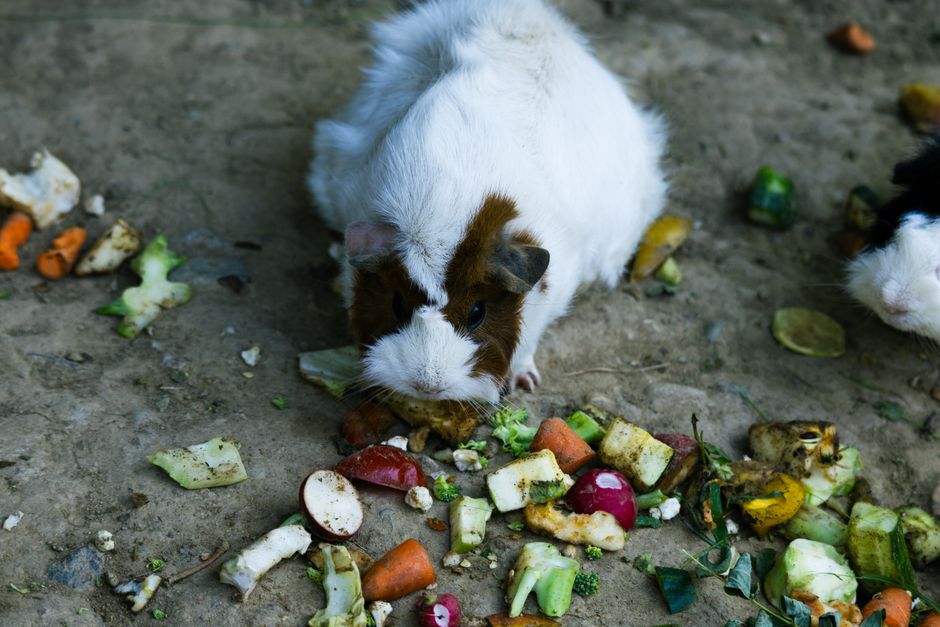
Before you begin planting, it is essential to understand the unique risks associated with urban environments. The most critical step in creating a safe space for your pets is soil management. Urban soil can harbor heavy metals, lead, or residual chemical runoff from neighboring properties. To mitigate these risks, prioritize container gardening or raised beds using certified organic soil. This practice ensures that the plants your pet interacts with are free from ground-level contaminants.
Furthermore, avoid all synthetic pesticides, herbicides, and fertilizers. These chemicals are the primary cause of poisoning in domestic animals that spend time in gardens. If you are interested in expanding your knowledge, enrolling in a reputable edible plants course can provide the expertise needed to distinguish between beneficial flora and invasive species that might be hazardous to your pets. Always practice edible plant identification to ensure that every leaf or root accessible to your animal is verified as non-toxic.
Top Picks for Pet-Friendly Urban Foraging
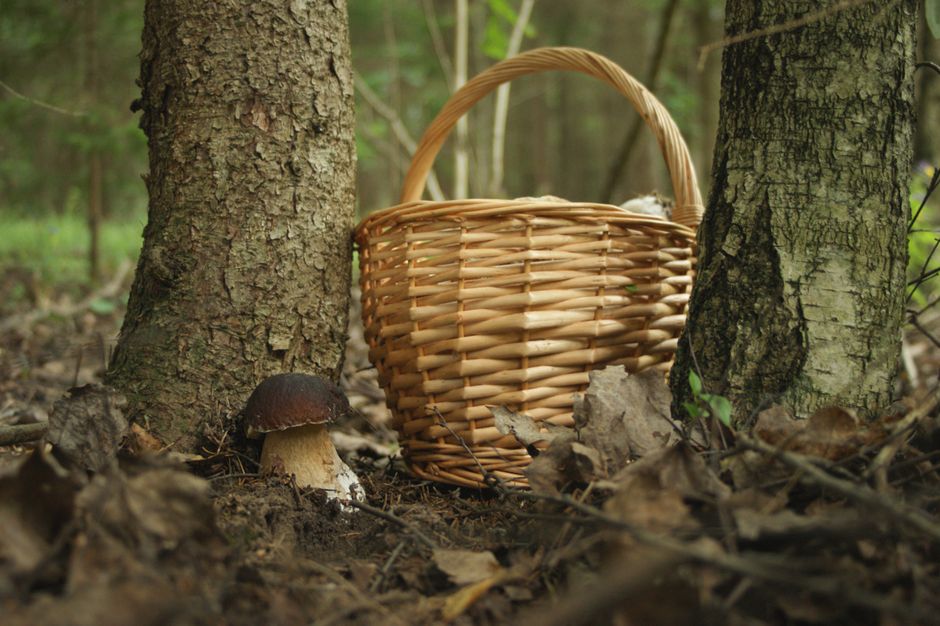
When selecting edible plants in your yard, you must navigate the fine line between nutritional benefit and toxicity. Many common decorative plants, such as lilies, sago palms, and azaleas, are highly toxic to pets and should be completely removed from any area where your animals roam.
Herbs and Greens for Dogs and Cats
Several common culinary herbs are not only safe for pets but provide excellent digestive support. Parsley, cilantro, and basil are widely considered safe for dogs and cats when consumed in moderation. These herbs are easily grown in small pots on a patio or balcony, making them perfect for urban dwellers. Wheatgrass is another exceptional choice; it is rich in chlorophyll and fiber, making it a popular digestive aid for cats. Similarly, catnip is a safe, stimulating plant that provides enrichment and mental health benefits for felines.
Understanding Wild Edible Foods
While we often think of wild edible foods as items found in deep forests, many edible wild plants of North America can spontaneously appear in backyard environments. It is important to distinguish between “weeds” and beneficial wild plants. For example, dandelion greens, when harvested from a pesticide-free zone, are rich in vitamins A, C, and K. However, never allow your pet to graze on wild plants unless you are 100 percent certain of their identity. If you are unsure, do not let your pet eat it.
Best Practices for Safe Foraging
Safety is the cornerstone of urban foraging. Even if a plant is theoretically edible, improper maintenance can make it dangerous. Below is a breakdown of [how to](https://t10family.com/en/how-to-take-care-of-a-pet-at-home/) manage your garden to keep your pets safe.
| Practice | Benefit to Pets |
|---|---|
| Raised Bed Gardening | Protects plants from soil-borne heavy metals and urban pollutants. |
| Organic Pest Control | Eliminates the risk of ingesting toxic chemical residues. |
| Strict Identification | Prevents accidental ingestion of toxic look-alikes. |
| Container Rotation | Allows plants to recover and prevents over-grazing by pets. |
In addition to these practices, consider the physical structure of your garden. If you are growing edible wild tubers or root vegetables, ensure that the soil is loose and that your pet cannot accidentally ingest large amounts of raw starch, which can cause gastrointestinal distress. Always introduce any new plant material slowly into your pet’s diet to monitor for sensitivities or allergic reactions.
Frequently Asked Questions
What are some edible plants I can grow in my backyard?
You can grow a variety of safe, nutritious plants including parsley, basil, cilantro, wheatgrass, and catnip. Dandelion greens are also safe if they are grown in a space that has never been treated with chemicals. Always check the ASPCA toxic plant list before introducing any new species to your yard.
What can I plant in my backyard that is safe for dogs?
Dogs often enjoy nibbling on grasses and herbs. Wheatgrass is a safe, fiber-rich option. Many culinary herbs like parsley and rosemary are also safe in small amounts. Always avoid plants like sago palms, lilies, and tulips, which are highly toxic even in small quantities.
What are the easiest edible plants to grow at home?
Herbs are generally the easiest plants for urban gardeners. Basil, parsley, and cilantro grow quickly in containers and require little maintenance beyond regular watering and sunlight. Wheatgrass is also remarkably fast-growing and can be harvested in just over a week, making it a perfect quick-rotation crop for pet owners.
Is foraging illegal in the USA?
Foraging on your own private property is perfectly legal. However, foraging on public land, such as national parks or city-owned spaces, is often regulated or prohibited to protect local ecosystems. Always check local municipal ordinances before harvesting any wild plants from areas outside of your own backyard.
Conclusion
Creating a foraging-friendly backyard is a rewarding way to enhance your pet’s life while fostering a deeper connection to the natural world. By prioritizing organic gardening methods, utilizing raised beds to avoid soil contaminants, and meticulously identifying every plant that enters your landscape, you can provide a safe and nutritious environment for your companions. Whether you are cultivating a small herb collection or encouraging the growth of safe wild flora, the goal remains the same: to offer your pet a natural, enriching experience that supports their health and well-being. Always remember that when it comes to foraging, patience and education are your best tools. By taking the time to plan your garden carefully, you ensure that your backyard remains a sanctuary for both you and your beloved pets for years to come.