
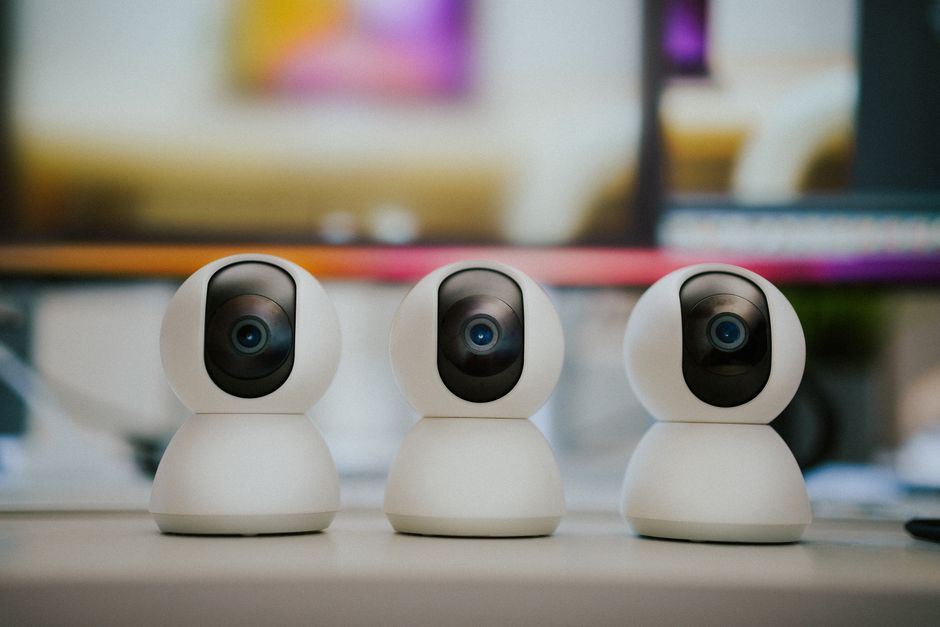
The landscape of domestic living is undergoing a profound transformation as the bond between humans and their animal companions reaches unprecedented levels of intimacy. As pet owners increasingly view their animals as integral family members, the demand for sophisticated, functional, and aesthetically pleasing living solutions has surged. This evolution has birthed a new category: tech-integrated pet furniture. By merging ergonomic design with smart technology, manufacturers are moving beyond basic bedding and scratching posts to create environments that actively monitor, soothe, and support the health of pets. This shift is not merely a trend but a fundamental change in the pet industry, reflecting a broader commitment to enhancing animal comfort through innovation.
The Evolution of the Pet Furniture Market

According to data from the American Pet Products Association, spending on pet supplies and accessories has seen consistent year-over-year growth. As the pet industry expands, the furniture market has become a focal point for investment and design. Historically, pet furniture was viewed as a secondary purchase—often relegated to corners of the home with little regard for interior design or high-tech functionality. Today, pet industry insights reveal a shift toward “humanizing” pet products, where pet furniture is expected to mirror the style and quality of human-grade home furnishings.
Market Size and Growth Projections
The current pet industry analysis indicates that the market for specialized pet housing and furniture is expanding as urbanization increases and living spaces become more compact. Owners are seeking multifunctional pieces that serve both the pet and the household. The integration of technology—such as climate control, automated cleaning, and health-monitoring sensors—has significantly increased the value proposition of these products. As consumers look for detailed research, such as the rise of tech integrated pet furniture enhancing animal comfort pdf documents or the rise of tech integrated pet furniture enhancing animal comfort qui (quick) reference guides, the market is poised to reach new valuation milestones in the coming decade.
Key Innovations in Smart Pet Furniture

The convergence of IoT (Internet of Things) and pet care has introduced features that were previously unimaginable. Tech-integrated furniture is now designed to address specific physiological and psychological needs of domestic animals.
Climate-Controlled Resting Spaces
Modern pet beds are now equipped with thermoelectric cooling and heating elements. These beds utilize sensors to detect a pet’s body temperature, automatically adjusting the surface temperature to keep the animal comfortable regardless of the season. This is particularly beneficial for senior pets suffering from arthritis or breeds that are sensitive to extreme temperatures.
Health Monitoring and Activity Tracking
Some of the most advanced pet furniture pieces now include embedded weight scales and heart rate monitors. By tracking a pet’s weight fluctuations or restlessness during sleep, these pieces provide owners with actionable data that can be shared with veterinarians. This proactive approach to health management is a hallmark of the new era of pet care, moving from reactive treatments to preventative monitoring.
Automated Hygiene and Maintenance
Self-cleaning litter boxes and automated odor-neutralizing cat trees are transforming home maintenance. By utilizing motion sensors and automated waste disposal systems, these pieces ensure a hygienic environment for both the pet and the owner, effectively removing one of the primary friction points of pet ownership.
Design Trends in the Furniture Industry
The current trends in the furniture industry are heavily influenced by the “minimalist” and “biophilic” design movements. Pet furniture is no longer an eyesore; it is being crafted from sustainable materials, such as bamboo, recycled plastics, and high-performance fabrics that resist scratches and stains. The goal is to create products that blend seamlessly into a modern living room, office, or bedroom. This integration of style and tech ensures that a pet’s comfort does not come at the expense of a home’s aesthetic appeal.
| Feature Category | Traditional Furniture | Tech-Integrated Furniture |
|---|---|---|
| Functionality | Passive (Resting only) | Active (Health, Climate, Cleaning) |
| Aesthetics | Basic/Functional | Designer/Interior-Matched |
| Data Capability | None | App-Connected Monitoring |
| Maintenance | Manual | Automated |
Addressing Pet Well-being Through Technology
The primary driver behind the rise of tech-integrated furniture is the improvement of animal welfare. Many pets experience separation anxiety or stress when their owners are away. Smart furniture can mitigate these issues by providing a controlled, safe space. For instance, beds with integrated white noise machines or calming pheromone diffusers can help anxious pets settle during thunderstorms or when left home alone. By stabilizing the pet’s environment, these technologies help reduce destructive behaviors and improve the overall quality of life for the animal.
Frequently Asked Questions
What animal is best for anxiety and depression?
While dogs and cats are the most common companions, the “best” animal depends on the individual’s lifestyle and living situation. Dogs are highly social and encourage physical activity, which can be beneficial for depression. Cats offer a calming, low-maintenance presence that can reduce blood pressure and anxiety. Regardless of the species, the companionship provided by any pet can significantly improve mental health through the release of oxytocin and the reduction of loneliness.
What are the trending pet products for 2026?
Looking toward 2026, trends are pointing toward hyper-personalized pet care. This includes AI-driven nutrition dispensers that adjust portions based on daily activity levels, smart furniture that integrates with home automation systems like Alexa or Google Home, and advanced tracking wearables that provide real-time health alerts to mobile devices.
What are the current trends in the furniture industry?
The furniture industry is currently prioritizing sustainability, modularity, and smart integration. There is a strong movement toward “flexible living” where furniture serves multiple purposes. For the pet market, this means pieces that act as both end tables and pet dens, or scratching posts that double as vertical storage, all while using eco-friendly materials.
Is pet ownership declining?
Contrary to some localized fluctuations, global pet ownership is not declining; in fact, it is evolving. While the number of households might shift due to economic factors, the intensity of investment per pet is increasing. People are choosing to have fewer pets but are spending more on high-quality, long-lasting, and technology-forward products to ensure their animals lead longer, healthier lives.
Conclusion
The rise of tech-integrated pet furniture represents a significant milestone in the evolution of the pet industry. By leveraging data, automation, and ergonomic design, manufacturers are successfully bridging the gap between human lifestyle needs and animal comfort. As the furniture market continues to innovate, we can expect to see even more seamless integration of these technologies into our daily lives. Whether it is through climate-controlled beds that support an aging pet’s joints or smart dens that provide security for anxious animals, these advancements are redefining what it means to be a responsible and caring pet owner in the modern age. As we look ahead, the continued focus on evidence-based comfort will ensure that our pets remain not just part of the family, but beneficiaries of the best technology has to offer.