
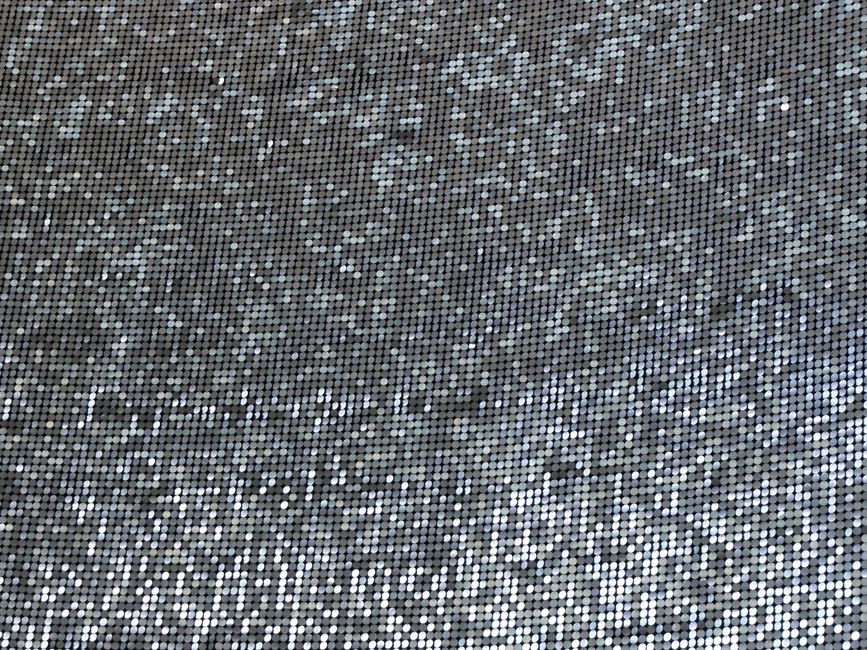
In an era defined by hyper-connectivity, the modern wardrobe is undergoing a radical transformation. As our reliance on smartphones, wearables, and cloud-based tracking grows, so does a burgeoning counter-movement: the digital detox. Fashion designers are responding to this shift by integrating advanced materials once reserved for military and aerospace applications into everyday apparel. At the heart of this trend is Faraday fabric, a specialized textile designed to block electromagnetic frequencies and radio signals. By incorporating these conductive meshes into linings, pockets, and outerwear, the fashion industry is offering consumers a tangible way to reclaim their privacy and disconnect from the digital noise, effectively turning personal style into a sophisticated form of personal security.
The Science of the Shield: Understanding Faraday Fabric
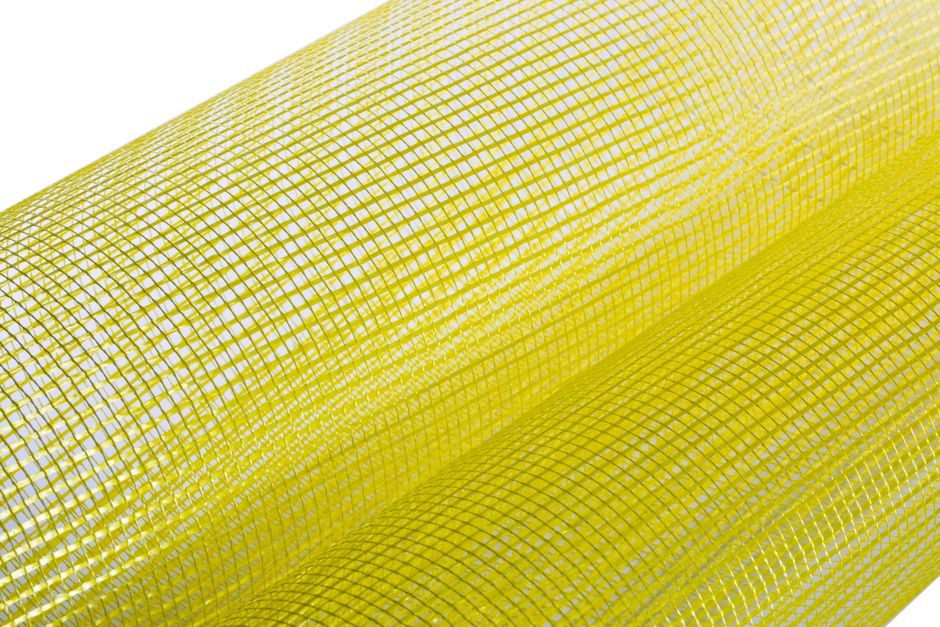
To understand why this technology is migrating from laboratories to the runway, one must first look at the mechanics of the material. Faraday fabric is engineered using highly conductive metals—typically silver, copper, or nickel—that are woven into a base textile. This construction creates a mesh that acts as a physical barrier to electromagnetic (EM) and radio frequency (RF) signals. When a device is encased in this material, it creates a Faraday cage, an enclosure that prevents external signals from reaching the device and vice versa.
What is Faraday fabric used for in modern fashion?
While the initial application of this technology was strictly industrial, fashion brands are now utilizing it to address the specific anxieties of the digital age. Currently, Faraday fabric is used for:
- Signal-blocking pockets: Integrated into jeans, blazers, and trench coats to ensure that when a phone is stowed, it is effectively offline and untrackable.
- Data-shielding accessories: Lining handbags and wallets to prevent unauthorized scanning of RFID-enabled credit cards and digital passports.
- Wellness-oriented outerwear: Creating hats and hoodies that offer a layer of protection against constant exposure to ubiquitous electromagnetic fields.
The Rise of the Digital Detox Trend

The integration of faraday technology into clothing is not merely a gimmick; it is a direct response to a cultural shift. The digital detox movement is driven by a complex mix of concerns, ranging from data privacy and location tracking to the psychological toll of constant connectivity. As consumers become more aware of how their data is harvested, the demand for off-grid functionality has moved from tech-enthusiast forums into the mainstream fashion market.
Designers are finding that the challenge lies in balancing the rigid, metallic nature of conductive textiles with the drape and comfort required for daily wear. High-end labels are now experimenting with fabric blends that retain the aesthetic appeal of premium cotton or wool while concealing a hidden layer of shielding. This allows for a wardrobe that is both stylish and functional, offering a sense of sanctuary in a world where we are otherwise constantly reachable.
Navigating the Market: Sourcing and Application
For those looking to integrate this technology into their own projects or seeking ready-to-wear options, the landscape can be overwhelming. Understanding the quality of the material is paramount to ensuring true signal attenuation. High-quality faraday fabric is defined by its ability to block a wide spectrum of frequencies, including cellular, Wi-Fi, and Bluetooth signals.
Sourcing Tips for Enthusiasts
If you are searching for a Faraday fabric roll to customize your own garments, there are several factors to consider. Avoid low-grade materials that may fray or lose their conductivity after a few washes. When searching for a Faraday fabric near me, look for specialized textile suppliers rather than generic hardware stores. While you might find a Faraday fabric on Amazon, it is critical to verify the shielding effectiveness ratings, often measured in decibels (dB), provided by the manufacturer.
| Material Type | Primary Use | Durability |
|---|---|---|
| Silver-plated nylon | High-end apparel linings | Moderate (requires careful laundering) |
| Copper-nickel-polyester | Industrial bags and heavy pockets | High |
| Conductive carbon mesh | Lightweight accessories | Moderate |
FAQ: Common Questions About Electromagnetic Protection
Does Faraday fabric actually work?
Yes, Faraday fabric works by creating a conductive enclosure that interrupts the flow of electromagnetic waves. When properly enclosed, the material prevents RF signals from penetrating the fabric, effectively blocking cellular, GPS, and Wi-Fi signals. Its efficacy depends on the quality of the material and the integrity of the seal around the device.
What fabric blocks EMF?
Fabrics that block EMF are typically composed of conductive metals like silver, copper, or nickel woven into a substrate. These materials are chosen for their high electrical conductivity, which allows them to redirect electromagnetic energy around the protected area rather than absorbing it.
Can Faraday fabric be sewn?
Yes, most Faraday fabrics can be sewn, though they require specific techniques. Because the material is conductive, it is often best to use non-conductive thread and ensure that the seams overlap significantly to maintain a continuous shield. Using standard sewing machines is generally possible, but care must be taken not to damage the delicate metallic mesh during the process.
Does EMP cloth really work?
EMP cloth, which is another term for high-grade Faraday fabric, is designed to protect electronics from the high-energy bursts associated with electromagnetic pulses. While it is highly effective at blocking everyday RF signals, its performance against a high-magnitude EMP depends heavily on the thickness of the material and the design of the enclosure, which must be completely sealed to be effective.
Conclusion: The Future of the Connected Wardrobe
The emergence of Faraday-shielded clothing represents a fascinating intersection of technology and personal agency. As we continue to navigate the complexities of a life lived online, the ability to choose when, where, and how we are connected is becoming a luxury. By embracing these protective materials, the fashion industry is providing consumers with the tools to balance the benefits of modern technology with the fundamental human need for privacy and downtime. Whether through a subtle pocket lining or a full-coverage accessory, the digital detox wardrobe is poised to remain a permanent fixture, proving that in a world of constant noise, sometimes the most stylish choice is the one that lets you go quiet.